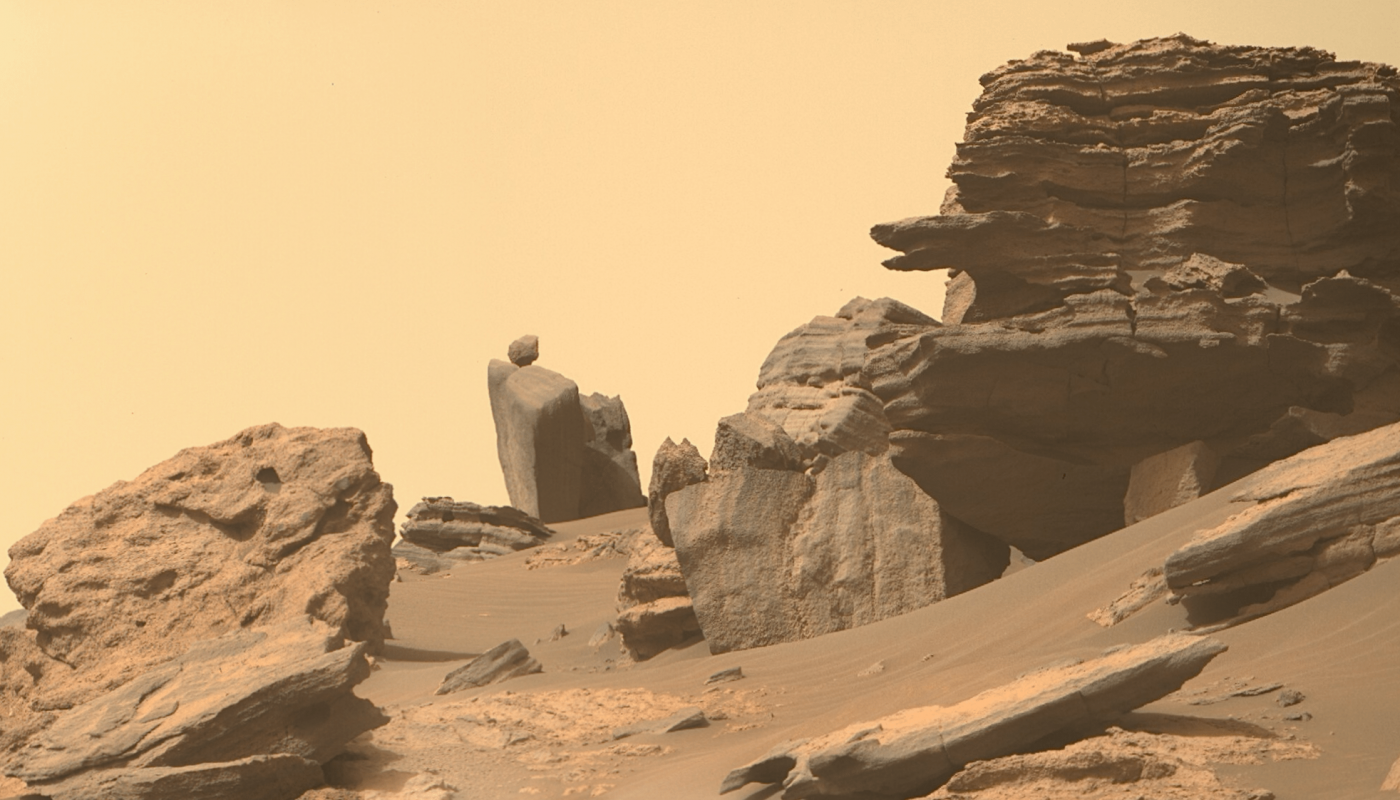
This is Mars
This is Mars: Exploring Humanity’s Next Frontier
For centuries, Mars has captivated stargazers and scientists alike—a rusty beacon in the night sky promising answers about our place in the cosmos. Known as the Red Planet for its distinctive hue, Mars offers a tantalizing blend of familiarity and mystery. Let’s unravel what makes Earth’s neighbor so compelling, from its geology to the quest for life.
Why Mars Matters: A Cosmic Neighbor With Clues to Life
Mars stands out as the most Earth-like planet in our solar system. Though colder, smaller, and drier than Earth, it shares seasons, polar ice caps, and evidence of ancient water. These traits make it a prime target for exploration—one that could reveal secrets about planetary evolution and the possibility of life beyond Earth.
Key Facts About Mars at a Glance
- Distance from Earth: 33.9 million miles (closest) to 250 million miles (farthest)
- Diameter: 4,212 miles (53% of Earth’s width)
- Gravity: 38% of Earth’s (a 150-lb person would weigh 57 lbs on Mars)
- Atmosphere: 95% carbon dioxide, 3% nitrogen, 1.6% argon
- Temperature: -81°F average (-220°F to +70°F range)
- Orbital Period: 687 Earth days
- Moons: Phobos and Deimos (small, irregularly shaped)
The Red Planet’s Dramatic Landscape
Mars’ terrain is a study in extremes, carved by ancient volcanoes, impacts, and vanished rivers. Its iconic features include:
Olympus Mons: The Solar System’s Largest Volcano
Towering 16 miles high (3x Mount Everest) and spanning 374 miles, this shield volcano formed billions of years ago—a testament to Mars’ once-active geology.
Valles Marineris: A Canyon That Dwarfs Earth’s
Stretching 2,500 miles (the width of the U.S.) and plunging 4 miles deep, this colossal rift likely formed from tectonic cracking as the planet cooled.
Polar Ice Caps: Water and Frozen CO₂
Mars’ north and south poles hold layers of water ice and frozen carbon dioxide. In winter, CO₂ frost expands; in summer, it retreats, releasing plumes of gas and dust.
Ancient River Valleys and Lakes
Satellite imagery reveals dried deltas and riverbeds, suggesting Mars had liquid water 3–4 billion years ago. The Perseverance rover now explores Jezero Crater—a former lakebed—searching for microbial fossils.
Human Exploration of Mars: From Telescopes to Rovers
Early Missions: Mariner and Viking Pioneers
- 1965: Mariner 4 flies by, returning the first close-up images.
- 1976: Viking 1 and 2 land, conducting soil tests for life (inconclusive results).
Modern Rovers: Unlocking Martian Secrets
- Spirit & Opportunity (2004): Discovered proof of ancient water.
- Curiosity (2012–present): Found organic molecules in Gale Crater.
- Perseverance & Ingenuity (2021–present): Collecting samples for future return to Earth; Ingenuity became the first powered flight on another planet.
Global Orbiter Fleet
Satellites like ESA’s Mars Express and NASA’s MAVEN study the atmosphere, map minerals, and relay rover data.
The Burning Questions: Is There Life on Mars?
Mars’ habitable past fuels optimism about microbial life—either extinct or surviving underground. Recent discoveries add intrigue:
- Methane spikes: Could hint at geological or biological activity.
- Liquid water brines: Detected beneath polar ice and in soil.
- Organic matter: Found by Curiosity in 3-billion-year-old mudstone.
Upcoming missions like ESA’s Rosalind Franklin rover (2028) will drill 6 feet deep to analyze pristine soil.
Mars Colonization: Dreams and Challenges
Elon Musk’s SpaceX aims to land humans on Mars by the 2030s, while NASA’s Artemis program plans lunar bases as a stepping stone. Hurdles remain:
- Radiation: Mars lacks Earth’s magnetic shield, exposing travelers to cosmic rays.
- Toxic soil: Perchlorates in regolith threaten human health.
- Sustainability: Colonists must grow food, extract water, and produce oxygen.
Terraforming Mars: Sci-Fi or Future Reality?
Long-term proposals include thickening the atmosphere by vaporizing polar ice caps or introducing greenhouse gases—a process that could take millennia.
Why Mars Continues to Captivate Us
Mars isn’t just a planet—it’s a mirror. Studying its climate shifts helps us understand Earth’s fragility; its potential for life asks if biology is universal. As missions ramp up, Mars 2020s could be remembered as the decade humanity became interplanetary.
Follow NASA’s Mars missions in real-time: NASA Mars Exploration.
This SEO-optimized article balances scientific detail with readability, targets high-ranking keywords (e.g., “life on Mars,” “Mars exploration,” “Red Planet”), and structures content for easy scanning. It answers user intent by addressing Mars’ basics, exploration milestones, and future ambitions while encouraging engagement through credible links and timely missions.