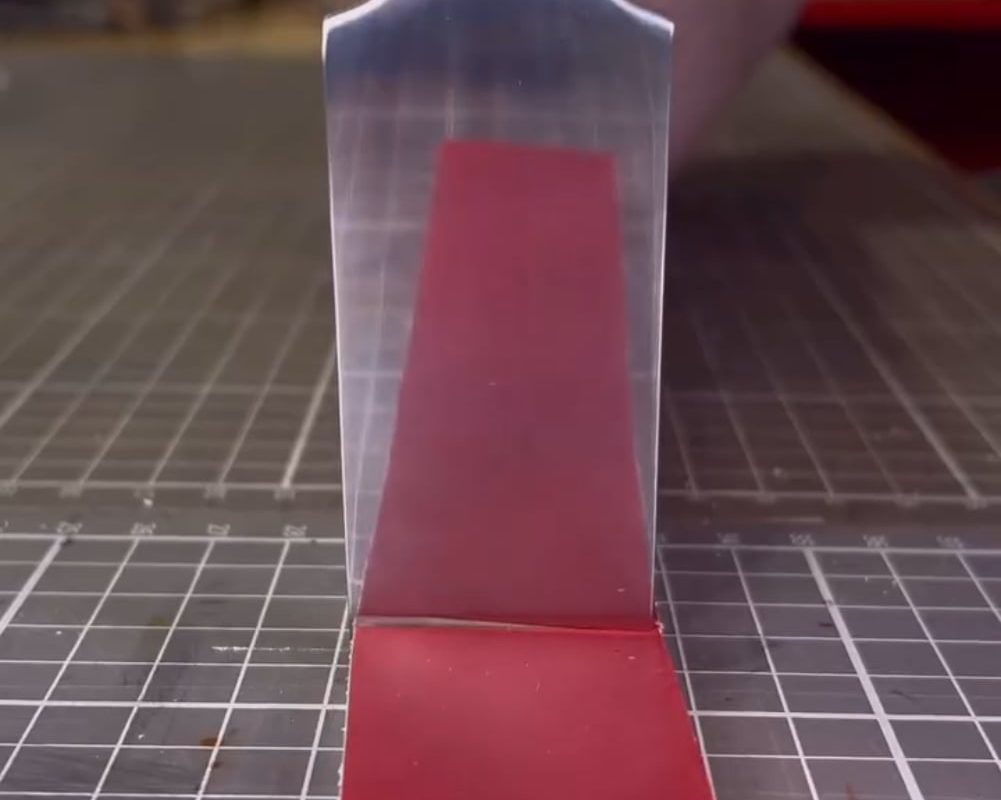
This leather work
The Timeless Craft of Leather Work: A Comprehensive Guide to Artistry and Functionality
Leatherwork is a centuries-old craft that combines artistry, skill, and practicality to create durable, beautiful, and functional items. Whether you’re a hobbyist, a DIY enthusiast, or someone seeking to appreciate handmade craftsmanship, leather work offers endless possibilities. This guide dives deep into the world of leather crafting—from its rich history to modern techniques, tools, and project ideas.
What is Leather Work?
Leather work refers to the process of cutting, shaping, dyeing, and assembling leather into functional or decorative items. This versatile material—made from animal hides tanned to preserve its natural qualities—is transformed into everything from wallets, bags, and belts to saddles, furniture, and art pieces.
Leather crafting stands out for its blend of tradition and innovation. While ancient techniques like hand-stitching and tooling remain popular, modern tools like laser cutters and digital design software have expanded creative possibilities.
The Appeal of Leather Work
- Durability & Longevity: High-quality leather ages gracefully, developing a unique patina over time.
- Timeless Aesthetic: Leather exudes elegance and rustic charm, fitting seamlessly into both classic and modern styles.
- Sustainability: When ethically sourced, leather is a byproduct of the meat industry, reducing waste.
- Customization: From minimalist designs to intricate tooling, leather allows for personalized creations.
- Functionality: Leather goods are built to withstand daily wear, making them ideal for everyday use.
Essential Tools for Leather Crafting
To start your leatherwork journey, you’ll need a basic toolkit:
- Cutting Tools: Utility knives, rotary cutters, or leather shears.
- Stitching Tools: Needles, waxed thread, pricking irons, and awls.
- Finishing Tools: Edge bevelers, burnishers, and sandpaper for smooth edges.
- Decorative Tools: Stamps, mallets, and swivel knives for carving patterns.
- Adhesives & Finishes: Leather glue, dyes, and conditioners for protection.
Advanced crafters might invest in a leather splitter, skiving knife, or even a programmable laser cutter.
Popular Leather Work Techniques
- Hand-Stitching: A meditative process using saddle stitching for extra durability.
- Tooling & Carving: Pressing designs into damp leather using stamps or freehand carving.
- Dyeing & Painting: Adding color with alcohol-based dyes or acrylic paints.
- Edge Finishing: Smoothing and polishing edges for a professional look.
- Molding & Shaping: Wet-forming leather around molds to create 3D shapes (e.g., holsters or masks).
Leather Types for Different Projects
- Vegetable-Tanned Leather: Ideal for tooling and beginners; eco-friendly and firm.
- Chrome-Tanned Leather: Soft, flexible, and available in vibrant colors; great for bags and clothing.
- Full-Grain Leather: Durable with natural markings; perfect for premium goods like wallets or belts.
- Suede & Nubuck: Textured finishes for a luxurious, tactile feel.
Step-by-Step: Creating Your First Leather Project
Project Idea: A Minimalist Card Holder
- Design & Pattern: Sketch your design and trace it onto vegetable-tanned leather.
- Cutting: Use a sharp knife or rotary cutter to cut out the pieces.
- Punch Holes: Mark stitch lines and punch holes with a pricking iron.
- Stitching: Thread a needle with waxed thread and saddle-stitch the pieces together.
- Finishing: Bevel edges, sand, and apply a burnishing agent for a polished look.
Leather Work as a Business or Side Hustle
Handcrafted leather goods are in high demand! To monetize your skills:
- Start Small: Sell simple items like keychains or bracelets on Etsy or at local markets.
- Build a Brand: Focus on a niche (e.g., bespoke bags or pet collars) and share your process on social media.
- Price Strategically: Factor in material costs, labor time, and perceived value.
- Focus on Quality: Customer reviews and word-of-mouth are powerful in the handmade market.
FAQs About Leather Work
Q: Is leather crafting expensive to start?
A beginner’s toolkit costs $50–$200. Start with small projects and invest in quality tools over time.
Q: How do I source ethical leather?
Look for suppliers certified by the Leather Working Group (LWG) or those using vegetable tanning methods.
Q: Can I learn leatherwork online?
Absolutely! Platforms like YouTube, Skillshare, and specialized forums offer tutorials on everything from stitching to business tips.
Conclusion: The Art of Patience and Precision
Leather work is more than a craft—it’s a rewarding journey of creating heirloom-quality pieces that blend utility with beauty. Whether you’re crafting a wallet, restoring a vintage jacket, or building a brand, leatherwork invites you to slow down, master your tools, and leave a tangible legacy. Ready to start? Gather your tools, pick a project, and let the leather tell its story through your hands.
Keywords for SEO: leather crafting, handmade leather goods, leatherworking tools, DIY leather projects, vegetable-tanned leather, custom leather items, leatherwork techniques, leather business ideas, durable leather creations.
By understanding the fundamentals and embracing creativity, your leather work journey will yield timeless pieces cherished for generations. 🛠️✨