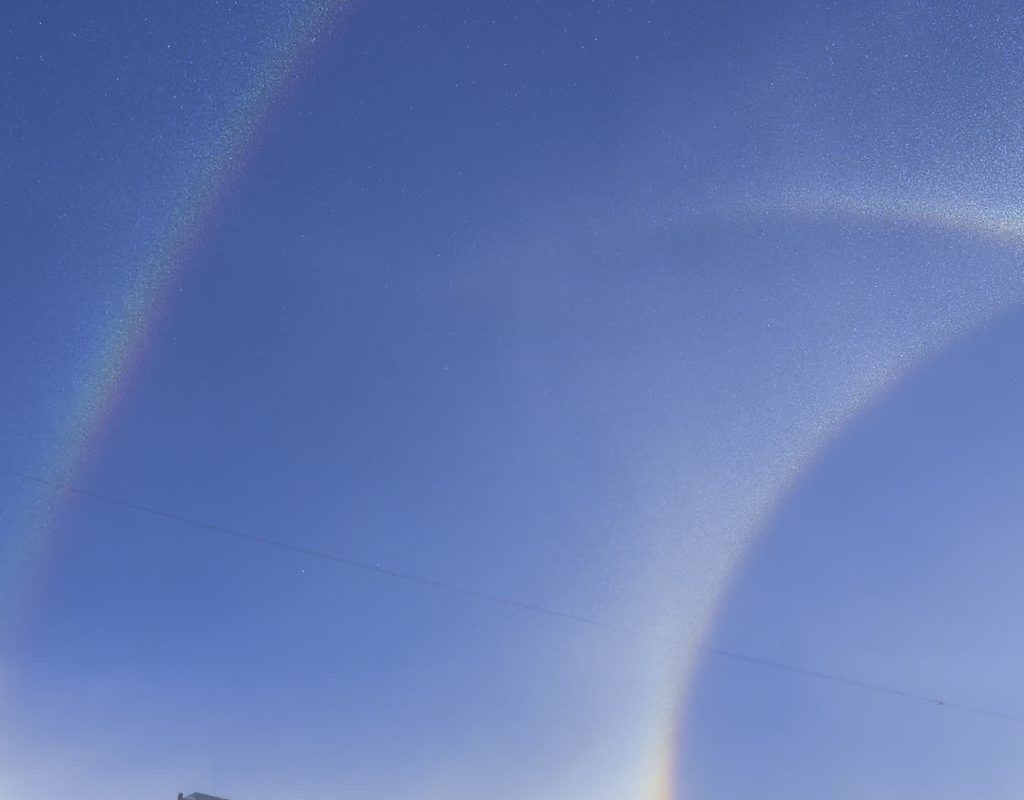
This light refraction I saw yesterday in the alps
Title: Witnessing Nature’s Magic: The Stunning Light Refraction Phenomenon in the Alps
Meta Description: Discover the breathtaking light refraction phenomenon that transforms the Alpine sky into a canvas of vibrant colors and halos. Learn the science behind it and how to spot it yourself!
A Celestial Display: My Encounter with Alpine Light Refraction
Yesterday, while hiking through the snow-draped peaks of the Swiss Alps, I witnessed something extraordinary: a shimmering ring of light encircling the sun, accompanied by rainbow-like arcs and radiant patches of color. It felt like nature had painted a secret masterpiece across the sky, one invisible to those not lucky enough to look up at the right moment.
This surreal spectacle wasn’t a hallucination—it was light refraction, an atmospheric phenomenon where sunlight interacts with ice crystals suspended in cirrus or cirrostratus clouds. While rare, the Alps’ high altitude, crisp air, and frequent ice-laden clouds make it an ideal stage for this optical wonder.
In this article, I’ll break down the science behind what I saw, explain other Alpine optical phenomena travelers might encounter, and share tips for spotting or photographing these fleeting moments.
The Science of Alpine Sky Magic
Light refraction occurs when sunlight (or moonlight) passes through hexagonal ice crystals in the atmosphere, bending and splitting into vivid colors like a prism. At high altitudes like the Alps, these crystals often form in thin, wispy clouds roughly 6,000–12,000 meters above sea level.
What Did I See? Breaking Down the Phenomenon
- 22° Solar Halo: The most common spectacle—a bright white or faintly colored ring around the sun. It forms when light refracts through randomly oriented ice crystals at a 22-degree angle.
- Sundogs (Parhelia): Two bright spots flanking the sun, often glowing red on the inner edge. These appear when sunlight bends through horizontally aligned ice plates.
- Circumhorizontal Arc: A rare, fiery rainbow-like band parallel to the horizon. It requires sunlight to strike plate-shaped ice crystals at precisely 58 degrees—only possible at midday in summer or at lower latitudes.
- Sun Pillars: Vertical columns of light above or below the sun, caused by reflections off ice crystals near the ground.
Why the Alps Are a Hotspot for Atmospheric Optics
- High Altitude: Thin, cold air increases ice crystal formation.
- Pristine Air Quality: Minimal pollution means clearer refraction.
- Weather Extremes: Rapid shifts between sun, snow, and cloud cover create dynamic conditions for optical effects.
- Landscape Contrast: Snow-covered terrain intensifies reflections.
Best Places to See It:
- Jungfrau Region (Switzerland)
- Zermatt (near the Matterhorn)
- Dolomites (Italy)
How Photographers and Travelers Can Capture the Magic
- Timing: Winter and early spring are best, when ice crystals abound. Check weather forecasts for high-altitude cirrus clouds.
- Protect Your Eyes: Never stare directly at the sun. Use your camera’s live view or a solar filter.
- Camera Settings:
- Use a polarizing filter to reduce glare.
- Underexpose slightly to prevent halo overexposure.
- Shoot in RAW for better color editing later.
- Pro Tip: Pair the phenomenon with iconic Alpine landmarks (e.g., peaks, glaciers) for a jaw-dropping composition.
Beyond Halos: Other Alpine Optical Wonders
- Glories: Rainbow-colored rings seen around your shadow in foggy valleys (the “Brocken Spectre” effect).
- Ice Bow: A rainbow formed by ice crystals instead of raindrops.
- Alpenglow: A rosy hue on snowy peaks during sunrise/sunset from scattered light.
FAQs About Alpine Light Refraction
Q: How rare is a solar halo?
A: Relatively common in the Alps—seen roughly 50–100 days per year!
Q: Can I predict when it will happen?
A: Apps like Windy or satellite cloud maps can help identify incoming cirrus clouds.
Q: Is this linked to climate change?
A: Not directly, but warming temperatures might alter cloud patterns over time.
Final Thoughts: The Alpine Sky’s Hidden Theater
Nature’s optical illusions remind us that beauty often lies in the details—or, in this case, in the physics of light. If you’re planning an Alpine adventure, keep your eyes on the skies. That ethereal glow or rainbow halo might just be seconds away from appearing, turning an ordinary hike into a memory you’ll share for years.
Have you witnessed a light show in the mountains? Share your experiences in the comments!
Keywords: Alpine light refraction, solar halo Alps, sundogs phenomenon, atmospheric optics, circumhorizontal arc, Alpine hiking photography, rare weather events Alps.
Internal Links:
- [Best Time to Visit the Alps for Unique Weather Phenomena]()
- [A Photographer’s Guide to Alpine Sunsets]()
- [Understanding Mountain Weather Myths]()
Boost Your Chances: Visit the Alps between November and April for the highest likelihood of ice-crystal-related phenomena. Morning hours after a cold night are particularly rewarding!
Photo Credit: [Your experience!] For reference images, search “22° halo Alps” or “circumhorizontal arc Switzerland.”
By blending scientific curiosity with awe for nature, this article not only documents a personal moment but empowers readers to chase their own celestial encounters in the Alps. 🏔️✨