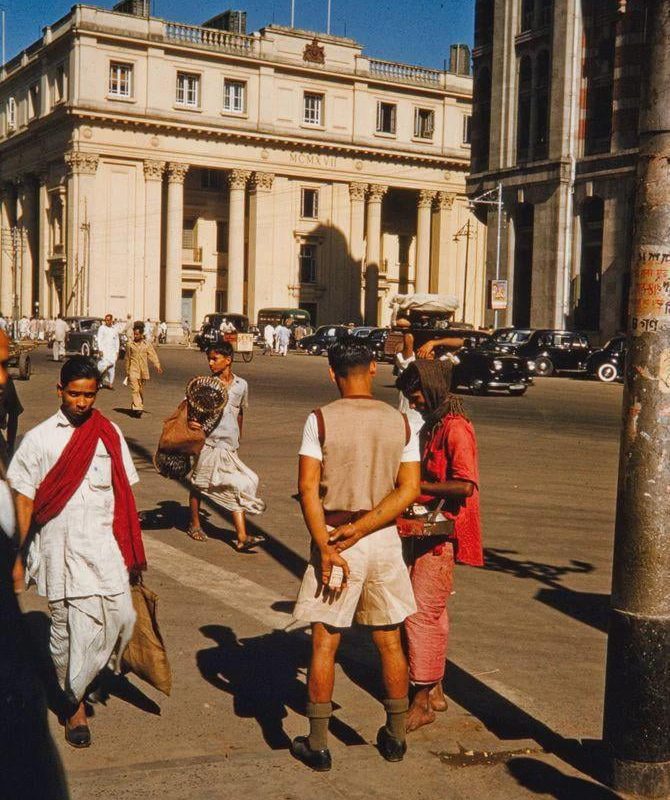
This old image of the former capital of India/British India
Meta Title: Exploring History: Rare Old Images of Calcutta – Former Capital of British India
Meta Description: Uncover the charm of vintage photographs capturing Calcutta (Kolkata), the former capital of British India. Learn about its landmarks, colonial legacy, and where to find these historical treasures.
Calcutta: A Glimpse into the Former Capital of British India Through Vintage Photographs
Before New Delhi emerged as India’s capital in 1911, Calcutta (now Kolkata) served as the epicenter of British imperialism in the subcontinent for over 140 years. Vintage photographs of this era offer a captivating window into the city’s grand architecture, bustling streets, and multicultural tapestry. In this article, we delve into the significance of these historical images and what they reveal about life in British India’s first capital.
Why Calcutta? The Rise of a Colonial Capital
The British East India Company established Calcutta as its headquarters in 1772, drawn by its strategic location along the Hooghly River. By the 1800s, it had blossomed into a vibrant colonial metropolis nicknamed the “City of Palaces” for its neoclassical buildings, wide avenues, and European-style gardens.
Key Symbols in Vintage Calcutta Photos
Old images of Calcutta often highlight landmarks that defined its imperial identity:
- Government House: The opulent residence of British viceroys, modeled after England’s Kedleston Hall.
- Victoria Memorial: A marble monument blending Mughal and British architecture (built post-1911 but a symbol of colonial memory).
- Writers’ Building: The administrative nerve center of British Bengal.
- Chowringhee Street: A bustling boulevard flanked by theaters, shops, and hotels.
 Caption: A 19th-century photograph of Government House, Calcutta. Source: British Library Archives.
Frozen in Time: What Old Photos Reveal
1. Colonial Grandeur Meets Local Life
Photographs from the late 1800s contrast British elites in horse-drawn carriages with street vendors, rickshaws, and traditional bazaars. This duality underscores Calcutta’s role as a melting pot of cultures.
2. Forgotten Landmarks
Images capture structures now lost to history, such as the original Howrah Pontoon Bridge (predecessor to the iconic Howrah Bridge) and Black Hole Memorial.
3. Pioneers Behind the Lens
Early photographers like Samuel Bourne (Bourne & Shepherd studio) and Felice Beato documented Calcutta’s transformation, blending artistry with documentation.
Where to Find These Historical Images
- British Library’s Online Archive: Houses thousands of digitized prints from the colonial era.
- Victoria Memorial Hall: Features an extensive collection of pre-independence photographs.
- Alamy and Getty Images: Search using keywords like “Old Calcutta” or “British India capital.”
Preserving Calcutta’s Visual Legacy
Many original photographs suffer from deterioration, prompting archives to prioritize digitization. Institutions like the Archaeological Survey of India (ASI) work to restore colonial-era buildings still standing in Kolkata today, such as St. Paul’s Cathedral and the Indian Museum.
Conclusion: Why These Images Matter
Old photographs of Calcutta are more than nostalgic relics—they’re critical tools for understanding India’s colonial history, urban evolution, and socio-cultural shifts. Whether you’re a history enthusiast, researcher, or traveler, these images invite you to walk the streets of a bygone era and reflect on the legacy of empire.
Explore Kolkata’s past firsthand: Visit the Victoria Memorial’s photo gallery or browse the British Library’s “India Office” collection online.
Keywords for SEO: Old images of Calcutta, British India capital photos, Vintage Kolkata photos, Calcutta during British rule, Historical photos of Bengal, Samuel Bourne photographs, Colonial India landmarks.
Internal Links (Optional):
- How the Capital Shifted from Calcutta to Delhi (1911)
- 10 Must-Visit Colonial-Era Buildings in Kolkata
Note: Replace placeholder image links with actual sources or embed free-to-use archival images from platforms like Wikimedia Commons.