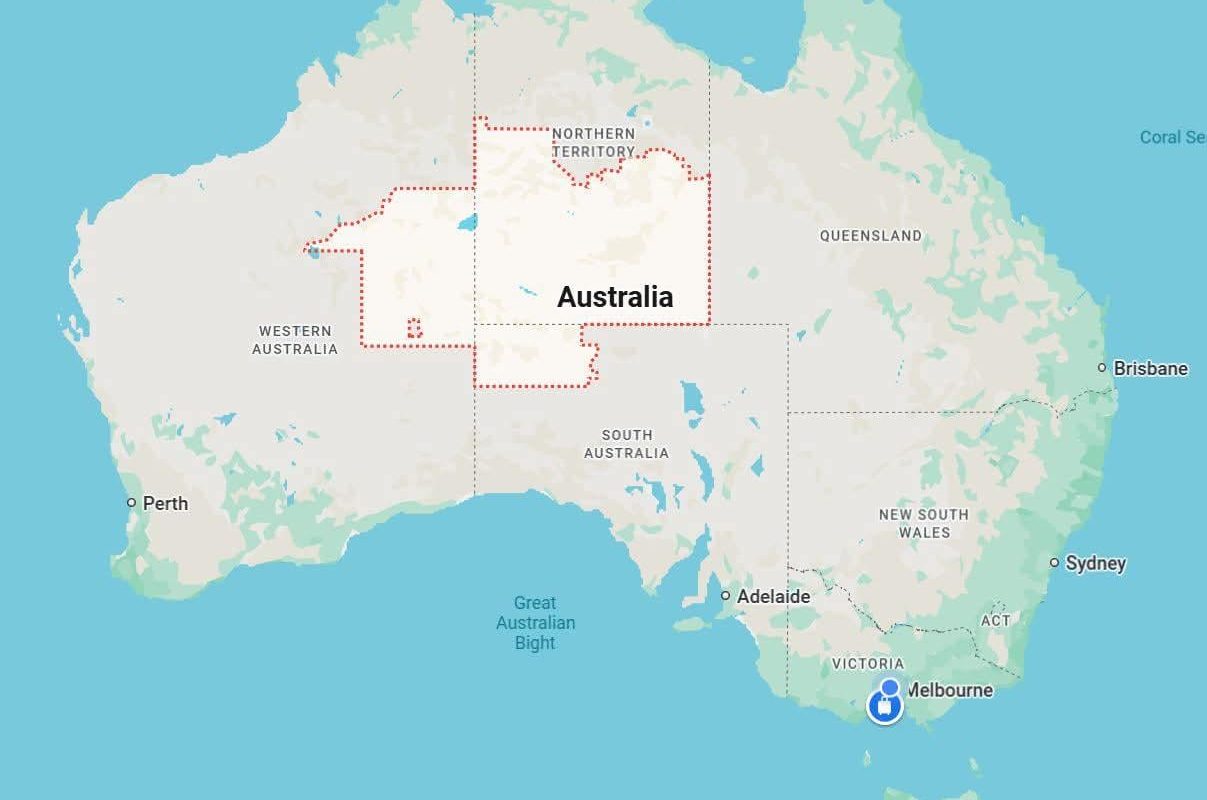
This post code in Australia
Unlocking the Mystery of Australian Postcodes: A Comprehensive Guide
Australia’s postcode system is a crucial part of daily life, ensuring efficient mail delivery, streamlining online shopping, and even influencing business operations. But what exactly are Australian postcodes, and how do they work? In this guide, we’ll break down everything you need to know about Australia’s unique four-digit coding system.
What Are Australian Postcodes?
Introduced in 1967 by Australia Post, postcodes are four-digit numbers assigned to specific geographic regions, suburbs, towns, or even individual organizations (like large businesses or government departments). They help postal services sort and deliver mail accurately. Unlike U.S. ZIP codes, Australian postcodes are numeric only and follow a state-based structure.
Australian Postcode Format & Structure
Australian postcodes follow a logical pattern based on location:
- First digit: Indicates the state or territory.
- Remaining digits: Refine the location (e.g., suburbs within a state).
Here’s how the first digit breaks down by region:
- New South Wales (NSW): 1000–2599, 2620–2899, 2921–2999
- Victoria (VIC): 3000–3999, 8000–8999
- Queensland (QLD): 4000–4999, 9000–9999
- South Australia (SA): 5000–5799
- Western Australia (WA): 6000–6797
- Tasmania (TAS): 7000–7999
- Northern Territory (NT): 0800–0999
- Australian Capital Territory (ACT): 0200–0299, 2600–2619, 2900–2920
Fun fact: The postcode 0000 doesn’t exist—it’s only used in fiction or testing!
Key Postcodes in Major Cities
- Sydney (NSW): Starts with 20 (e.g., Sydney CBD = 2000, Bondi = 2026)
- Melbourne (VIC): Starts with 30 (e.g., Melbourne CBD = 3000, Brunswick = 3056)
- Brisbane (QLD): Starts with 40 (e.g., Brisbane CBD = 4000, Fortitude Valley = 4006)
- Perth (WA): Starts with 60 (e.g., Perth CBD = 6000, Fremantle = 6160)
- Adelaide (SA): Starts with 50 (e.g., Adelaide CBD = 5000, Glenelg = 5045)
Special Postcodes & Exceptions
- PO Boxes: Use dedicated ranges like 0800–0999 in NT or 9000–9999 in QLD/VIC.
- Non-geographic codes: Some organizations have unique postcodes (e.g., 0909 for “Santa Mail”).
- Shared postcodes: Rural areas may share codes across multiple small towns (e.g., 4825 covers parts of remote QLD/NT).
Why Postcodes Matter
- Mail Delivery: Essential for accurate addressing.
- E-commerce & Shipping: Online retailers rely on them for delivery estimates and checkout forms.
- Data Analysis: Businesses use postcodes for market research, demographics, and logistics planning.
- Emergency Services: Quickly locate areas in emergencies.
How to Find an Australian Postcode
- Australia Post’s Online Tool: Use the official Postcode Finder.
- Search Engines: Type “suburb name + postcode” (e.g., “Manly NSW postcode”).
- Local Council Websites: Many list postcodes for their regions.
Common Postcode Mistakes to Avoid
- Typos: Swapping digits like 2077 (St Ives) vs. 2007 (Glebe).
- Overlooking Territories: Confusing ACT (e.g., 2600) with NSW codes.
- Ignoring PO Box Codes: Using a street postcode for a PO Box address.
Conclusion
Australian postcodes are more than just numbers—they’re the backbone of the country’s logistics, commerce, and communication. Whether you’re sending a letter, ordering a package, or analyzing regional trends, understanding how postcodes work ensures accuracy and efficiency. Bookmark Australia Post’s official postcode search tool for quick reference, and double-check codes when addressing mail to avoid delays!
Pro Tip: Always include the state abbreviation (e.g., NSW, VIC) alongside the postcode for maximum clarity (e.g., Sydney NSW 2000).
Need to find a postcode? Visit Australia Post’s Postcode Finder now!
Keywords: Australia postcode list, Australian postal codes, find postcode Australia, NSW postcodes, Melbourne postcode, Brisbane zip code, Australia Post, how postcodes work in Australia.