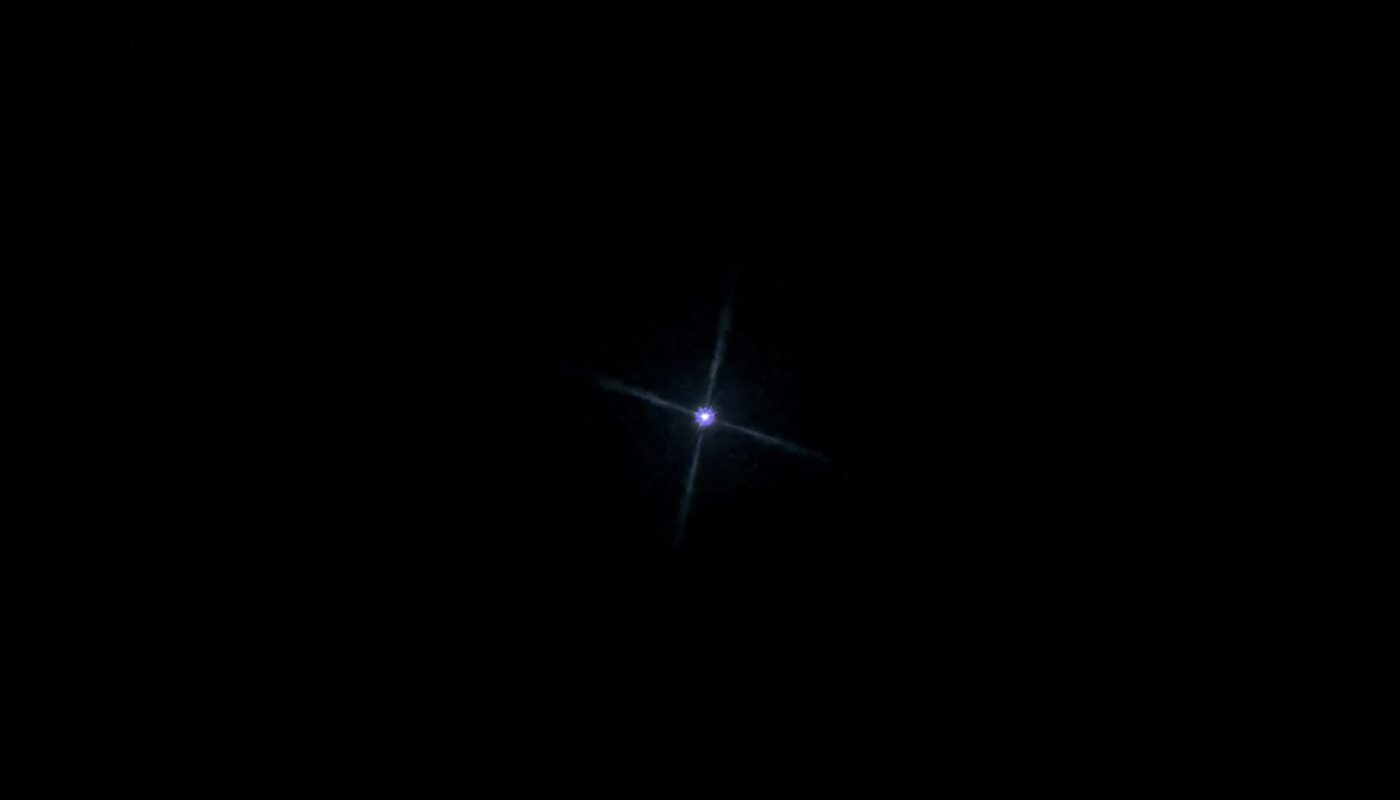
This Star Known As “Sirius” Is The Brightest In Our Night Sky.
Title: Sirius: The Brightest Star in the Night Sky – Your Complete Guide
Meta Description: Discover Sirius, the brightest star in Earth’s night sky. Explore its history, science, mythology, and how to spot this celestial wonder.
Introduction: The Luminous Beacon of the Night
When you gaze up at the night sky, one star consistently outshines all others: Sirius. Known as the “Dog Star” or the “Scorching One,” Sirius has fascinated astronomers, navigators, and storytellers for millennia. But what makes this star so brilliantly visible? Why does it hold such cultural significance? In this guide, we’ll uncover the science, mythology, and practical tips for observing the brightest star in our sky.
What Is Sirius?
Sirius (Alpha Canis Majoris) is the primary star in the constellation Canis Major (the “Greater Dog”). It dominates the winter sky in the Northern Hemisphere and is visible from nearly every inhabited region on Earth. Here’s what makes it extraordinary:
-
Apparent Magnitude: –1.46
Sirius shines brighter than any other star in our sky due to its combination of intrinsic luminosity and proximity to Earth. It’s located just 8.6 light-years away, making it one of our closest stellar neighbors. -
A Binary Star System
Sirius isn’t one star—it’s two! The dazzling star we see (Sirius A) is a blue-white main-sequence star roughly twice the size of the Sun. It’s orbited by a faint white dwarf companion, Sirius B, nicknamed “the Pup.” -
Why So Bright?
Sirius A’s surface temperature (~9,940°C) and massive energy output (25 times more luminous than the Sun) contribute to its brilliance.
Sirius in History & Mythology
Across cultures, Sirius has been a celestial landmark and a source of myth:
- Ancient Egypt: The heliacal rising of Sirius (just before sunrise) marked the annual flooding of the Nile, a vital event for agriculture. Egyptians linked it to the goddess Sopdet (Isis).
- Greek & Roman Lore: The star’s association with summer’s “dog days” stems from the belief that its appearance alongside the Sun intensified summer heat.
- Indigenous Astronomy: Polynesian navigators used Sirius to guide voyages, while Aboriginal Australians incorporated it into Dreamtime stories.
How to Find Sirius in the Night Sky
Spotting Sirius is easy with these tips:
-
Look South (Northern Hemisphere):
- Best visible from December to March.
- Find Orion’s Belt, then draw an imaginary line southeast to locate Sirius.
-
Southern Hemisphere:
- Sirius appears higher in the sky year-round.
- Part of the “Winter Triangle” with Betelgeuse and Procyon.
-
Tools:
- Apps like SkyView or Stellarium can pinpoint Sirius.
Sirius vs. Other Bright Stars
Though Sirius dominates Earth’s sky, it’s not the universe’s brightest star:
| Star | Distance (Light-Years) | Apparent Magnitude |
|---|---|---|
| Sirius | 8.6 | –1.46 (brightest) |
| Canopus | 310 | –0.74 |
| Alpha Centauri | 4.3 | –0.27 |
Note: Apparent magnitude measures brightness as seen from Earth.
Modern Science & Sirius Mysteries
Recent studies reveal fascinating quirks:
- Sirius B: This white dwarf’s density is mind-boggling—a teaspoon of its material weighs 5 tons!
- Cosmic “Twinkle”: Low-hanging Sirius often flickers dramatically due to atmospheric turbulence.
- Alien Speculation? Some fringe theories link Sirius to ancient astronaut myths, though astronomers dismiss these claims.
Observing Sirius: Tips for Stargazers
- Best Time: Winter evenings (Northern Hemisphere).
- Equipment: Binoculars reveal Sirius B under dark skies, while telescopes resolve its bluish hue.
- Fun Fact: Sirius is part of the Canis Major Overdensity, a disputed stellar stream that may be a remnant of a dwarf galaxy!
FAQs About Sirius
Q: Is Sirius the largest star?
A: No—it’s much smaller than giants like Betelgeuse. Its brightness stems from proximity and energy output.
Q: Why is Sirius called the Dog Star?
A: It lies in Canis Major, Orion’s hunting dog in Greek mythology.
Q: Can I see Sirius from a city?
A: Yes! Even in moderate light pollution, it’s unmistakable.
Conclusion: A Star That Connects Humanity
From ancient myth to cutting-edge astrophysics, Sirius bridges human curiosity across time and cultures. Whether you’re a casual stargazer or an astronomy enthusiast, spotting this radiant jewel is a reminder of our shared place in the cosmos. Next time you’re outside on a clear winter night, let Sirius guide your eyes—and imagination—toward the stars.
Call to Action:
Ready to explore? Grab a star map, step outside, and let Sirius be your cosmic anchor tonight!
Image Alt Text Suggestion: “Sirius, the brightest star in Earth’s night sky, shining in the constellation Canis Major.”
Keywords: Sirius star, brightest star in night sky, Dog Star, Canis Major constellation, how to find Sirius, Sirius A and B, winter stars.