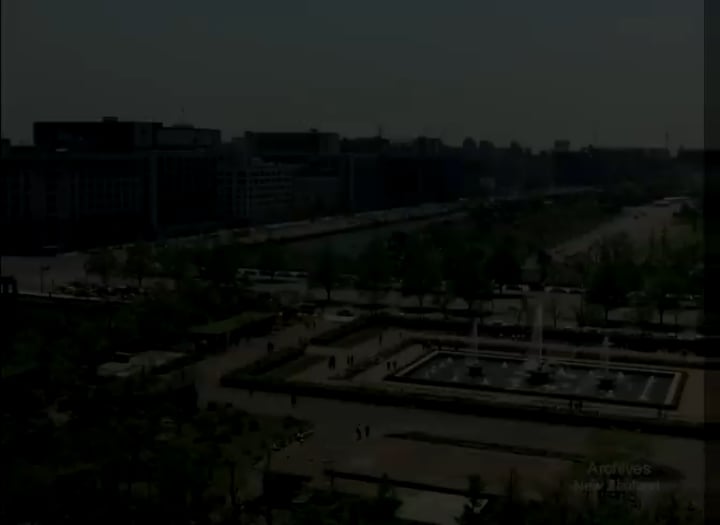
Tokyo in 1965
Meta Title:
Tokyo in 1965: A Post-Olympic Metropolis at the Dawn of Modern Japan
Meta Description:
Dive into Tokyo in 1965 – a pivotal year of economic resurgence, cultural evolution, and urban transformation after the 1964 Olympics. Discover daily life, iconic trends, and lasting legacies.
Tokyo in 1965: The Dawn of a Modern Metropolis
The year 1965 marked a turning point for Tokyo. Fresh off hosting the wildly successful 1964 Summer Olympics, Japan’s capital was riding a wave of optimism, rapid modernization, and economic energy. As the nation entered Year 20 of the Showa era, Tokyo in 1965 was a city embracing its future while grappling with the growing pains of progress.
The Economic Landscape: Japan’s “Miracle” in Motion
In 1965, Japan was midway through its famed “Economic Miracle,” with Tokyo at its epicenter. The Olympics had accelerated infrastructure projects, and by 1965, the city was reaping the rewards:
- Industrial Surge: Manufacturing giants like Sony, Panasonic, and Toyota drove exports, while the chemical and steel industries flourished. Tokyo’s factories hummed with activity, fueling a 9% GDP growth rate.
- Corporate Boom: Salaryman culture solidified as white-collar workers flocked to offices in Marunouchi and Shinjuku. Lifetime employment became the gold standard.
- Stock Market Turbulence: The “1965 Securities Crisis” saw stock prices plummet, leading to government bailouts for brokerages – a rare stumble in Japan’s ascendant economy.
Urban Revolution: Building the Future
Post-Olympics, Tokyo’s skyline was a forest of cranes. Key developments shaped the city:
- Transportation Leap: The Tokaido Shinkansen (bullet train), launched in 1964, connected Tokyo to Osaka in 4 hours, revolutionizing travel. Subway lines expanded, and the Metropolitan Expressway’s first sections opened, though traffic jams quickly became legendary.
- Housing Challenges: As rural migrants sought jobs, cramped danchi (public apartments) sprawled on the city’s outskirts. The average Tokyo resident lived in just 180 sq ft of space.
- Architectural Icons: The 36-story Kasumigaseki Building – Japan’s first “skyscraper” – rose in 1965, foreshadowing the vertical city to come.
Cultural Crossroads: Tradition Meets Trend
Tokyo’s streets buzzed with a thrilling cultural duality:
- Western Influences: Beatles-mania swept youth culture; miniskirts flooded Ginza boutiques, and jazz cafes (jazu kissa) thrived in Shinjuku.
- Homegrown Hits: Peko-chan (the mascot for Fujiya sweets) debuted in 1964, becoming a pop icon. TV ownership exploded, with hit shows like Ultra Q (precursor to Ultraman) captivating families.
- Traditional Threads: Despite modern trends, festivals like Sanja Matsuri drew crowds to Sensō-ji Temple, and sumo tournaments packed the Kuramae Kokugikan arena.
Daily Life: The Tokyoite Experience
For ordinary residents, Tokyo in 1965 blended hardship and hope:
- Work & Leisure: Salarymen commuted via packed trains to offices offering shūshin koyō (lifetime jobs). Evenings meant izakayas or pachinko parlors.
- Culinary Shifts: Street stalls sold ramen for ¥100, while instant coffee and canned beer gained popularity. Yōshoku (Western-style dishes) like curry rice became staples.
- Fashion: Young women wore kawaii Mary Janes and A-line dresses; men sported slim suits inspired by French nouvelle vague cinema.
Political & Social Undercurrents
Beneath the glitter, tensions simmered:
- Student Activism: Protests against the Vietnam War and the Japan-U.S. Security Treaty grew, foreshadowing the 1968–69 campus riots.
- Labor Movements: Unions demanded better wages, leading to strikes at major firms like Toshiba.
- International Stage: Japan joined the GATT and OECD in 1964–65, signaling its return to global prominence.
Legacy of 1965: Seeds of a Global City
Tokyo’s trajectory in 1965 set the stage for its future as a megacity:
- The Olympics’ infrastructure investments made tourism a pillar of the economy.
- Corporate growth paved the way for Japan Inc.’s global dominance in the 1980s.
- Cultural openness positioned Tokyo as Asia’s trendsetting capital.
FAQs About Tokyo in 1965
Q: How did the 1964 Olympics impact Tokyo in 1965?
A: The Olympics left a legacy of modern highways, the bullet train, and international visibility, fueling economic confidence and urban expansion.
Q: What was Tokyo’s population in 1965?
A: Tokyo’s population reached ~10.9 million, with explosive growth in suburbs like Saitama and Chiba.
Q: Were there environmental issues in 1965 Tokyo?
A: Yes! Air pollution from factories and traffic was severe, sparking early environmental awareness.
Q: What music was popular in Tokyo in 1965?
A: Japanese bands like The Spiders covered British rock, while enka (traditional ballads) still dominated radio waves.
Conclusion: The Year Tokyo Accelerated
Tokyo in 1965 was a city in flux – caught between tradition and modernity, hardship and prosperity. As scaffolding rose around future landmarks and jazz drifted from basement clubs, the metropolis was forging an identity that would define it for decades: dynamic, resilient, and relentlessly forward-looking. For history buffs and urban dreamers alike, 1965 remains a captivating window into the soul of modern Tokyo.
Target Keywords: Tokyo in 1965, 1960s Tokyo, post-Olympics Tokyo, Showa era Japan, Tokyo economic miracle, 1965 Japan history.
Optimization Tips:
- Use high-quality images: Showa-era street scenes, bullet train launches, 1965 fashion, and infrastructure maps.
- Internal links to related topics (e.g., “1964 Tokyo Olympics,” “Showa Era Culture”).
- Local SEO: Mention specific districts (Ginza, Shinjuku) for geographic relevance.