Tom & Jerry sfx
Title: The Iconic Sound Effects of Tom & Jerry: A Cartoon Symphony of Slapstick
Meta Description: Explore the legendary sound effects of Tom & Jerry—the whistles, crashes, and boings that made the classic cartoon unforgettable. Discover their history, creators, and cultural legacy.
Introduction: The Soundtrack of Chaos
For over eight decades, Tom & Jerry has delighted audiences with its madcap chases, explosive gags, and silent-film-inspired physical comedy. But the true magic of these cartoon shorts lies not just in the visual humor—it’s in the brilliantly exaggerated sound effects (SFX) that punctuate every slapstick moment. From crashing pianos to ricocheting bullets, the SFX transform simple animations into a riotous symphony. This article dives into the artistry, history, and enduring appeal of Tom & Jerry’s iconic soundscape.
Why Tom & Jerry’s Sound Effects Are Legendary
Unlike modern cartoons, Tom & Jerry relied heavily on creative sound design to enhance its non-verbal storytelling. Each episode is a masterclass in audio exaggeration:
- Humanizing Objects: Everyday items—brooms, teapots, anvils—”come alive” through quirky sounds, making inanimate objects feel like characters.
- Rhythmic Timing: SFX sync perfectly with animation, turning collisions and chases into rhythmic dances (e.g., drumrolls for tip-toeing scenes).
- Emotional Amplifiers: High-pitched whistles signify panic, deep booms emphasize pain, and harp glissandos romanticize momentary wins.
The Architects of the Mayhem: Who Created the Sounds?
The SFX genius behind Tom & Jerry stemmed from MGM’s animation golden age:
- William Hanna and Joseph Barbera: The show’s creators prioritized sound as central to comedy, collaborating closely with sound engineers.
- Scott Bradley: Composer of the show’s orchestral scores, which often intertwined with SFX for dramatic effect (e.g., violins screeching during falls).
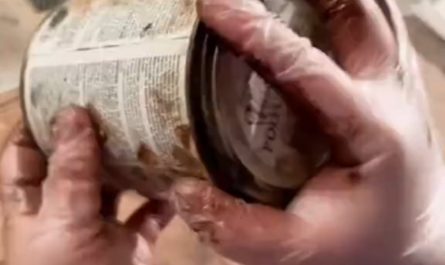
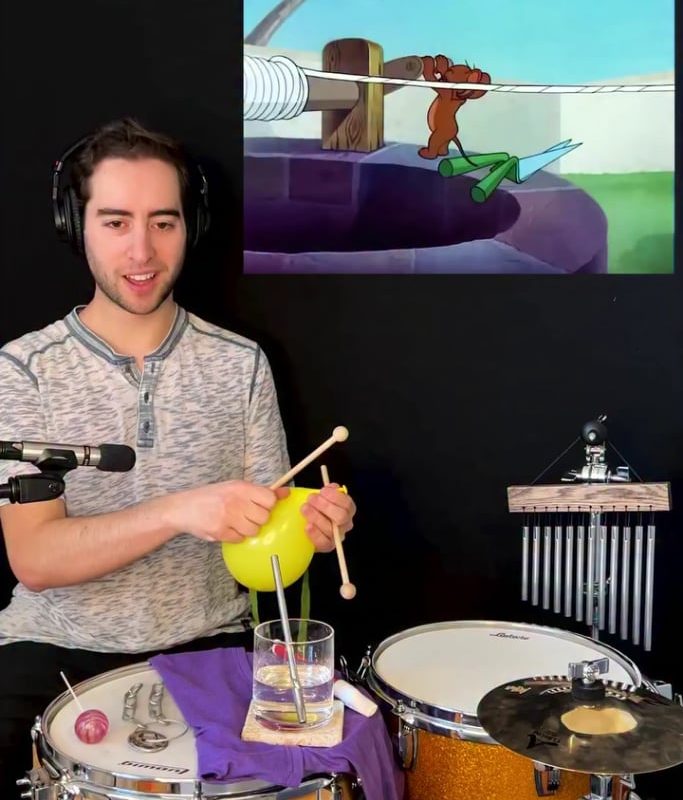
- Uncredited Sound Wizards: Early technicians used Foley artistry (real-world objects) to craft sounds:
- Slide whistles for rapid motion.
- Shattering glass recordings for breakaway gags.
- Banging pots/pans to mimic punches or crashes.
10 Most Memorable Tom & Jerry SFX (And How They Were Made)
-
The Slide Whistle
- Purpose: Signals rapid movements (catapults, failed jumps).
- Real-World Origin: Literally a slide whistle instrument.
-
Tom’s Piercing Scream
- Sample: A distorted human yell, pitch-shifted higher for comic effect.
-
Anvil or Piano Crash
- Foley Trick: Dropping heavy metal sheets paired with bass drum booms.
-
Boiiing! (Spring Sound)
- Instrument: A jaw harp or flexatone mimicked stretching/rubber effects.
-
Wood Chops/Crushes
- Method: Crushing celery or snapping wood planks.
-
Ricochet Bullets
- Classic SFX: A rapid “pew-pew” whistle layered with gunshot echoes.
-
Harp Glissando
- Usage: Dream sequences or Jerry’s angelic victories.
-
Tom’s “Gulp!”
- Voice Actor: Often credited to William Hanna himself.
-
Shattering Glass
- Classic Recording: Rarely real glass—usually tin sheets or broken lightbulbs.
-
Drumrolls & Cymbal Crashes
- Why It Works: Builds tension before explosive punchlines.
Cultural Impact: How Tom & Jerry SFX Shaped Animation
- Inspired Generations: The sounds became shorthand for slapstick across media (e.g., Looney Tunes, The Simpsons).
- Nostalgia Factor: Millennials and Gen Z recognize these SFX instantly, even in memes or TikTok remixes.
- Academic Interest: Used in film schools to teach Foley techniques and comedic timing.
Behind the Scenes: Challenges of Pre-Digital SFX
Creating these sounds in the 1940s–1950s required ingenuity:
- Limited Tech: No digital libraries—every sound was recorded live.
- Layering: Engineers mixed multiple sounds (e.g., a yowl + crash + cymbal) for complex gags.
- Sync Perfection: Animators had to match movements frame-by-frame with SFX—a painstaking process!
Tom & Jerry SFX in the Digital Age
While modern cartoons use digital tools, Tom & Jerry’s classic SFX remain timeless:
- Sound Libraries: Websites like SoundSnap or Freesound host iconic samples.
- Pop Culture Revivals:
- Movies like Space Jam and Ready Player One pay homage.
- DJs/Producers sample Tom & Jerry SFX in tracks for retro flair.
Conclusion: The Eternal Symphony of Slapstick
The sound effects of Tom & Jerry are more than nostalgic relics—they’re foundational pillars of cartoon storytelling. By turning violence into poetry and chaos into comedy, these SFX prove that sound is half the animation. As Tom chases Jerry into eternity, their whistles, crashes, and boings continue to echo across generations, reminding us that sometimes, laughter needs no words.
FAQ Section
Q: Who voiced Tom and Jerry’s screams?
A: Voice artist William Hanna provided most whimpers, yelps, and laughs for both characters.
Q: Are the original sound effects copyrighted?
A: Yes, but many SFX are now in public domain or cleared for fair use in parodies.
Q: Can I download Tom & Jerry sound clips?
A: Yes! Check archive sites like Internet Archive or YouTube compilations (ensure fair use).
Q: Did other cartoons copy these sounds?
A: Absolutely—shows like Looney Tunes and Scooby-Doo used similar Foley techniques.
Target Keywords:
- Tom and Jerry sound effects
- Classic cartoon SFX
- Foley art in animation
- How Tom & Jerry sounds were made
- Iconic cartoon sound effects
Optimize your content with internal links (e.g., “History of Foley Art”) and high-authority backlinks (e.g., Warner Bros. animation archives). Pair with GIFs/videos demonstrating SFX moments for engagement!