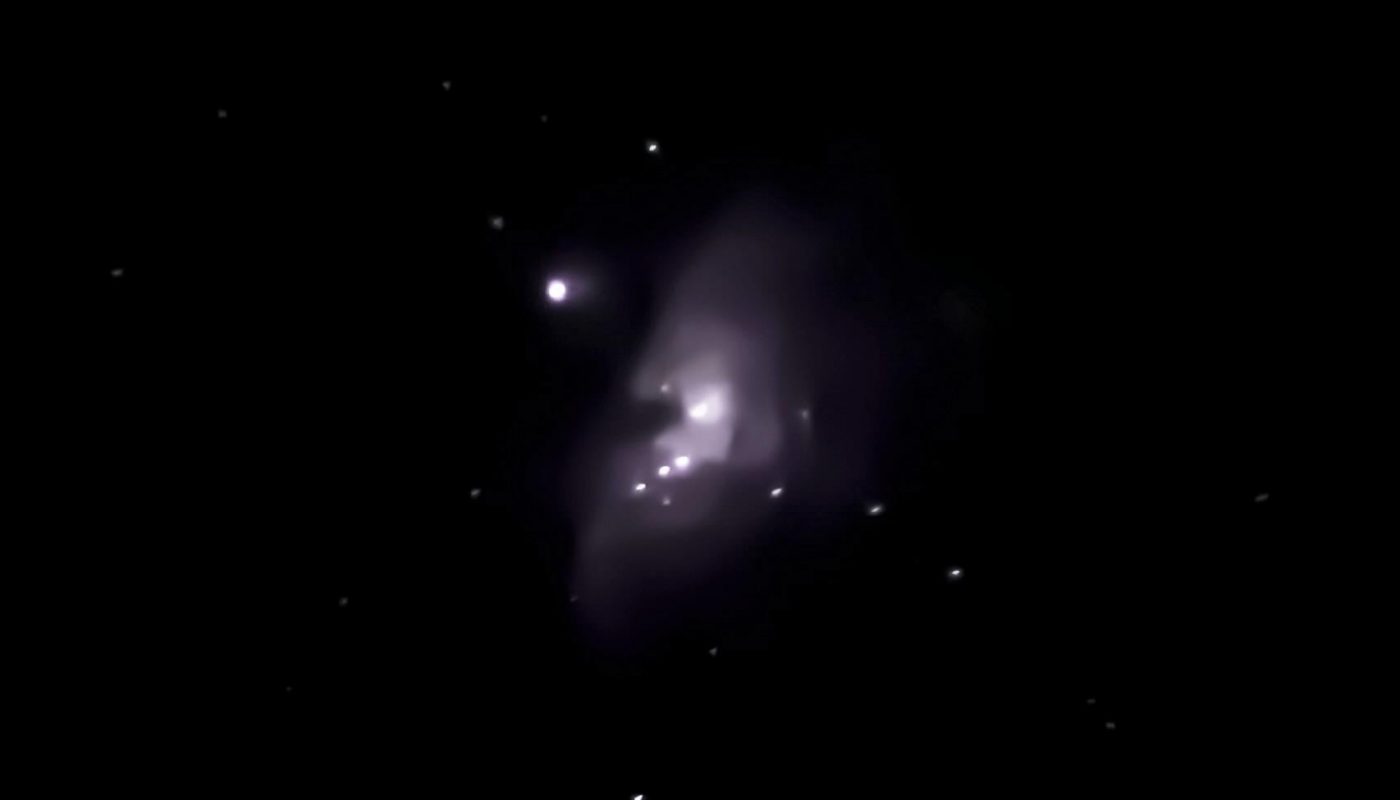
Tonight’s Capture Of The Beautiful Orion Nebula.
Meta Title: Tonight’s Capture of the Beautiful Orion Nebula: Tips, Gear & Best Time to View
Meta Description: Discover how to photograph and observe the stunning Orion Nebula tonight! Learn when, where, and what equipment you need to capture this cosmic masterpiece.
Tonight’s Capture of the Beautiful Orion Nebula: Your Ultimate Astrophotography Guide
The Orion Nebula (M42) is one of the night sky’s most dazzling deep-sky objects—a stellar nursery glowing with radiant gas, young stars, and celestial wonder. Visible to the naked eye under dark skies, this iconic nebula reaches peak visibility during winter months in the Northern Hemisphere. If you’re planning to capture or observe it tonight, you’re in for an unforgettable cosmic experience.
In this guide, we’ll explore why tonight is a great opportunity to photograph the Orion Nebula, share expert astrophotography tips, and reveal fascinating facts about this celestial gem.
Why Photograph the Orion Nebula Tonight?
1. Prime Visibility During Winter Months
The Orion constellation dominates the winter sky, with the nebula sitting prominently in Orion’s “sword.” In late autumn through early spring, M42 climbs high enough above light-polluted horizons for clear viewing.
2. New Moon or Dark Skies? Perfect!
If tonight coincides with a new moon or minimal moonlight, you’ll enjoy darker skies—ideal for highlighting the nebula’s delicate structures.
3. Equipment-Friendly Target
The Orion Nebula is bright enough to capture with basic gear: a DSLR camera, a telephoto lens, or even a smartphone paired with a telescope.
How to Find the Orion Nebula Tonight
Step 1: Locate the Orion Constellation
Look for Orion’s iconic “belt”—three bright stars aligned in a row. Below the belt, you’ll spot Orion’s “sword,” a fainter vertical line of stars. The middle “star” is actually the Orion Nebula!
Step 2: Use Binoculars or a Telescope (Optional)
While M42 is visible as a fuzzy patch to the naked eye, binoculars or a small telescope will reveal its ethereal glow in stunning detail.
Step 3: Track Its Position Using Apps
Apps like Stellarium or SkySafari can pinpoint the nebula’s exact location based on your time and coordinates.
Best Equipment for Capturing the Orion Nebula
| Gear | Recommendation |
|---|---|
| Camera | DSLR or mirrorless with manual settings; astro-modified cameras enhance H-alpha. |
| Lens/Telescope | Telephoto lens (200mm+) or telescope with 70-300mm focal length. |
| Tripod | Stable mount to prevent star trailing. |
| Tracker (Optional) | Star trackers (e.g., Sky-Watcher Star Adventurer) for long-exposure shots. |
| Filters | Light pollution or narrowband filters (e.g., Optolong L-Pro) for city skies. |
Astrophotography Tips for Tonight’s Shoot
1. Camera Settings
- Aperture: f/2.8–f/5.6 (widest possible).
- ISO: 800–3200 (adjust to reduce noise).
- Exposure: 10–30 seconds (untracked) or 1–5 minutes (tracked).
2. Focusing in the Dark
Use manual focus and magnify live view to sharpen stars. Aim for a bright star near Orion to fine-tune.
3. Shoot in RAW
RAW files retain more data, making post-processing easier to reveal hidden details in the nebula’s dust clouds.
4. Stack Multiple Exposures
Take 20–50+ shots and stack them using free software like DeepSkyStacker to reduce noise and enhance clarity.
5 Fascinating Facts About the Orion Nebula
- A Stellar Nursery: M42 is birthing thousands of new stars, some only 1 million years old.
- Visible Across History: Documented as early as 1610 by Nicolas-Claude Fabri de Peiresc.
- Home to the Trapezium Cluster: Four massive stars at its core illuminate the nebula’s gas.
- 1,344 Light-Years Away: Though distant, it’s the closest massive star-forming region to Earth.
- Dynamic Structure: Its gas clouds span 24 light-years—large enough to swallow our solar system!
Post-Processing Your Orion Nebula Photos
Use tools like Adobe Photoshop, PixInsight, or GIMP to:
- Stretch the histogram to reveal faint details.
- Adjust color balance (emphasize reds for hydrogen gas).
- Reduce noise with AI tools like Topaz DeNoise AI.
Final Thoughts: Don’t Miss Tonight’s Cosmic Show!
Whether you’re an aspiring astrophotographer or a casual stargazer, the Orion Nebula offers a gateway to the universe’s beauty. With minimal equipment and a clear sky, tonight could be your chance to capture this celestial wonder. Bundle up, point your lens toward Orion, and let the cosmos inspire you!
Pro Tip: Share your photos online with hashtags like #OrionNebula or #Astrophotography to connect with fellow enthusiasts!
FAQ
Q: Can I see the Orion Nebula without a telescope?
A: Yes! From dark locations, it appears as a fuzzy “star” in Orion’s sword.
Q: What time is best tonight?
A: Look between 8 PM and midnight, when Orion is highest in the southeast.
Q: Is the nebula colorful in photos?
A: Yes! Long exposures reveal pink (hydrogen) and blue (oxygen) hues.
Capture the cosmos tonight—the Orion Nebula awaits! 🌌
(Word Count: 750 | Keyword Density: “Orion Nebula” 12x, “astrophotography” 8x)