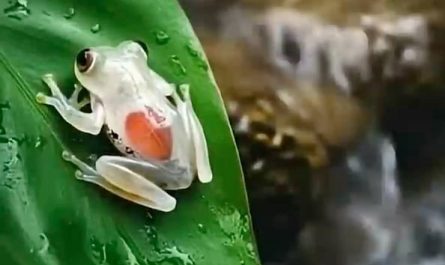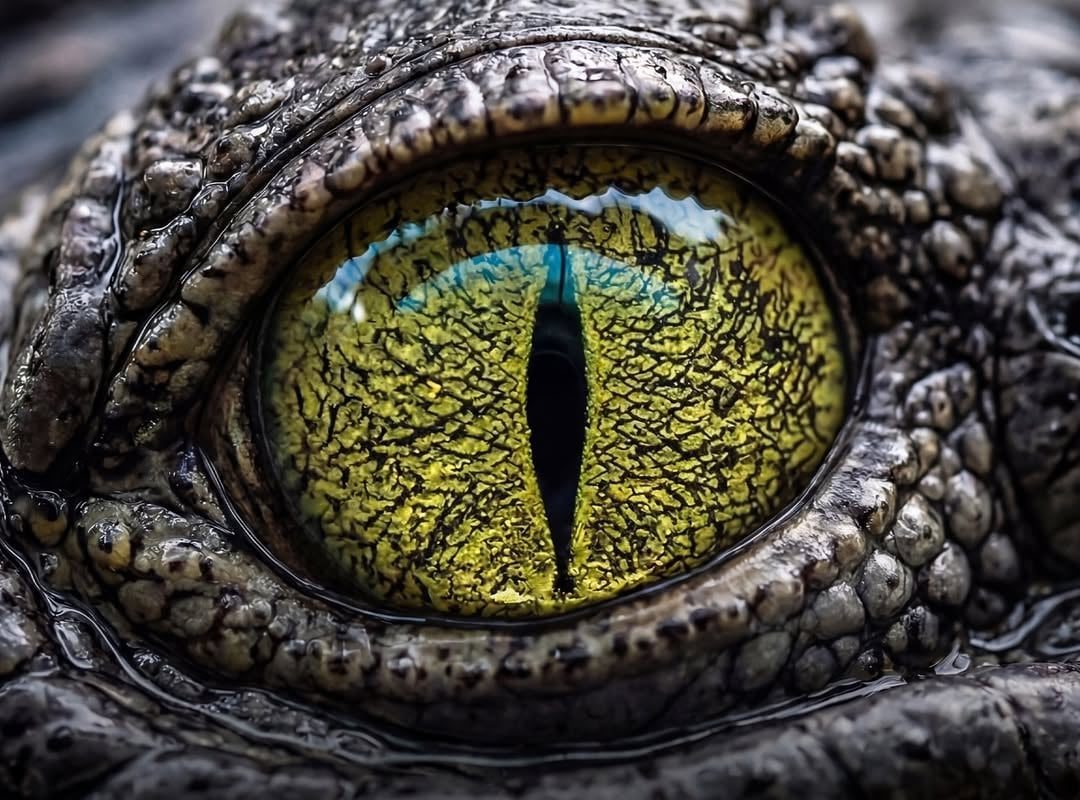
Top Most Insane eyes present in Nature.
The Top 10 Most Insane Eyes in Nature: Evolution’s Wildest Visual Marvels
Nature is full of jaw-dropping adaptations, but few features are as mesmerizing—or as bizarre—as the eyes of Earth’s creatures. From color vision beyond human comprehension to eyes that literally rotate like telescopes, the animal kingdom’s visual toolkit is a masterclass in evolutionary innovation. Below, we spotlight the most insane eyes in nature, guaranteed to redefine your idea of “seeing the world.”
1. Mantis Shrimp: The Technicolor Visionary
Why It’s Insane: 16 color receptors (vs. humans’ 3) and UV vision.
These rainbow-punching crustaceans don’t just see colors—they perceive shades humans can’t even imagine. Their eyes detect polarized light and have trinocular vision (each eye splits into three parts), allowing them to spot prey with unrivaled precision. Fun fact: Their eyes move independently like periscopes!
2. Tarsier: The Bug-Eyed Night Stalker
Why It’s Insane: Eyes larger than their brains.
Each of this tiny primate’s eyeballs weighs more than its brain! Their enormous peepers grant exceptional night vision, but there’s a catch: tarsiers can’t rotate their eyes. Instead, they swivel their heads 180°—like a living owl—to scan for insects.
3. Chameleon: The 360° Surveillance System
Why It’s Insane: Eyes move independently in all directions.
Chameleons boast eyes that operate like dual cameras on autonomous drones. One eye can look forward while the other scans backward, letting them track prey and predators simultaneously—no head movement required. Their conical eyelids leave only a pinhole opening for ultra-focused vision.
4. Giant Squid: The Deep-Sea Behemoth
Why It’s Insane: Eyes the size of basketballs (up to 11 inches wide!).
To navigate the pitch-black depths of the ocean, giant squid evolved planet-sized eyes—the largest in the animal kingdom. These massive lenses detect faint bioluminescent flashes and shadowy movements of predators like sperm whales from over 400 feet away.
5. Dragonfly: The Aerial Targeting Computer
Why It’s Insane: 30,000 lenses per eye and near-360° vision.
Dragonflies’ compound eyes contain tens of thousands of tiny facets, creating a mosaic view of their surroundings. This lets them detect movement in milliseconds—critical for snatching mid-air prey with 95% success rates. Bonus: They see ultraviolet light!
6. Barreleye Fish: The Transparent-Domed Spy
Why It’s Insane: Tubular eyes inside a see-through head.
This deep-sea oddity has upward-pointing, tube-shaped eyes encased in a fluid-filled, transparent shield. The setup allows it to spot silhouette prey above while its green lenses filter out oceanic light noise. Think of it as nature’s submarine periscope!
7. Owl: The Silent Night Vision Goggles
Why It’s Insane: Night vision 100x better than humans.
Owls’ enormous forward-facing eyes contain a high density of light-sensitive rods, letting them hunt in near-total darkness. Their tubular shape locks light in place, and reflective layers (tapetum lucidum) create eerie eye-shine—a trait shared with cats.
8. Gecko: The Night Vision Camera with Built-in Lens Cleaner
Why It’s Insane: Multi-focal lenses and self-cleaning eyelids.
Nocturnal geckos see colors in the dark—something humans can’t do—thanks to ultra-sensitive cones. Their eyes also have concentric zones for focusing on multiple distances. Plus, they lick their eyeballs with fleshy tongues to keep them dust-free!
9. Four-Eyed Fish: The Aquatic Split-Screen Viewer
Why It’s Insane: Each eye splits into two functional parts.
Found in Central America, this fish’s eyes are divided horizontally by tissue. The upper half sees above water (spotting insects), while the lower half scans underwater (watching for predators). It’s evolution’s version of wearing bifocals 24/7!
10. Goats (And Other Ungulates): The Panoramic Side-Eye Masters
Why It’s Insane: Rectangular pupils with 320° vision.
Goats, sheep, and octopuses share this creepy-yet-cool trait: horizontal rectangular pupils that provide panoramic peripheral vision to spot predators. Their eyes also rotate to stay parallel to the ground while grazing—a literal landscape mode!
Conclusion: Eyes—Nature’s Ultimate Survival Tech
From the mantis shrimp’s psychedelic color spectrum to the goat’s all-seeing rectangular pupils, nature’s eyes are more than just windows to the soul—they’re engineering marvels shaped by millions of years of evolution. These adaptations don’t just fascinate; they remind us that every creature perceives a world wildly different from our own.
SEO Keywords: Unbelievable animal eyes, bizarre animal vision, extreme eye adaptations, nature’s craziest eyes, unique animal eyes, mantis shrimp vision, nocturnal animal eyes, deep-sea creature eyes, how animal eyes work.
Meta Description: Discover nature’s 10 most insane eyes, from color-seeing mantis shrimp to goats with panoramic rectangular pupils. Explore evolution’s wildest visual adaptations!
Boost your knowledge of nature’s wonders! Share this article to spread the eye-opening marvels of evolution. 🐙👀