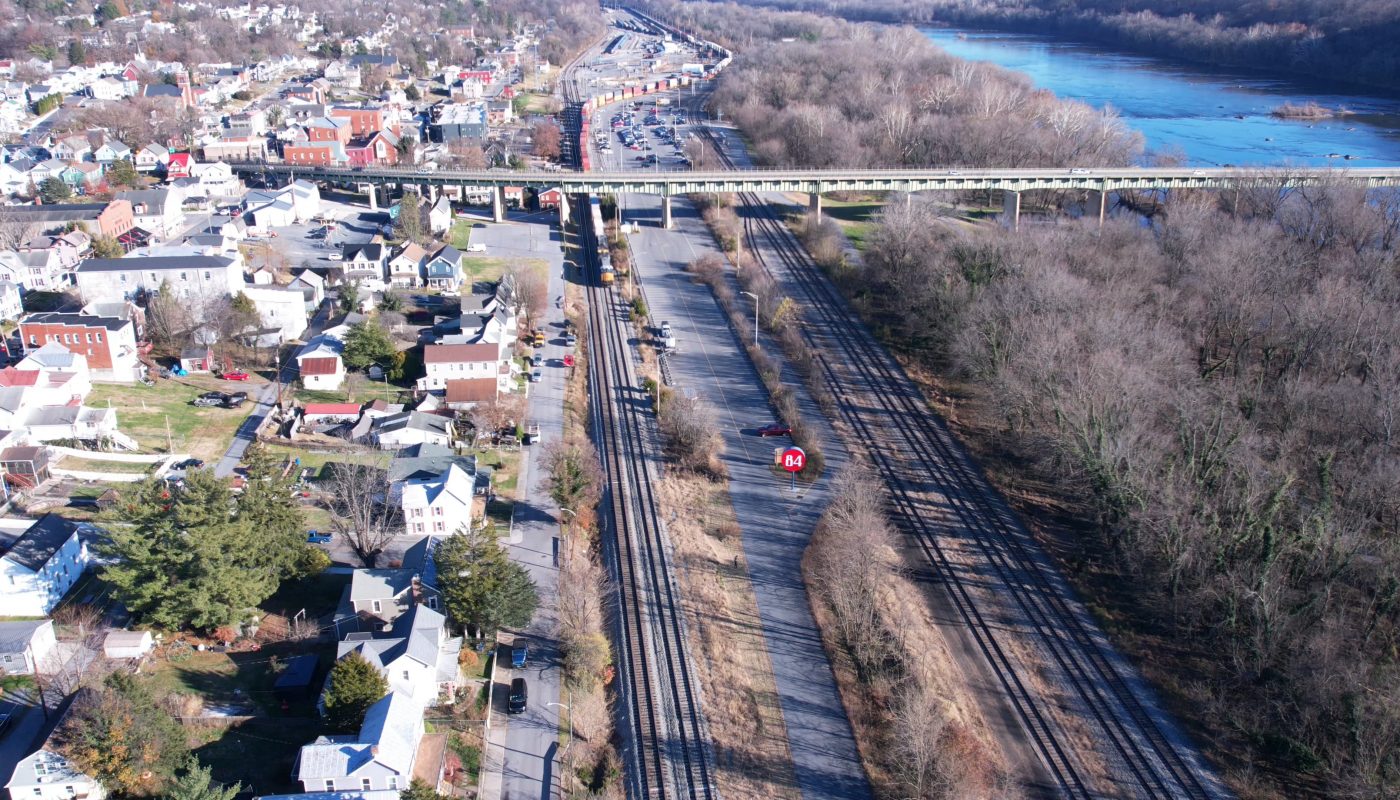
Trains leaving the train yard
All Aboard the Journey: Behind the Scenes of Trains Leaving the Train Yard
(And Why This Hidden Process Powers Rail Networks)
When we picture trains, we imagine them speeding through landscapes or arriving at bustling stations. But every rail journey begins in a place few passengers see: the train yard. The departure of trains from these complex hubs is a meticulously orchestrated ballet of logistics, safety checks, and precision timing. In this deep dive, we explore how locomotives and carriages transition from storage to service, ensuring rail networks run smoothly.
What Happens in a Train Yard? The Prelude to Departure
Train yards (also called rail yards, depots, or marshalling yards) are the unsung hearts of rail systems. Here, trains are stored, maintained, inspected, and assembled before their journeys. Key preparations include:
-
Assembly & Coupling
- Freight trains are built by attaching locomotives to cargo cars in specific sequences for optimal weight distribution.
- Passenger trains link carriages, ensuring amenities like dining cars or first-class compartments are correctly placed.
-
Safety Inspections
- Brakes, wheels, couplings, and electrical systems undergo rigorous checks.
- Defective cars are uncoupled and sent for repairs.
-
Crew Briefings
- Engineers and conductors review schedules, route updates, and potential hazards.
The Departure Process: How Trains Leave the Yard
Leaving the yard isn’t as simple as driving onto the main track. Here’s how it unfolds:
1. Yard Locomotives & Shunting
Most trains start with smaller switcher locomotives (or “shunters”) maneuvering cars into formation. These powerful but slow engines arrange cars with pinpoint accuracy before the main locomotive takes over.
2. Authorization to Depart
- Dispatchers communicate with yard towers and central control rooms.
- Signals and track switches are set to guide the train onto the correct route.
3. Joining the Main Line
Trains exit yards via departure tracks, merging onto main lines only after confirming the path is clear. Speed restrictions often apply until the train is fully integrated into the network.
Technology Powering Efficient Departures
Modern yards rely on advanced systems to streamline departures:
- Automated Classification Yards: Computer-controlled tracks sort and assemble freight cars 24/7.
- GPS & RFID Tags: Track cargo location, maintenance history, and destination in real-time.
- Predictive Analytics: Anticipate delays by analyzing weather, congestion, and crew schedules.
Challenges When Exiting the Yard
Train departures face hurdles that ripple across networks:
- Congestion: Multiple trains vying for limited exit tracks.
- Weather: Ice or extreme heat can slow inspections.
- Regulations: Strict safety protocols add time but prevent accidents.
Why “Leaving the Yard” Impacts Your Journey
Delays at this stage cascade nationwide:
- A 30-minute hold in Chicago’s yard can disrupt freight routes to Los Angeles.
- Passenger trains delayed in depots cause missed connections and crowded platforms.
Efficient yard exits ensure:
✅ On-time arrivals
✅ Safer tracks
✅ Lower shipping costs
Sustainability & Innovation in Train Yards
Rail already beats trucks in emissions per ton-mile, but yards are going greener:
- Electric Shunters: Replacing diesel switchers cuts noise and pollution.
- Solar-Powered Yards: Facilities like Belgium’s Antwerp Yard use renewable energy.
- AI Optimization: Reducing idling time slashes fuel waste.
Key Takeaways: The Quiet Power of Train Yard Departures
- Train yards are control centers where journeys begin—not endpoints.
- Precision in coupling, inspections, and signaling prevents chaos.
- Technology is transforming yards into smarter, greener hubs.
FAQ: Trains Exiting the Yard
Q: How long does it take a train to leave the yard?
A: Freight trains can take hours to assemble. Passenger trains may depart in under 30 minutes if prepped overnight.
Q: Do trains leave yards at night?
A: Many freight trains operate overnight, taking advantage of quieter tracks.
Q: Are passenger and freight yard exits different?
A: Yes—passenger trains prioritize speed and schedules, while freight focuses on cargo weight and route safety.
Next time you board a train or see one glide past, remember its journey started far from the spotlight—with wheels slowly turning in the organized chaos of a rail yard. These unseen departures keep global commerce moving and passengers on track.
Ready to Ride? Explore rail history or track real-time trains online to see yard departures in action!
(Meta Description: Discover how trains leave the train yard—the unseen logistics powering rail networks. Learn about inspections, technology, and challenges behind every departure.)
SEO Keywords: Train yard operations, locomotive dispatch, rail yard logistics, train departure process, freight train assembly, rail yard technology, switching locomotives, sustainable rail yards.