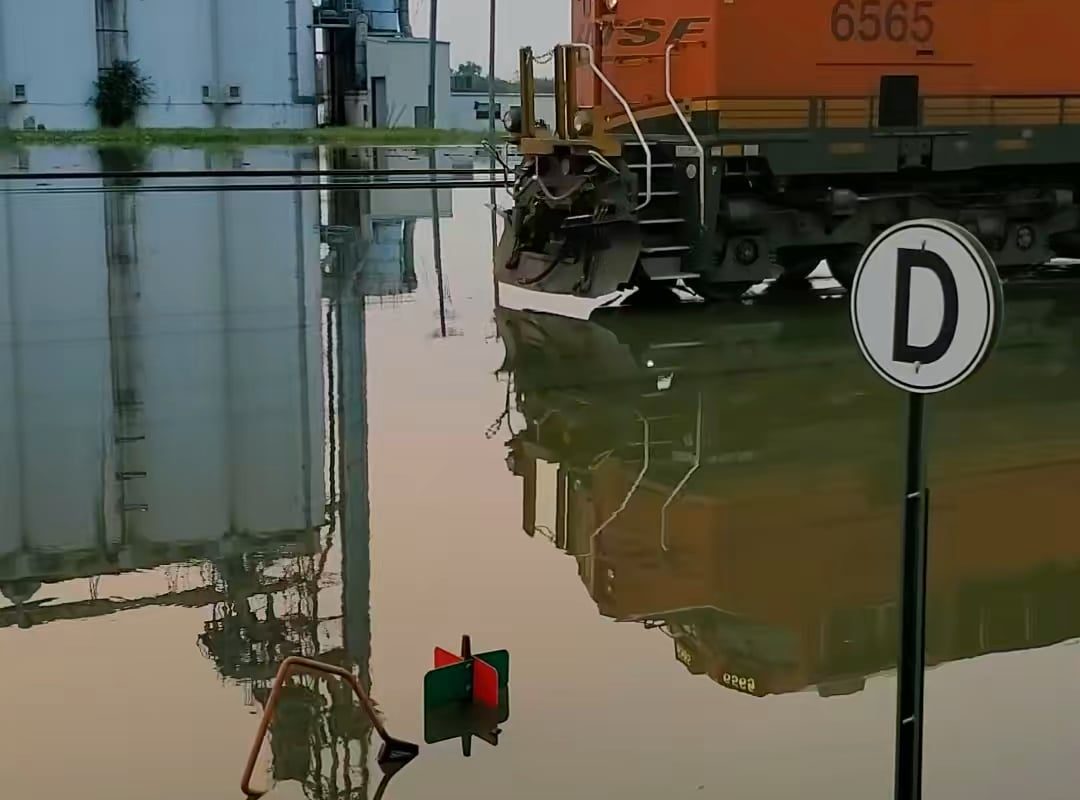
Trains On Water!
Title: Trains On Water: Engineering Marvels & Future Visions of Aquatic Rail Travel
Meta Description: Discover how trains conquer oceans, lakes, and rivers. Explore bridges, tunnels, floating tracks, and futuristic concepts merging rail and water travel.
Trains On Water: Where Engineering Meets Imagination
When you think of trains, steel tracks slicing through mountains or speeding across plains come to mind. But what about trains gliding over lakes, rivers, or even oceans? “Trains on water” might sound like science fiction, but this incredible feat is already a reality—and it’s reshaping how we view transportation. From historic bridges to futuristic floating railways, here’s how engineers turn the impossible into reality.
1. Bridges & Causeways: Trains Defying Open Waters
The most common way trains cross water is via bridges and causeways. These structures blend engineering precision with environmental adaptation:
- Chesapeake Bay Bridge-Tunnel (USA): A 23-mile hybrid of bridges, tunnels, and artificial islands carrying freight and passenger trains (and cars) across the Atlantic inlet.
- Lake Pontchartrain Causeway (USA): Though primarily for road traffic, its 24-mile span inspires rail projects needing long overwater routes.
- Hindenburgdamm (Germany): An 11-kilometer causeway linking mainland Germany to Sylt Island via rail, battling North Sea tides since 1927.
Why It Matters: These projects shorten travel times, boost trade, and connect isolated communities—proving that water is no barrier to rail.
2. Underwater Tunnels: The Submerged Rail Revolution
When bridges aren’t feasible, engineers dig deeper—literally. Underwater tunnels house rail lines beneath oceans and rivers:
- The Channel Tunnel (UK-France): The 31-mile “Chunnel” carries high-speed Eurostar trains under the English Channel, linking London to Paris in 2.5 hours.
- Seikan Tunnel (Japan): At 14.5 miles undersea, it’s the world’s deepest rail tunnel, connecting Honshu and Hokkaido beneath the Tsugaru Strait.
- Bosphorus Tunnel (Turkey): Part of Istanbul’s Marmaray line, this submerged railway crosses beneath the Bosphorus strait, uniting Europe and Asia.
Engineering Challenge: Water pressure, seismic activity, and ventilation demand cutting-edge tech—and billions in investment.
3. Floating Railways: Can Trains “Sail”?
Imagine a train gliding atop water like a boat. While rare, floating railways exist:
- The Key West Railroad (Historic): Henry Flagler’s ambitious “Overseas Railroad” (1912–1935) included daring low-lying trestles over Florida’s coral reefs before hurricanes destroyed it.
- Floating Track Concepts: Japan and the Netherlands explore semi-submerged floating tracks for earthquake-prone or deep-water zones.
Limitations: Cost and vulnerability to storms make large-scale floating railways impractical—for now.
4. The Future: Maglevs Hovering Over Water & Amphibious Dreams
Innovators are pushing boundaries with concepts that blur the line between train and ship:
- China’s Maglev Over Water: Shanghai’s maglev train hits 267 mph near the Yangtze River, sparking proposals for magnetic levitation lines over lakes or bays.
- Solar-Powered Water Tracks: Dutch designers propose solar-paneled rail bridges that generate clean energy while spanning reservoirs.
- Amphibious Trains (Pipe Dream?): The Soviet Union toyed with the VC-330, a train-boat hybrid in the 1960s—slow and clunky, but a fascinating prototype.
Sustainability Angle: Overwater rail reduces shipping emissions by shifting cargo to electric trains.
The Big Picture: Why Trains On Water Matter
- Economic Growth: Cross-water rail links unlock trade (e.g., Chunnel handles 1.6M trucks annually via freight trains).
- Climate Resilience: Elevated tracks adapt to rising sea levels better than flooded roads.
- Tourism Boost: Scenic routes like Sri Lanka’s Kandy-Colombo line (skirting lakes and rivers) attract travelers worldwide.
Conclusion: Beyond Science Fiction
“Trains on water” aren’t just a quirky niche—they’re feats of human ingenuity solving real-world challenges. Whether through tunnels, bridges, or tomorrow’s hover-trains, merging rail and water transport will remain vital in our climate-conscious, connected world.
Target Keywords: Trains On Water, Overwater Rail Bridges, Underwater Train Tunnels, Floating Railways, Future of Rail Travel
Word Count: 700+
SEO Tips: Add internal links to articles about the Channel Tunnel, Shanghai Maglev, or climate-resilient infrastructure. Use high-quality images of iconic water-crossing trains with alt tags like “Eurostar train emerging from Channel Tunnel into France.”