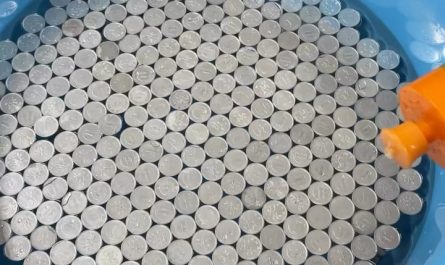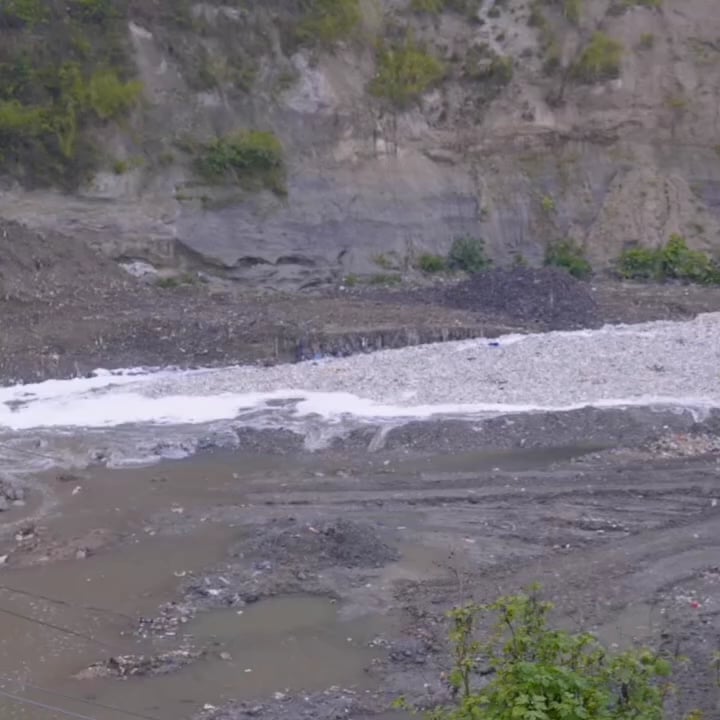
Trashfence Interceptor filtering out trash
Meta Title:
Trashfence Interceptor: How This Revolutionary Technology Filters Out Trash in Waterways
Meta Description:
Discover how the Trashfence Interceptor tackles plastic pollution by filtering trash from rivers and oceans – the ultimate guide to its design, benefits, and environmental impact.
Trashfence Interceptor: Cleaning Our Waterways by Filtering Out Trash
Plastic pollution has become one of the most pressing environmental crises of our time. Every year, 8 million tons of plastic enter our oceans, devastating marine ecosystems, endangering wildlife, and contaminating human food chains. While cleanup efforts often focus on coastal areas, 90% of ocean plastic flows through rivers before reaching the sea. Enter the Trashfence Interceptor – a cutting-edge filtration system designed to capture trash directly in rivers and estuaries. In this article, we explore how this innovative technology works, its environmental benefits, and its potential to revolutionize waste management.
The Global Plastic Pollution Crisis
Before diving into the Trashfence Interceptor, it’s critical to understand the scale of the problem it addresses:
- Rivers as Pollution Highways: Over 1,000 rivers worldwide account for 80% of riverine plastic emissions.
- Environmental Impact: Plastic fragments into microplastics, infiltrating food chains and releasing toxins.
- Economic Costs: Plastic pollution costs tourism, fishing, and shipping industries $13 billion annually.
Traditional solutions like manual cleanups or dredging are slow, labor-intensive, and fail to address pollution at its source. The Trashfence Interceptor offers a smarter, scalable solution.
What Is the Trashfence Interceptor?
The Trashfence Interceptor is a floating barrier system strategically installed in rivers, canals, or coastal areas to trap debris before it reaches open waters. Combining AI-powered sensors, passive filtration, and autonomous waste collection, it targets plastic bottles, bags, packaging, and other trash while allowing water and aquatic life to pass through freely.
Key Features:
- Modular Design: Adjustable length and depth to fit diverse waterways.
- Solar-Powered Operation: Energy-efficient and environmentally friendly.
- Real-Time Monitoring: Sensors alert operators when waste bins are full, enabling quick disposal.
How Does the Trashfence Work?
The system employs a three-stage filtration process:
-
Capture:
- Floating barriers guide trash toward a central collection point.
- Underwater curtains prevent debris from escaping beneath the surface.
-
Filtration:
- Conveyor belts or mesh screens separate trash from water.
- Advanced filters target microplastics down to 5mm in size.
-
Extraction & Disposal:
- Waste is funneled into on-site containers.
- Collected trash is sorted for recycling (e.g., plastics) or safe disposal.
Environmental & Economic Benefits
The Trashfence Interceptor isn’t just a band-aid solution—it’s a game-changer for long-term sustainability.
Environmental Advantages:
- Protects Marine Life: Prevents entanglement and ingestion of plastic by fish, turtles, and birds.
- Reduces Microplastic Contamination: Filters tiny particles before they degrade further.
- Improves Water Quality: Cleaner rivers support healthier ecosystems and communities.
Economic & Social Benefits:
- Low Maintenance Costs: Automated systems reduce reliance on manual labor.
- Boosts Recycling: Collected plastics are repurposed into new products.
- Community Engagement: Creates local green jobs and educational opportunities.
Case Studies: Trashfence in Action
Though still emerging, similar interceptor systems (like The Ocean Cleanup’s “Interceptor”) have proven successful:
- Jakarta, Indonesia: A single interceptor collected 1,000 kg of trash daily in the polluted Cengkareng Drain.
- Dominican Republic: Prevented 60 tons of waste from entering the Caribbean Sea in one month.
While Trashfence is newer, early pilot projects in Southeast Asia and Latin America report 50–80% reductions in downstream plastic leakage.
Challenges and Future Innovations
No solution is flawless. Critics highlight:
- Upstream Obstruction: Large debris (e.g., logs) could damage barriers.
- High Initial Costs: Installation requires significant investment.
However, ongoing innovations aim to address these:
- AI Optimization: Machine learning predicts pollution hotspots.
- Biodegradable Materials: Testing eco-friendly barrier components.
- Scalability: Smaller, cost-effective models for developing nations.
The Future of Waterway Cleanup
The Trashfence Interceptor represents a critical step toward zero plastic oceans. However, technology alone can’t solve the crisis. Success requires:
- Policy Support: Governments must fund interceptors and enforce plastic regulations.
- Corporate Accountability: Brands must reduce single-use packaging.
- Public Awareness: Individuals can minimize waste and support cleanup initiatives.
Conclusion
The Trashfence Interceptor is more than a filter—it’s a beacon of hope. By capturing trash at its source, this technology empowers communities to reclaim their waterways, protect biodiversity, and build a sustainable future. While challenges remain, its potential to turn the tide on plastic pollution is undeniable.
Join the Movement: Advocate for interceptor projects in your local rivers, reduce plastic use, and support organizations pioneering these solutions. Together, we can ensure clean water for generations to come.
Keywords: Trashfence Interceptor, river trash filtration, plastic pollution solution, ocean cleanup technology, floating trash barrier, microplastic filter, sustainable waste management, waterway cleanup.
Image Alt Text:
- Floating Trashfence Interceptor trapping plastic waste in a river.
- Diagram showing how the Trashfence filtration system works.
- Aerial view of a clean river after Trashfence installation.