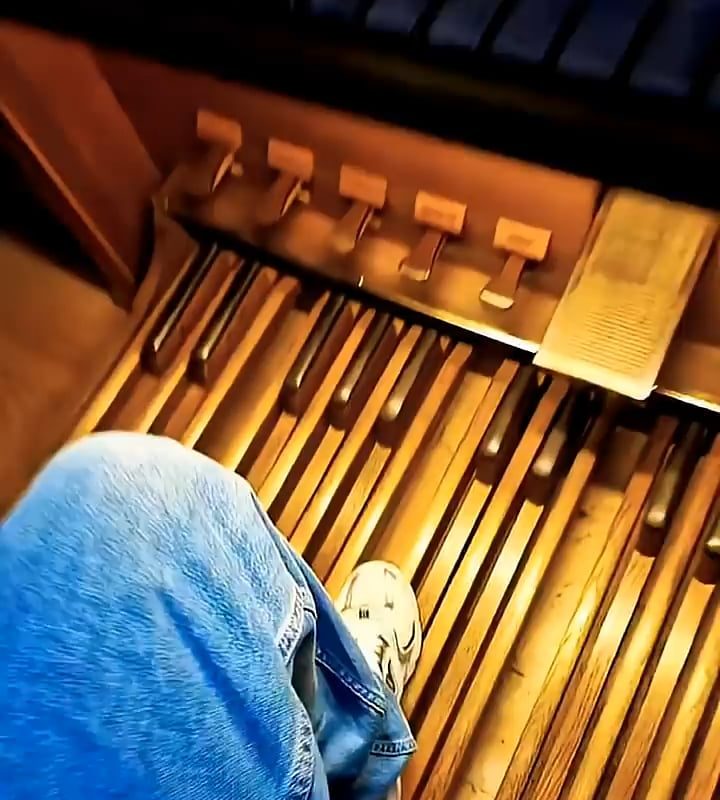
Turning off a church organ mid play sounds like something from a horror movie.
Title: Why Turning Off a Church Organ Mid-Play is a Horror Movie Staple (And How It Terrifies Us)
Few sounds are as innocently grand as a church organ’s resonant chords echoing through a sanctuary. But when that music cuts out abruptly—mid-hymn, mid-scale, mid-everything—it immediately transforms from sacred to sinister. This jarring trope is a favorite in horror films, thrillers, and ghost stories, exploiting the dissonance between the organ’s divine associations and the sudden violation of silence. But why does this specific moment strike such a primal chord of fear? Let’s break down the anatomy of the dread.
The Soundtrack of the Sacred (Until It’s Not)
Church organs are synonymous with reverence. Their deep, vibrating tones have scored centuries of worship, weddings, and funerals, embedding them in our cultural psyche as instruments of solemnity and transcendence. Horror creators weaponize this association: when the music halts without warning, it signals an intrusion of something unnatural. The silence becomes louder than the music ever was.
Real-World Basis? While unlikely to involve demons, real pipe organs can malfunction spectacularly. Stuck keys, air supply failures, or electrical issues might silence them mid-performance. But in fiction, this glitch is never an accident—it’s a message.
Why the Trope Works: 4 Psychological Triggers
-
Sacred vs. Profane Whiplash
Churches symbolize safety and sanctity. Shattering that calm—whether via a flickering light, a slammed door, or a dead organ—feels like a violation. Horror thrives on corrupted innocence. -
The Horror of Silence
In music, rests (pauses) are intentional, but an unplanned silence triggers uncertainty. Our brains race to fill the void with imagined threats. -
Mechanical Uncanniness
Pipe organs are intricate, almost alive: bellows breathe, keys clack, pipes “sing.” When they stop, it’s like watching a living thing die. -
Cultural Baggage
Gothic literature and classic films (think The Phantom of the Opera or The Haunting) cemented organs as harbingers of dread. We’ve been conditioned to flinch.
Iconic Horror Moments Built on a Dead Organ
- “The Conjuring” Universe: Ed and Lorraine Warren often face paranormal activity signaled by disrupted hymns. A failing organ implies the demon’s disdain for the sacred.
- “The Phantom of the Opera”: The Phantom’s obsession with the organ mirrors his tortured genius, making the instrument an extension of his rage.
- “Silent Hill” (Film & Games): Rusty, abandoned church organs amplify the towns decay, their silence more menacing than any scream.
- “The Haunting of Hill House” (Netflix): A decaying chapel organ underscores the house’s corrupted history.
Beyond Horror: When Organs Fail in Real Life
While not supernatural, organ failures can be eerie. Pipe organs rely on wind systems, intricate mechanics, and perfect tuning. A sudden stop might mean:
- Ciphering: A stuck pipe that won’t stop sounding (the opposite problem—equally unsettling!).
- Power/Mechanical Failure: Modern electric organs can black out ominously.
- Human Error: A distracted organist hitting the “cancel” piston by mistake—cue awkward panic!
How to Use the Trope in Storytelling
Writers and filmmakers take note:
- Foreshadowing: Let the organ play normally first, lulling the audience into false security.
- Timing: Cut the sound during a crescendo or hymn’s climactic note for maximum whiplash.
- Symbolism: Pair the silence with visual cues—a blown-out candle, a shadow at the chapel door.
Conclusion: Why We Can’t Shake the Fear
Turning off a church organ mid-play isn’t just a cheap jump-scare tactic—it’s a masterclass in subversion. By hijacking an emblem of peace and twisting it into a omen, horror taps into universal anxieties about faith, control, and the unknown. So next time you hear an organ’s solemn drone… pray it doesn’t stop.
Meta Description: Discover why silencing a church organ mid-performance is a horror movie staple. Explore the psychology, iconic scenes, and real-world roots of this terrifying trope.
Keywords: church organ horror, horror movie tropes, sound in horror films, why organs scare us, Phantom of the Opera organ, sacred vs profane horror, horror sound design.
Engagement Prompt:
What’s the scariest “silent organ” moment you’ve seen in a film or game? Share your picks in the comments!