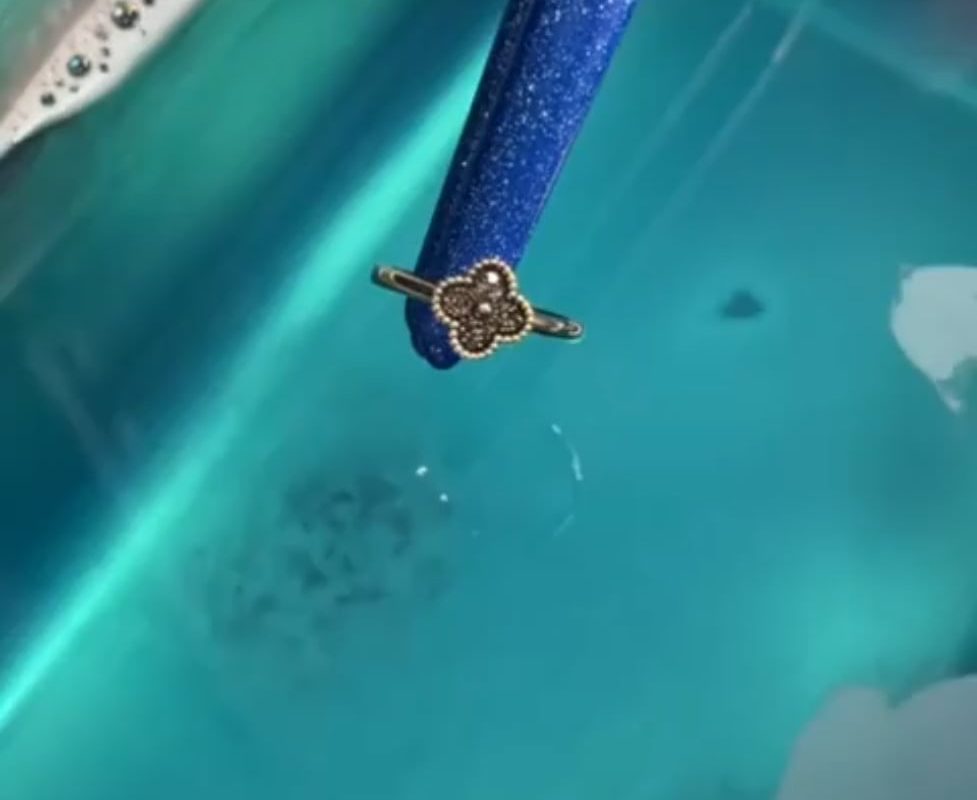
Ultrasonic Cleaner
The Ultimate Guide to Ultrasonic Cleaners: How They Work, Benefits, and Buying Tips
Unlock sparkling clean results with ultrasonic cleaners! Whether you’re a jeweler, engineer, dentist, hobbyist, or just someone tired of scrubbing stubborn grime, ultrasonic cleaners offer a fast, efficient, and gentle solution to deep-cleaning delicate items. In this comprehensive guide, we’ll dive deep into how ultrasonic cleaners work, their top applications, benefits, types, and how to choose the right one for your needs.
What Is an Ultrasonic Cleaner?
An ultrasonic cleaner is a high-precision cleaning device that uses ultrasound waves (inaudible sound frequencies) and specialized cleaning solutions to remove contaminants like dirt, grease, oil, rust, and bacteria from objects. Unlike manual scrubbing, ultrasonic cleaning penetrates microscopic crevices without damaging delicate materials—making it ideal for jewelry, medical tools, electronics, automotive parts, and more.
How Does an Ultrasonic Cleaner Work?
The magic of ultrasonic cleaning lies in cavitation. Here’s a step-by-step breakdown:
- Sound Waves Generate Bubbles: High-frequency sound waves (typically 20–400 kHz) travel through a liquid cleaning solution in the tank.
- Cavitation Forms: These waves create rapid pressure changes, forming microscopic vacuum bubbles in the liquid.
- Bubbles Implode: When the bubbles collapse (implode), they produce intense shockwaves that dislodge contaminants from surfaces.
- Deep Cleaning: This process reaches tiny cracks, threads, and pores that brushes or sprays cannot access.
Key Components
- Transducer: Generates ultrasonic waves.
- Tank: Holds the cleaning solution and items.
- Heater: Optional feature to warm the solution for better cleaning efficiency.
- Timer: Allows users to set cleaning cycles (1–30 minutes).
Common Uses of Ultrasonic Cleaners
Ultrasonic cleaners work wonders across industries and households:
1. Jewelry & Watches
Remove tarnish, polish residues, and dirt from rings, chains, and watch components without scratching precious metals or gemstones.
2. Medical & Dental Tools
Sterilize surgical instruments, dental implants, and lab equipment to meet hygiene standards.
3. Automotive & Machinery
Clean carburetors, fuel injectors, engine parts, and even bike chains from grease and carbon buildup.
4. Electronics & Optics
Safely degrease circuit boards, lenses, and camera parts without solvents that damage sensitive materials.
5. Household Items
Restore eyeglasses, razors, coins, and even gardening tools with minimal effort.
5 Benefits of Using an Ultrasonic Cleaner
- Efficiency
Cleans complex geometries in minutes—no disassembly or scrubbing required. - Eco-Friendly
Reduces the need for harsh chemicals and excessive water use. - Gentle Yet Powerful
Safely cleans fragile items like antique coins or optical lenses. - Versatility
Works with metals, plastics, ceramics, glass, and more. - Cost-Effective
Saves time, labor, and replacement costs from damaged parts.
Types of Ultrasonic Cleaners
1. Industrial Ultrasonic Cleaners
- Large capacity tanks (5+ liters) for heavy-duty tasks.
- High-power transducers and heating elements.
- Ideal for manufacturing plants or auto workshops.
2. Commercial/Bench-Top Models
- Medium-sized tanks (1–5 liters) for labs, dental clinics, or jewelers.
- Adjustable frequencies for optimized cleaning.
3. Portable/Compact Cleaners
- Small, lightweight designs for home use (e.g., cleaning glasses or jewelry).
- Affordable and easy to store.
How to Choose the Right Ultrasonic Cleaner: Buyer’s Guide
1. Tank Size
Match the tank dimensions to your largest items. For jewelry, a 0.5–1L tank suffices; for industrial parts, opt for 10L+.
2. Frequency Range
- Low frequency (20–40 kHz): Aggressive cleaning for tough grime (e.g., engine parts).
- High frequency (80–120+ kHz): Gentle cleaning for delicate items (e.g., circuit boards).
3. Features
Look for heaters (improves cleaning solution effectiveness), timers, degas functions, and stainless steel tanks.
4. Brand & Warranty
Reputable brands like Branson, Elma, or Magnasonic offer reliability and customer support.
Ultrasonic Cleaner Maintenance Tips
- Use the Right Solution: Always follow manufacturer guidelines (e.g., water-based cleaners for metals, specialized solvents for electronics).
- Replace Liquids Regularly: Contaminated solutions reduce efficiency.
- Avoid Overloading: Leave space for bubble formation.
- Clean the Tank: Wipe residue after each use to extend lifespan.
Final Thoughts: Is an Ultrasonic Cleaner Worth It?
Absolutely! Ultrasonic cleaners deliver unmatched cleaning precision for both professionals and home users. By harnessing cavitation technology, they save time, protect valuable items, and eliminate the frustration of manual cleaning. Whether you’re restoring heirlooms or maintaining industrial equipment, investing in an ultrasonic cleaner ensures sparkling results—every time.
Ready to transform your cleaning routine? Explore [Brand Name]’s range of ultrasonic cleaners today!
Meta Description: Discover how ultrasonic cleaners work, their top uses, benefits, and expert buying tips. Perfect for jewelry, tools, electronics & more—achieve spotless results effortlessly!
Target Keywords: Ultrasonic cleaner, ultrasonic cleaning, ultrasonic jewelry cleaner, ultrasonic cleaner uses, best ultrasonic cleaner.
Optimize your content further by linking to product pages or related articles (e.g., “How to Clean Jewelry at Home”) for added SEO value!