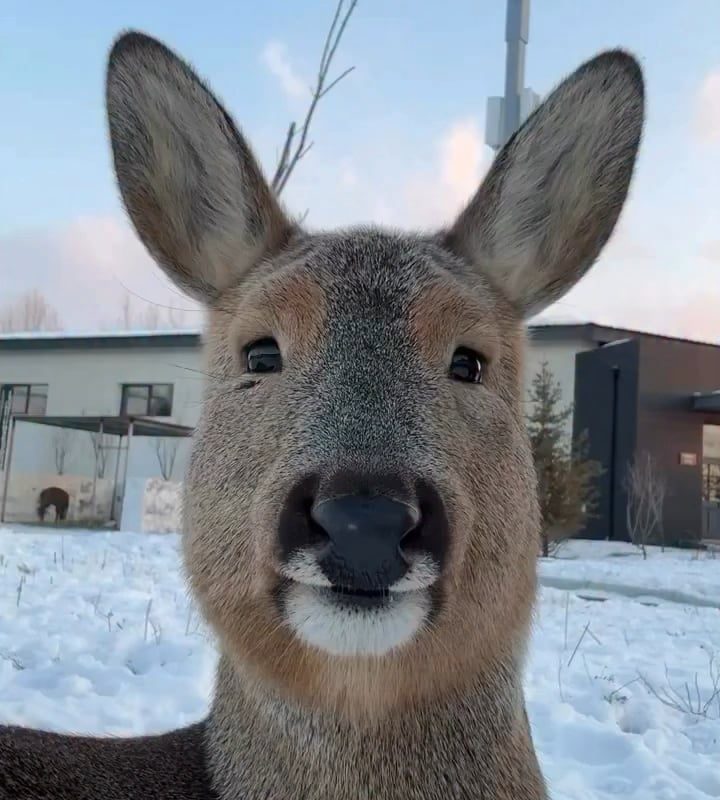
Up close with a doe deer
Title: Up Close with a Doe Deer: An Intimate Encounter with Nature’s Gentle Grazer
Meta Description: Discover the ethereal experience of observing a doe deer up close. Learn about deer behavior, photography tips, and ethical practices for unforgettable wildlife encounters.
There’s a special magic in locking eyes with a doe deer—a moment where time seems to pause, and the wild meets wonder. These graceful creatures, symbols of gentleness and intuition, offer humans a rare chance to witness nature’s quiet beauty firsthand. Whether you’re a wildlife photographer, a hiker, or simply a nature lover, encountering a doe in her natural habitat is unforgettable. In this article, we’ll explore how to safely and respectfully observe deer, decode their behavior, and capture the magic through your lens—or memory.
Why Doe Deer Enchant Us
Doe deer (female deer) embody tranquility. Unlike bucks, which are often associated with rugged strength, does radiate maternal calmness—especially when glimpsed with fawns in spring. They move through forests and meadows with effortless elegance, their brown-and-white coats blending into dappled sunlight. Observing a doe up close isn’t just about seeing an animal; it’s about connecting with an ancient rhythm of life.
Preparing for a Close Encounter: Tips for Success
-
Timing Is Everything
Dawn and dusk are “the golden hours” for deer activity. During these low-light periods, does venture into open areas to graze while predators are less active.- Best seasons: Early spring (fawning season) and autumn (rutting season for bucks).
-
Move Like the Deer Do
Deer detect movement and sound easily. Walk slowly, pause often, and avoid snapping twigs. Wear muted colors (greens, browns) or camouflage, and stay downwind—deer rely heavily on scent. -
Patience Pays Off
Settle into a quiet observation spot near deer trails, water sources, or feeding grounds. Bring binoculars to watch from afar without intrusion.
Understanding Doe Behavior: What to Watch For
- Alert Signals: A doe flicking her tail upright or stomping her hoof senses danger. Freeze immediately!
- Grazing Patterns: Does nibble grasses, leaves, and acorns in short bursts, pausing to scan for threats.
- Maternal Instincts: In spring, does hide fawns in tall grass while foraging. Never approach a hidden fawn—mothers return intermittently.
Capturing the Moment: Photography Tips
-
Gear Up Smartly
Use a telephoto lens (200mm+) to maintain distance. Turn off flash—it startles deer and ruins natural lighting. -
Focus on the Eyes
A doe’s large, dark eyes convey emotion. Shoot at eye level for intimate portraits. -
Embrace Natural Light
Shoot during golden hours for warm, soft hues. Overcast days reduce harsh shadows, highlighting details in fur. -
Tell a Story
Capture candid moments: a doe listening for sounds, grooming her fawn, or leaping across a stream.
Ethical Wildlife Viewing: Respect Above All
- Keep Your Distance: Use the “rule of thumb”—hold your thumb up. If it covers the deer, you’re far enough.
- Never Feed Wildlife: Human food harms deer digestion and habituates them to danger (e.g., roads).
- Leave No Trace: Avoid trampling vegetation, and pack out all trash.
Best Places to Spot Doe Deer
- National Parks: Yellowstone (Wyoming), Great Smoky Mountains (Tennessee), or Shenandoah (Virginia).
- State Wildlife Refuges: Protected areas often have designated viewing platforms.
- Suburban Edges: Deer adapt to greenbelts and parks near human developments—always observe from afar.
The Deeper Connection: Why These Moments Matter
Watching a doe deer reminds us of nature’s fragile harmony. As habitat loss and climate change threaten deer populations, ethical encounters inspire stewardship. Share your experience to advocate for conservation—whether through photos, stories, or supporting wildlife organizations.
Final Thought:
A close encounter with a doe deer is a gift—one that demands gratitude and respect. Tread lightly, observe mindfully, and let the wild speak to your soul.
Call to Action:
Have you had a magical deer encounter? Share your story in the comments below, and join our newsletter for more wildlife guides! 🌿🦌
Keywords: Up close with doe deer, observing deer behavior, deer photography tips, where to see deer, ethical wildlife viewing, doe deer encounter.