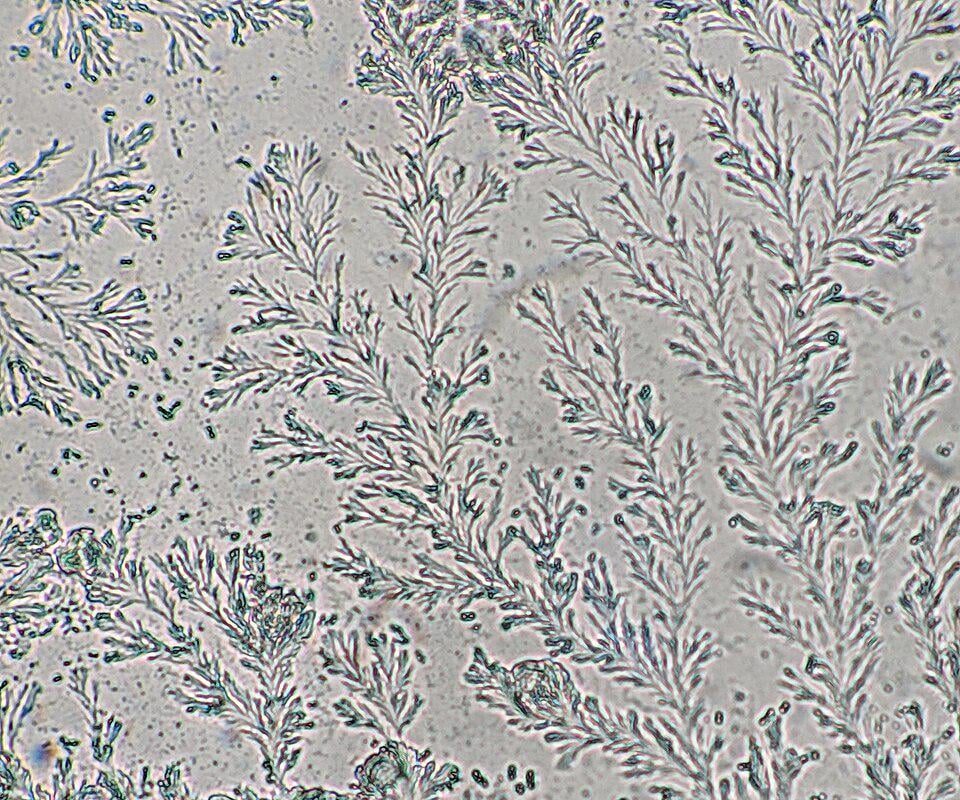
Vaginal secretions viewed under a microscope.
Title: Vaginal Secretions Under a Microscope: What They Reveal About Your Health
Meta Description: Discover what vaginal secretions look like under a microscope and how microscopic analysis helps diagnose infections, balance, and overall vaginal health.
Introduction
Vaginal secretions—commonly referred to as discharge—play a vital role in reproductive health. While color and consistency are visible to the naked eye, microscopic analysis unlocks a deeper understanding of vaginal flora, infections, and pH balance. In this article, we explore how healthcare professionals use microscopy to assess vaginal secretions, what normal vs. abnormal findings look like, and why this test is a cornerstone of gynecological care.
Why Microscopic Analysis Matters
A vaginal wet mount (or saline microscopy) involves examining vaginal secretions under a microscope. This quick, minimally invasive test helps diagnose:
- Bacterial vaginosis (BV)
- Yeast infections (e.g., Candida)
- Trichomoniasis (a sexually transmitted infection)
- Inflammation or imbalance in vaginal flora
Combined with pH testing and symptom evaluation, microscopy provides a clear picture of vaginal health.
What Do Healthy Vaginal Secretions Look Like Under a Microscope?
A healthy vaginal ecosystem is dominated by Lactobacilli, beneficial bacteria that produce lactic acid to maintain a slightly acidic pH (3.8–4.5). Under the microscope, you’d expect to see:
- Lactobacilli (rod-shaped bacteria): Abundant in healthy samples, appearing as slim, purple-stained rods after Gram staining.
- Epithelial cells: Flat, squamous cells shed from the vaginal lining. A moderate amount is normal.
- Clear, few white blood cells (WBCs): A high WBC count suggests infection or inflammation.
- Minimal debris or abnormal organisms.
Abnormal Microscopic Findings and What They Mean
1. Bacterial Vaginosis (BV)
- Cue Cells (Clue Cells): Epithelial cells coated with Gardnerella or other BV-associated bacteria, giving them a stippled, “dusty” appearance.
- Reduced Lactobacilli: Overgrowth of anaerobic bacteria replaces healthy flora.
- pH > 4.5
2. Yeast Infections (Candidiasis)
- Budding yeast cells or pseudohyphae (long, branching fungal filaments).
- Often accompanied by itching and clumpy discharge.
3. Trichomoniasis
- Trichomonas vaginalis: Pear-shaped, flagellated protozoa visible moving under the microscope.
- Elevated WBCs and pH > 5.0.
4. Aerobic Vaginitis or Other Imbalances
- High WBC counts and mixed bacteria without Lactobacilli dominance.
How Is a Vaginal Wet Mount Test Done?
- Sample Collection: A swab of vaginal secretions is taken during a pelvic exam.
- Preparation: The sample is mixed with saline solution on a slide.
- Microscopic Examination: A technician or doctor observes the slide for cells, bacteria, fungi, or parasites.
Results are often available within minutes, aiding in prompt diagnosis and treatment.
Beyond the Microscope: Complementary Tests
- pH Testing: A high pH (>4.5) supports BV or trichomoniasis diagnoses.
- Whiff Test: Adding KOH to the sample releases a “fishy” odor in BV cases.
- Culture or PCR Tests: Used if microscopy is inconclusive or for detecting other STIs.
FAQs About Microscopic Vaginal Secretion Analysis
Q: Can I check my vaginal secretions at home under a microscope?
A: While home microscopes exist, only trained professionals can accurately interpret results. Self-testing may miss critical abnormalities.
Q: Does abnormal discharge always mean an infection?
A: Not always! Hormonal changes (e.g., ovulation, pregnancy) can alter discharge temporarily.
Q: How often should I get tested?
A: If you have symptoms (itching, odor, unusual color) or risk factors like new sexual partners, consult a healthcare provider.
Conclusion
Microscopic analysis of vaginal secretions is a powerful tool to decode vaginal health. By identifying imbalances, infections, and protective flora, it guides effective treatment and promotes long-term well-being. If you experience persistent symptoms, seek professional testing—your body’s microscopic messengers hold the clues to your health.
Keywords for SEO:
Vaginal secretions microscope, vaginal flora under microscope, vaginal wet mount, bacterial vaginosis diagnosis, yeast infection test, Trichomonas microscopy, Lactobacilli microscope, vaginal pH test, abnormal discharge analysis, microscopic vaginal health.
Internal Linking Suggestions:
- What Your Vaginal pH Says About Your Health
- Bacterial Vaginosis vs. Yeast Infections: Key Differences
- How to Maintain Healthy Vaginal Flora
By understanding the science behind vaginal secretions, you empower yourself with knowledge for better reproductive health!