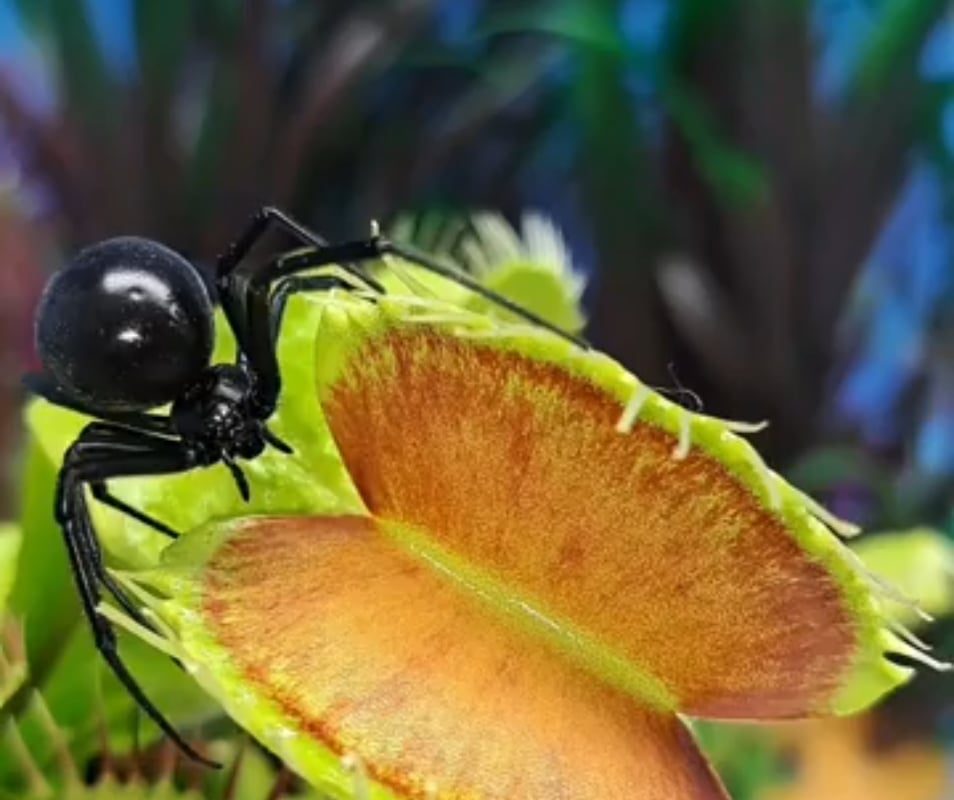
Venus fly plant traps a black widow
Title: Can a Venus Flytrap Catch a Black Widow? The Surprising Truth About Carnivorous Plant Diets
For insect-eating plants like the Venus flytrap (Dionaea muscipula), prey is often small and easy to overpower—like gnats, flies, or ants. But could this carnivorous superstar take on something more formidable, like a venomous black widow spider? The idea of a Venus flytrap trapping a black widow sparks both fascination and disbelief. Here’s what science and real-world observations reveal.
The Venus Flytrap’s Hunting Mechanism: Built for Speed, Not Strength
Venus flytraps lure prey using sweet nectar on their jaw-like leaves, which are lined with sensitive trigger hairs. When an insect touches these hairs twice (a safeguard against false alarms), the trap snaps shut in under a second. Once closed, the plant secretes enzymes to digest its victim over 5–12 days, absorbing nutrients like nitrogen and phosphorus—resources scarce in their native boggy habitats.
While black widows aren’t typical prey, a Venus flytrap could theoretically catch one if the spider is small enough to fit inside the trap (usually no larger than 1/3 of the trap’s size). Adult black widows, however, can grow up to 1.5 inches long—far bigger than most traps. A juvenile spider, though, might be vulnerable.
Venus Flytrap vs. Black Widow: A Rare but Possible Encounter
Documented cases of Venus flytraps capturing spiders are rare but not unheard of. Small jumping spiders or orb-weavers occasionally fall victim. A black widow, however, poses unique challenges:
- Size: Most traps max out at 1 inch—too small for a mature widow.
- Venom: Black widow venom affects animals’ nervous systems, but plants lack nerves. The spider’s venom wouldn’t harm the flytrap, though its size could strain the trap.
- Spider Behavior: Black widows are cautious and build webs away from ground-level plants, reducing encounter chances.
In rare cases, a young black widow exploring near a flytrap might trigger the trap. But larger spiders could escape or damage the plant by struggling.
What Happens If a Venus Flytrap Catches a Black Widow?
- Trap Closure: The flytrap relies on prey touching multiple trigger hairs. A spider’s leg might set it off, but if the spider is too big, the trap could fail to seal.
- Digestion Dilemma: If the spider is partially enclosed, digestion may not complete, causing the trap to rot prematurely.
- Nutrient Gain: A successful capture would provide the plant with a protein-rich meal, but it’s a high-risk gamble. One damaged trap won’t kill the plant—it can grow new ones.
Caring for Venus Flytraps: Should You Feed Them Spiders?
While Venus flytraps can occasionally handle spiders, they don’t need human help to thrive. If you’re growing one:
- Never force-feed: Let the plant catch prey naturally. Overfeeding strains its energy.
- Optimal Prey: Small insects like flies or ants are ideal.
- Sunlight & Water: Provide 12 hours of direct sunlight and use distilled water or rainwater (tap water minerals are harmful).
- Soil: Only use nutrient-poor peat moss or sphagnum moss mixes.
The Takeaway: Nature’s Drama, but Not a Common Meal
While a Venus flytrap trapping a black widow is biologically possible, it’s an anomaly—not a survival strategy. These plants evolved to thrive on smaller bugs, and high-risk prey like venomous spiders is more accidental than intentional. Still, this hypothetical scenario showcases the flytrap’s remarkable adaptability and the raw drama of the plant world.
FAQ Section
1. Can Venus flytraps eat poisonous spiders?
Yes, but venom doesn’t affect plants. The real limit is prey size.
2. What’s the biggest prey a Venus flytrap can catch?
Traps rarely handle insects larger than houseflies. Oversized prey causes rot.
3. Will a black widow’s venom kill the plant?
No—plants lack nervous systems. The danger lies in the spider’s size damaging the trap.
4. Should I feed my Venus flytrap spiders?
No. Let it hunt naturally or offer small, dead insects sparingly.
Final Thought: While the image of a Venus flytrap battling a black widow captivates the imagination, these plants are best suited for smaller prey. Whether you’re a gardener or a nature enthusiast, respecting their natural diet ensures they stay healthy—and keeps your fascination with their predatory prowess alive! 🌱🕷️