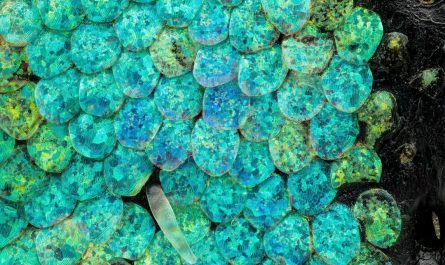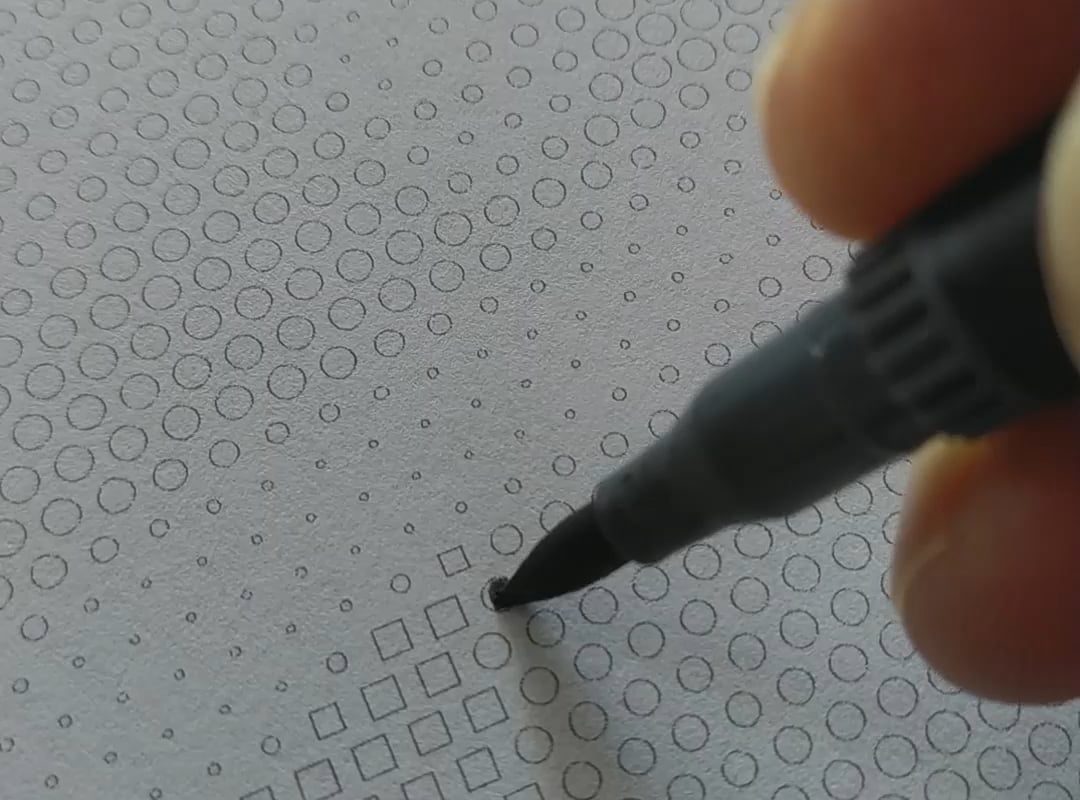
Vermeer’s-Girl with pearl earing, made with 3 markers and 3 outlined shapes to fill, dot, diamond, square one per color! Shapes sizes create all the shading per color.
Masterpiece in Markers: Recreate Vermeer’s “Girl with a Pearl Earring” with 3 Shapes & 3 Colors
Unlock your inner Vermeer with a revolutionary art technique! Dive into this playful, geometric interpretation of Girl with a Pearl Earring—the iconic 17th-century masterpiece—using just 3 markers and 3 outlined shapes (dot, diamond, square). No complex blending required! By varying the size and density of these shapes, you’ll build stunning shading and dimension, breathing life into the timeless subject.
Why This Technique?
This minimalist approach transforms Vermeer’s delicate chiaroscuro (light/shadow play) into an accessible, modern art exercise. Each shape serves a purpose:
- Dots create soft textures (skin, fabric folds).
- Diamonds add dynamic mid-tone gradients (hair, shadows).
- Squares define bold contrasts (deep shadows, outlines).
By controlling the size and spacing of shapes per color layer, you’ll build depth—tiny shapes for subtle tones, large ones for dramatic highlights or shadows.
Materials You’ll Need
- 3 Markers (analogous colors mimicking Vermeer’s palette):
- Light Blue (pearl earring, turban highlights)
- Golden Ochre/Yellow (skin, luminous background)
- Deep Brown/Black (hair, shadows, outline).
- Fine-liner pen (for shape outlines).
- Paper (smooth marker paper recommended).
Step-by-Step Guide
1. Base Sketch & Color Zones
Lightly sketch the girl’s face, shoulder, turban, and pearl earring. Break the composition into “color zones”:
- Light Blue: Turban wrap, earring.
- Golden Ochre: Skin, yellow jacket, background.
- Deep Brown/Black: Hair, shadows, details.
2. Shape Strategy: Fill by Tone
Rule: For each color, use one shape type to shade its assigned zones.
-
Skin & Background (Golden Ochre):
- Shape: Dots
- Shading Logic:
- Light areas (cheek, forehead): Large, spaced dots for smooth highlights.
- Mid-tones (neck, jaw): Medium dots, tighter spacing.
- Shadows (under chin): Tiny, dense dots for richness.
-
Turban & Pearl (Light Blue):
- Shape: Diamonds
- Shading Logic:
- Pearl highlights: Large diamonds at top-left.
- Turban folds: Smaller diamonds stacked vertically.
- Shadow edges: Micro-diamonds along the fabric creases.
-
Hair & Shadows (Deep Brown/Black):
- Shape: Squares
- Shading Logic:
- Hair volume: Medium squares layered diagonally.
- Deep shadows (under turban, eyes): Tiny, clustered squares.
- Outline details: Large squares for bold edges like the collar.
3. Layering Intensity
- Start light: Build color with loosely drawn shapes.
- Add depth: Overlap shapes, shrinking sizes for darker areas.
- Pro Tip: Leave negative spaces (e.g., the pearl’s brightest spot) shape-free to mimic Vermeer’s glowing highlights.
Why This Works: Art Meets Geometry
Vermeer’s genius lay in his subtle control of light. Your geometric toolkit replicates this precision:
- Dot = Soft Diffusion (ideal for skin’s realism).
- Diamond = Directional Flow (guiding light like turban fabric).
- Square = Structural Depth (anchoring shadows).
SEO Keywords to Explore Further
- Geometric art tutorials
- Marker painting techniques
- Vermeer modern reinterpretation
- DIY art shading methods
- Minimalist masterpiece recreation
Ready to Share?
Tag your #MarkeredMasterpiece on social media! This innovative technique proves that Vermeer’s magic lives on—even in dots, diamonds, and squares. 🎨✨
Visual Reference Idea: Pair your artwork with a close-up snippet of Vermeer’s original painting to showcase how geometric shapes mirror his brushstroke gradients!
Create. Share. Inspire. Whether you’re an art teacher, hobbyist, or a STEM enthusiast (hello, geometry!), this project blends creativity with logic—making art history vibrantly accessible. 🏆