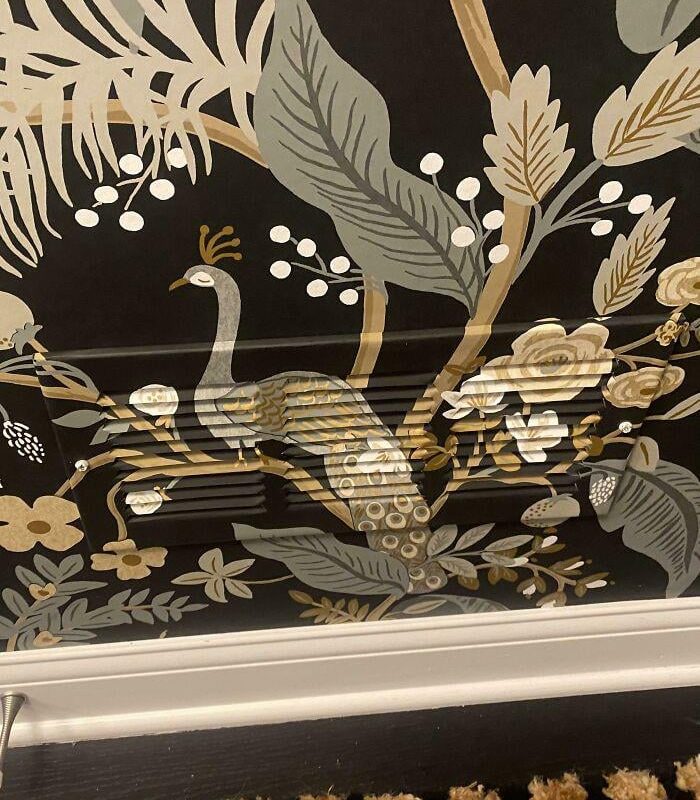
Wallpaper Installer Covered The Vent
The Hidden Dangers of a Wallpaper Installer Covering Your Vent—And How to Fix It
A fresh wallpaper installation can transform a room from bland to breathtaking—but what happens when a wallpaper installer accidentally (or unknowingly) covers an air vent? This seemingly small oversight can lead to major HVAC system issues, health risks, and costly repairs. In this guide, we’ll explain why vent obstruction is a serious problem, how to prevent it, and what to do if your vent is already covered.
Why Covering a Vent Is a Big Problem
Vents are critical to your home’s heating, cooling, and air quality. When wallpaper blocks a vent, it disrupts airflow and creates a cascade of issues:
- Strained HVAC System: Blocked vents force your system to work harder, raising energy bills and risking premature wear or breakdowns.
- Poor Air Circulation: Trapped air creates hot/cold spots, uneven temperatures, and discomfort.
- Moisture & Mold Growth: Restricted airflow leads to condensation buildup, promoting mold in walls or ductwork—a health hazard.
- Pressure Imbalance: Blocked vents increase duct pressure, potentially causing leaks or backdrafting of carbon monoxide (in gas-heated homes).
How to Prevent a Wallpaper Installer from Covering Your Vent
Before Installation: Communicate Clearly
- Mark Vents Clearly: Use painter’s tape or bright stickers to label vents before the installer arrives.
- Discuss Vent Removal: Ask if vents can be temporarily removed during wallpapering. Most register covers can be unscrewed and reattached after wallpaper is applied.
- Hire Experienced Pros: Vet installers by asking, “How do you handle vents or fixtures during wallpapering?” A reputable pro will have a plan.
During Installation: Supervise the Work
- Check that vents are either removed or carefully cut around. Modern wallpaper materials (vinyl, peel-and-stick) can sometimes be trimmed post-installation, but precision is key.
Spotting a Covered Vent: Warning Signs
If your room feels off after wallpaper installation, look for these clues:
- Weak Airflow: Hold your hand near the vent—if air struggles to pass, it may be blocked.
- Unusual HVAC Noises: Whistling or rattling from ducts can signal pressure buildup.
- Musty Odors: A damp smell suggests trapped moisture and mold.
- Peeling Wallpaper: Moisture from clogged vents can weaken adhesive, causing edges to curl.
How to Fix a Covered Vent (Without Ruining Your Wallpaper)
If you discover a covered vent, act quickly:
Step 1: Turn Off the HVAC System
Prevent further strain or mold spread by shutting down heating/cooling temporarily.
Step 2: Carefully Remove the Wallpaper
- For Paste-Based Wallpaper: Use a steamer to soften adhesive around the vent. Slowly peel back the paper, then cut a clean hole over the vent.
- For Peel-and-Stick: Gently lift the material, cut out the vent section, and smooth the edges.
Step 3: Reinstall or Replace the Vent Cover
- Clean any adhesive residue from the vent.
- If the cover can’t be salvaged, replace it with a sleek, low-profile design that won’t interfere with your wallpaper.
When to Call a Professional
- If mold is present, contact an HVAC specialist and mold remediation expert.
- If the wallpaper is delicate or expensive, hire a wallpaper installer to repair the affected area.
Who’s Liable for the Damage?
If a professional installer covered your vent:
- Review your contract: Does it mention vent handling or damage liability?
- Document the issue: Take photos and request a free repair. Most insured installers will fix errors promptly to protect their reputation.
For DIY mishaps, follow the steps above to minimize costs.
Final Tips for Flawless Wallpaper Installation
- Choose Vented Solutions: For rooms with critical airflow (e.g., bathrooms), pick breathable wallpaper or decorative vent covers.
- Prioritize HVAC Health: Never sacrifice airflow for aesthetics. A beautiful room isn’t worth a broken furnace or mold infestation!
FAQ: Quick Answers to Common Concerns
Q: Can I wallpaper OVER a vent cover?
A: Never. Always remove the cover before installation and reattach it afterward.
Q: Will a small vent blockage really matter?
A: Yes. Even partial obstructions reduce efficiency by 15–20%, per ENERGY STAR.
Q: How much does it cost to fix a covered vent?
A: Minor fixes are DIY-friendly. Professional repairs range from $100–$400 if mold remediation is needed.
Act Fast—Protect Your Home’s Airflow & Aesthetics
A covered vent is more than an installation mistake—it’s a threat to your comfort, health, and wallet. By hiring skilled installers, supervising critical steps, and acting quickly if issues arise, you’ll keep your walls and your HVAC system in top shape.
Need professional help? Search for “wallpaper installer near me” or “HVAC repair” to resolve vent blockages safely.
Keywords for SEO: wallpaper installer covered vent, vent covered by wallpaper, HVAC vent obstruction, fix blocked air vent, wallpaper installation mistakes, mold from covered vent, how to uncover a vent