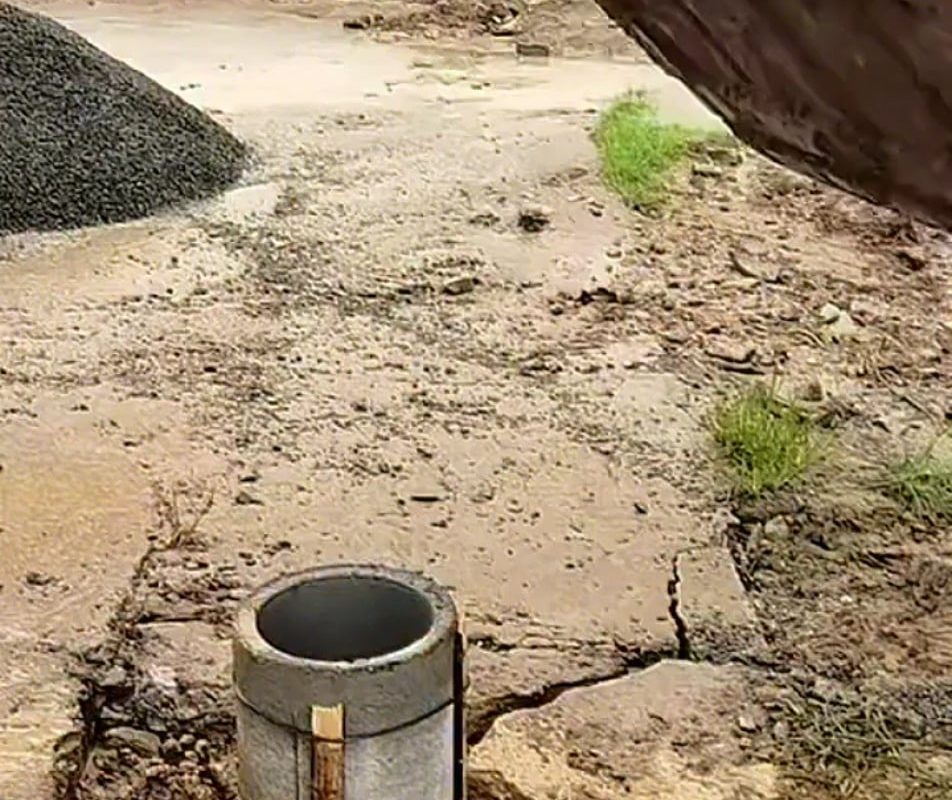
Water displacement in construction.
Mastering Water Displacement in Construction: Essential Strategies for Project Success
Water displacement—the process of removing or managing groundwater and surface water—is a critical yet often overlooked challenge in construction. From unstable foundations to flooded excavations, uncontrolled water can derail timelines, inflate budgets, and compromise structural integrity. This guide explores the science, methods, and best practices of water displacement in construction, ensuring your projects stay dry, safe, and on schedule.
Why Water Displacement Matters in Construction
Water is a formidable adversary during construction. Left unchecked, it can:
- Weaken soil, reducing its load-bearing capacity and destabilizing foundations.
- Flood excavations, halting work and damaging equipment.
- Trigger erosion or soil liquefaction, especially in areas with high water tables or proximity to rivers, lakes, or coastlines.
- Accelerate corrosion of structural components like rebar.
Effective water displacement protects not just the project, but also surrounding ecosystems from sedimentation or chemical runoff.
What Is Water Displacement in Construction?
Water displacement involves techniques to remove, divert, or block groundwater or surface water from a construction site. This includes temporary solutions like pumping during excavation and permanent systems like drainage infrastructure. Goals include:
- Keeping excavations dry.
- Stabilizing soil.
- Preventing hydrostatic pressure from damaging structures (e.g., basement walls).
Top Water Displacement Methods & Technologies
1. Dewatering Systems
- Wellpoints: Shallow, closely spaced wells connected to a vacuum pump, ideal for sandy soils.
- Deep Wells: Electric submersible pumps lower the water table in large, deep excavations.
- Sump Pumping: Collecting water in pits and pumping it away—cost-effective for small projects.
2. Physical Barriers
- Sheet Piling: Interlocking steel or vinyl sheets driven into the ground to create a watertight wall.
- Slurry Walls: Trenches filled with bentonite clay to block groundwater flow.
- Cofferdams: Temporary enclosures built in water bodies to create a dry work area.
3. Drainage Solutions
- French Drains: Perforated pipes surrounded by gravel to redirect groundwater.
- Geomembranes: Impermeable liners preventing water infiltration.
4. Advanced Technologies
- Electro-Osmosis: Uses electric currents to move water away from fine-grained soils like clay.
- Automated Monitoring: IoT sensors track water levels and adjust pumping rates in real time.
Best Practices for Effective Water Displacement
-
Conduct Thorough Site Assessments:
- Analyze soil type (permeability, cohesion).
- Map groundwater levels and flow directions.
- Check local regulations (e.g., discharge permits).
-
Choose the Right Method:
- Sandy soil? Wellpoints or deep wells work best.
- Clay-heavy site? Electro-osmosis or slurry walls prevent slow seepage.
-
Mitigate Environmental Risks:
- Filter sediments from discharged water to protect ecosystems.
- Avoid over-pumping, which can cause nearby wells to dry up.
-
Monitor Continuously:
- Track water levels, pump efficiency, and soil stability throughout the project.
-
Plan for Contingencies:
- Have backup pumps ready for heavy rainfall or extreme weather events.
Real-World Applications & Case Studies
- New York’s Hudson Yards: Engineers used a massive dewatering system (100+ deep wells) to lower the water table for the 28-acre development.
- Tunnel Projects (e.g., Seattle’s SR 99): Freeze walls (ground freezing) temporarily immobilized groundwater during boring.
- Coastal Construction (e.g., Miami High-Rises): Multi-tiered barrier systems prevented saltwater intrusion into foundations.
The Future of Water Displacement in Construction
Innovations like AI-powered predictive modeling and sustainable dewatering (e.g., water recycling) are transforming the field. Meanwhile, climate change and rising sea levels make mastery of water displacement non-negotiable for resilient infrastructure.
Conclusion
Water displacement isn’t just about moving water—it’s about ensuring structural longevity, safety, and environmental stewardship. By integrating geology, engineering, and technology, construction teams can turn water from a hazard into a manageable variable. Whether you’re digging a basement or building a bridge, proactive water management lays the foundation for success.
Ready to Secure Your Site? Consult a geotechnical engineer today to tailor a water displacement strategy to your project’s unique needs.
Focus Keywords: Water displacement in construction, construction dewatering, groundwater control, excavation water management, dewatering methods.
Meta Description: Discover how water displacement in construction prevents flooding, stabilizes soil, and ensures project success. Explore methods, technologies, and best practices.
Optimize your project’s resilience—master water displacement now. 💧🏗️