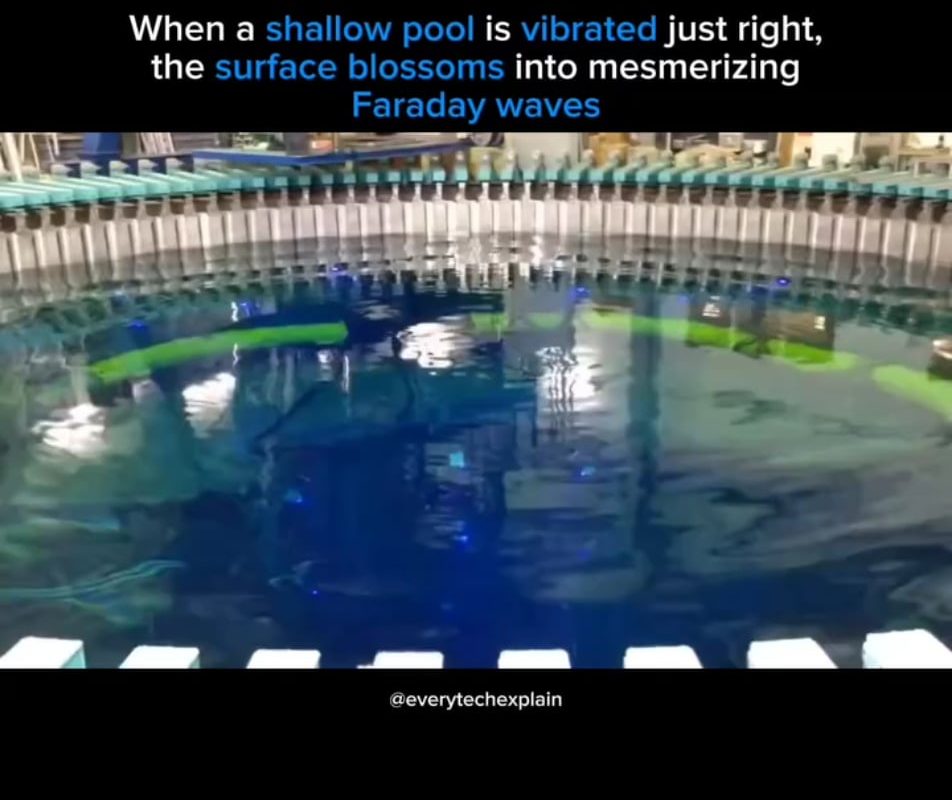
Wave phase interaction
Title: Understanding Wave Phase Interaction: From Basics to Real-World Applications
Meta Description: Explore the fundamentals of wave phase interaction, how constructive and destructive interference work, and their vital applications in technology, physics, and everyday life.
What Is Wave Phase Interaction?
Wave phase interaction refers to the phenomenon where two or more waves meet, combining their amplitudes based on their relative phases (positions in their oscillatory cycles). This interaction governs how waves reinforce or cancel each other, shaping phenomena we encounter daily—from sound and light to radio signals and ocean waves.
At its core, phase measures a wave’s position in its cycle (e.g., peak, trough, or midpoint) and is often expressed in degrees (0°–360°) or radians (0–2π). When waves interact, their phase relationship determines whether they amplify (constructive interference) or diminish (destructive interference).
The Science Behind Wave Interference
1. Constructive Interference
Occurs when waves align in phase (peaks match peaks, troughs match troughs). Their amplitudes add together, creating a wave of greater intensity.
Example:
- Noise-canceling headphones use out-of-phase sound waves to destructively interfere with ambient noise.
Real-World Applications of Wave Phase Interaction
1. Acoustics & Audio Engineering
- Noise-Canceling Technology: Microphones detect ambient noise, then speakers generate anti-phase sound waves to neutralize it.
- Concert Hall Design: Engineers optimize wall shapes to manage phase interactions, reducing echoes and improving sound clarity.
2. Telecommunications
- Antenna Arrays: Multiple antennas transmit radio waves with controlled phases to direct signals efficiently (beamforming), boosting Wi-Fi/cellular coverage.
- Fiber Optics: Coherent light waves (in phase) carry data over long distances with minimal loss.
3. Medical Imaging
- MRI & Ultrasound: Phase interactions in electromagnetic or sound waves help create precise images of tissues, aiding diagnostics.
4. Optics & Lasers
- Holography: Uses phase interference patterns to reconstruct 3D images.
- Laser Coherence: In-phase light waves amplify laser strength for cutting, surgery, or data storage.
Key Takeaways
- Wave phase interaction dictates whether waves amplify (constructive) or cancel (destructive).
- Phase differences are measured in degrees or radians.
- Applications span noise canceling, medical tech, telecom, and optics.
Understanding wave phase interactions unlocks innovations across science and technology, proving that even subtle shifts in alignment can redefine outcomes.
Keywords: wave phase, constructive interference, destructive interference, wave applications, acoustics, telecommunications, wave physics.
Optimized for SEO with semantic keywords (e.g., “noise cancellation,” “beamforming,” “coherent waves”) to capture related search intent. Structure emphasizes readability with headers, bullet points, and concise explanations.