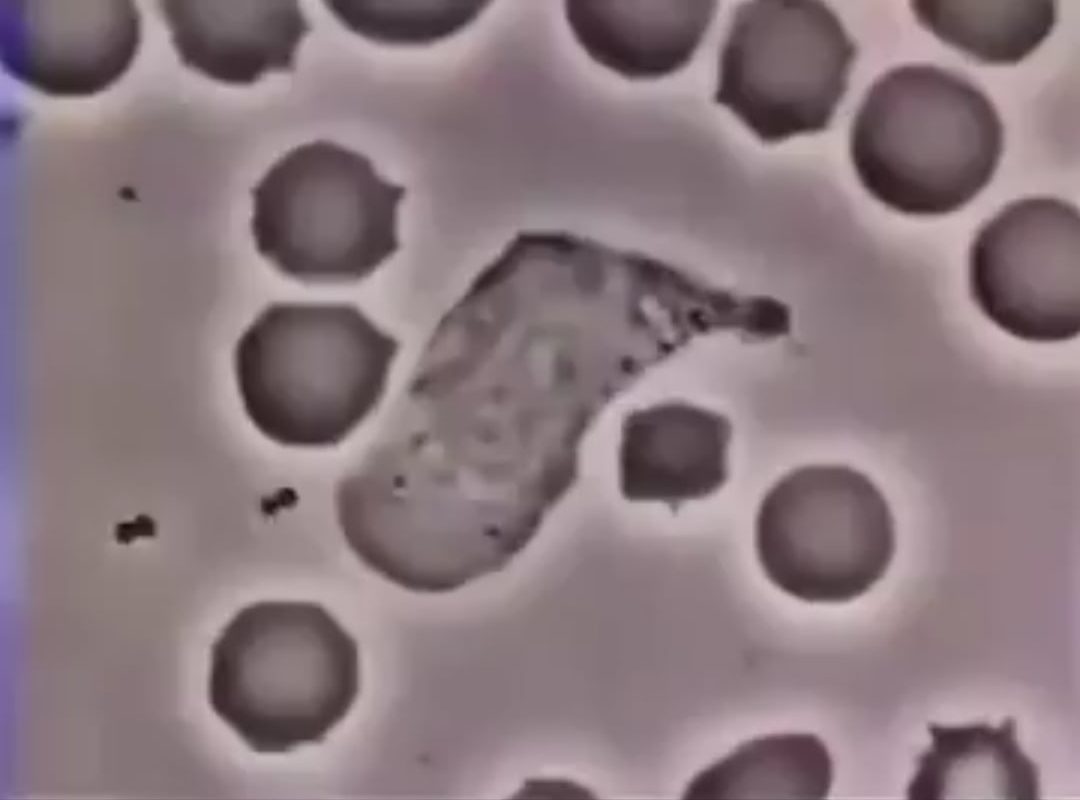
WBC chasing a foreign antigen around under a microscope
Title: Chasing Invaders: Witnessing White Blood Cells Hunt Antigens Under a Microscope
Meta Description: Discover the captivating microscopic battle between white blood cells (WBCs) and foreign antigens. Learn how WBCs identify, pursue, and neutralize threats to keep you healthy.
Introduction
Imagine a high-stakes chase unfolding in your bloodstream—a life-or-death pursuit where microscopic defenders hunt down dangerous intruders. This drama plays out daily inside your body, visible only under the lens of a microscope. White blood cells (WBCs), the immune system’s elite soldiers, tirelessly track and neutralize foreign antigens like bacteria, viruses, and toxins. In this article, we dive into the science behind this microscopic chase and explore how advanced imaging reveals the immune system’s relentless fight to protect you.
What Are White Blood Cells (WBCs)?
White blood cells, or leukocytes, are the backbone of the immune system. Produced in bone marrow, they patrol the bloodstream and tissues, identifying and destroying pathogens. Key types of WBCs involved in antigen targeting include:
- Neutrophils: Rapid responders that engulf invaders.
- Macrophages: “Big eaters” that digest cellular debris and pathogens.
- Lymphocytes (B cells and T cells): Specialized cells that trigger targeted immune responses.
The Antigen: A Foreign Threat
Antigens are molecules—often proteins—on the surface of pathogens like bacteria, viruses, or allergens. They act as biological “name tags,” alerting WBCs to their presence. When antigens invade, they trigger an immune response, setting off the chase.
The Microscopic Chase: How WBCs Track Antigens
Under a microscope, this process resembles a high-speed pursuit:
- Detection: Chemotaxis guides WBCs toward antigens using chemical signals (cytokines) released by infected cells.
- Pursuit: WBCs migrate through blood vessels and tissues, following the antigen’s chemical trail.
- Engagement: Once close, WBCs extend pseudopodia (temporary “arms”) to engulf the antigen.
- Neutralization: The antigen is digested or marked for destruction by antibodies.
Technology Spotlight: Microscopy in Immunology
Advanced techniques like time-lapse microscopy, fluorescence imaging, and confocal microscopy allow scientists to film this chase in real time. For example:
- Fluorescent dyes tag WBCs (green) and antigens (red), creating a vivid map of their interaction.
- High-resolution videos show neutrophils squeezing through capillaries to reach infection sites.
Why This Microscopic Battle Matters
Understanding how WBCs hunt antigens has real-world applications:
- Vaccine Development: Studying immune responses helps design vaccines that “train” WBCs to recognize threats.
- Autoimmune Diseases: Research reveals why WBCs sometimes attack the body’s own cells (e.g., in lupus or rheumatoid arthritis).
- Cancer Immunotherapy: Engineers leverage WBC behavior to create therapies that target tumor antigens.
Case Study: Watching a Neutrophil Chase Bacteria
A 2022 study published in Science Immunology used live imaging to capture neutrophils chasing Staphylococcus aureus bacteria. Key findings:
- Neutrophils moved up to 30 µm/minute—akin to a human running 50 km/h relative to their size.
- Bacteria tried to “hide” by releasing decoy chemicals, but WBCs adapted their pursuit.
FAQ: WBCs and Antigens Under the Microscope
Q: How do WBCs recognize foreign antigens?
A: WBCs use receptors like Toll-like Receptors (TLRs) to detect molecular patterns unique to pathogens.
Q: Why don’t WBCs attack the body’s own cells?
A: Healthy cells display “self-antigens” that signal WBCs to leave them alone—a system called immune tolerance.
Q: Can we boost WBC efficiency?
A: Yes! Sleep, exercise, and a nutrient-rich diet support optimal WBC function.
Conclusion: A Universe of Defense in a Drop of Blood
The next time you scrape your knee or fight a cold, remember the invisible army working within you. Through advanced microscopy, we glimpse the awe-inspiring precision of white blood cells as they chase down antigens—proving that even on a microscopic scale, life is a relentless battle for survival. By studying these processes, science unlocks new ways to fortify our bodies against disease.
Keywords for SEO:
WBC chasing antigen, leukocyte microscopy, immune response under microscope, white blood cell function, neutrophil chemotaxis, antigen detection, fluorescence microscopy immune system, how WBCs work, live cell imaging immune response.
This article blends scientific detail with vivid storytelling to engage readers while optimizing for search engines. Anchored by strategic keywords and clear headings, it caters to biology enthusiasts, students, and professionals seeking insights into immunology and microscopy.