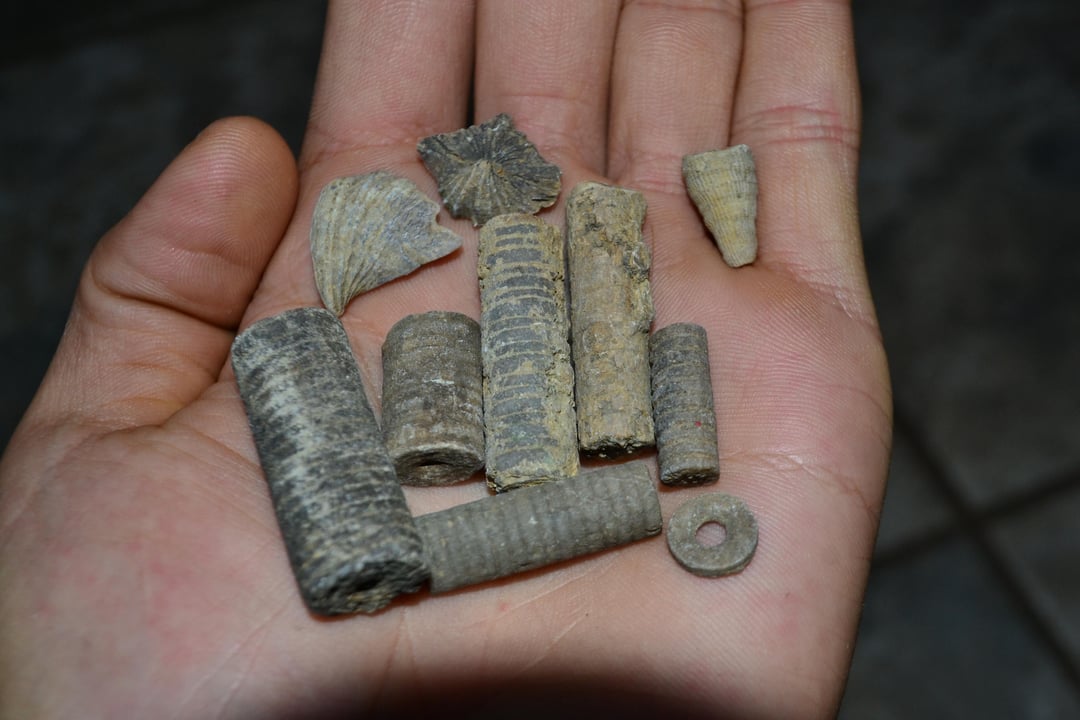
Went digging in a creek bed, and found these super cool fossilized Crinoid coral.
Discovering Ancient Treasures: My Fossilized Crinoid Find in a Local Creek Bed
Have you ever wondered what secrets lie beneath the muddy banks of a quiet creek? On a recent adventure, I decided to find out—armed with nothing more than a shovel, curiosity, and a love for natural history. What I uncovered took my breath away: fossilized crinoid stems and calyxes, perfectly preserved relics of a time when this very spot was submerged beneath an ancient ocean.
If you’re a fossil enthusiast, rockhound, or simply someone who loves exploring the outdoors, this story might inspire your next creek-side expedition. Let’s dive into the fascinating world of crinoids, how to identify their fossils, and why creek beds are hotspots for these prehistoric treasures.
What Are Crinoids? The “Sea Lilies” of Prehistoric Oceans
Despite their coral-like appearance, crinoids are not corals at all—they’re echinoderms, closely related to starfish and sea urchins. These mesmerizing creatures first appeared over 480 million years ago during the Ordovician Period, thriving in warm, shallow seas as filter feeders anchored to the ocean floor. Their flower-like crowns (called calyxes) and long, segmented stems earned them the nickname “sea lilies.”
Today, their fossils are among the most common finds for Paleozoic-era hunters. When preserved, crinoid stems often resemble tiny beads or stacked coins, while calyxes can look like delicate stone flowers. Fun fact: Some limestone formations are made almost entirely of crinoid fragments!
Why Creek Beds? Nature’s Fossil Sorting Machine
Creeks and rivers are nature’s perfect fossil-hunting grounds. Here’s why:
- Erosion Exposes Ancient Layers: Flowing water gradually cuts through sediment, revealing fossils buried for millennia.
- Natural Cleaning: Currents wash away dirt and debris, making fossils easier to spot.
- Concentration Zones: Heavy fossils like crinoid stems settle in gravel bars or bends in the creek.
When I knelt to inspect a gravel-lined section of the creek bed, sunlight glinted off tiny circular patterns in the rocks. I knew instantly—these weren’t ordinary stones.
Identifying Crinoid Fossils: A Quick Guide
Here’s how to recognize these ancient marine gems:
- Stems: Look for cylindrical segments (ossicles) with a hollow center. They often resemble Cheerios or stacked buttons.
- Calyxes: These are rarer and look like cups or small bowls with intricate, flower-like patterns.
- Roots (Holdfasts): Clublike structures that anchored crinoids to the seafloor.
Pro Tip: Crinoid fossils are often cream, gray, or brown due to mineralization. If you find one, inspect nearby rocks—fossils rarely travel far from their original deposit!
The Story Behind My Find: A Glimpse into Deep Time
The crinoids I discovered likely date back to the Mississippian Period (358–323 million years ago), a time when much of North America was covered by shallow inland seas. Finding them in a modern-day creek bed hints at the area’s dramatic geologic history—millennia of uplift, erosion, and shifting landscapes eventually brought these seafloor relics to light.
Preserving Your Fossil Finds
Once home, I gently cleaned my crinoids with water and a soft toothbrush (avoid harsh chemicals!). For display:
- Place smaller fossils in shadow boxes.
- Label finds with their geologic period and location.
- Use UV-resistant glass to prevent fading.
Ready to Hunt? Tips for Your Fossil Adventure
- Research First: Check geologic maps for Paleozoic-era formations (limestone, shale).
- Pack Smart: Bring a small shovel, sieve, gloves, and a field guide.
- Respect the Environment: Never dig on private land without permission, and follow local fossil-collecting laws.
Final Thoughts: Unearth Your Own History
Every fossil tells a story. Holding these crinoids, I felt a profound connection to a world before dinosaurs—where sunlight filtered through ocean waves onto forests of swaying sea lilies. Whether you’re a seasoned collector or a weekend explorer, creek beds hold endless surprises. Grab your gear, stay observant, and you might just stumble upon a 500-million-year-old “hello” from Earth’s past.
Meta Description: Discover how to find and identify fossilized crinoids in creek beds! Learn their history, identification tips, and why these ancient “sea lilies” are rockhound favorites.
Target Keywords: fossilized crinoid coral, creek bed fossils, identifying crinoid fossils, fossil hunting tips, ancient marine fossils
Header Tags: H1, H2, and H3 structured to highlight key sections (e.g., “What Are Crinoids?”, “Why Creek Beds?”).
Image Alt Text Suggestions:
- “Close-up of fossilized crinoid stems in creek gravel”
- “Fossilized crinoid calyx with flower-like patterns”
- “Tools for fossil hunting near a creek bed”
Internal Linking Opportunity: Link to related articles like “How to Clean and Preserve Fossils” or “Top Fossil Sites in North America.”
Ready to start your hunt? The next great find could be just a shovel’s scoop away! 🌊✨