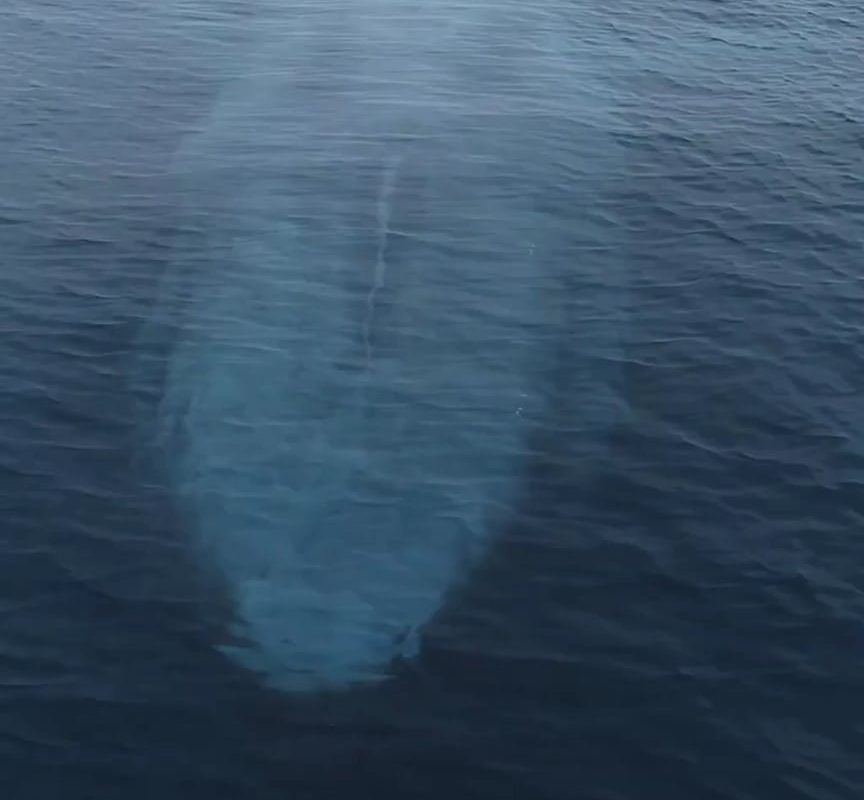
Whale Pump
Meta Title: The Whale Pump: Nature’s Secret to Ocean Health & Carbon Capture
Meta Description: Discover the fascinating “Whale Pump” – how whales fertilize the ocean, support marine biodiversity, and combat climate change. Explore the science & significance here.
The Whale Pump: Nature’s Ocean Fertilizer Explained
When we think of whales, we often imagine majestic creatures breaching the ocean’s surface or singing haunting songs in the deep. But beyond their awe-inspiring beauty, whales play a vital role in sustaining marine ecosystems through a remarkable biological process known as the “Whale Pump.” This natural mechanism not only supports ocean biodiversity but also helps fight climate change. Here’s everything you need to know about one of the ocean’s most underrated ecological engines.
What Is the Whale Pump?
The Whale Pump describes the cyclical process by which whales actively recycle nutrients across ocean layers. Whales dive deep to feed on nutrient-rich prey (like krill and fish) and return to the surface to breathe, rest, and—critically—release nutrient-packed fecal plumes. This vertical movement redistributes essential minerals like iron, nitrogen, and phosphorus from the depths to sunlit surface waters, fertilizing phytoplankton blooms at the base of the marine food web.
How the Whale Pump Works
- Deep Feeding: Whales consume tons of prey in deep or nutrient-dense zones.
- Surface Excretion: At the surface, whales excrete buoyant, liquid-rich feces loaded with nutrients.
- Phytoplankton Boom: These nutrients fuel phytoplankton (microscopic algae) growth through photosynthesis.
- Ripple Effect: Phytoplankton feeds zooplankton, small fish, and eventually larger marine life, creating a thriving food chain.
This process effectively “pumps” life-giving nutrients upward—much like a conveyor belt—enhancing productivity in otherwise nutrient-poor zones.
The Whale Pump’s Impact on Marine Ecosystems
- Biodiversity Hotspots: Nutrient-rich whale feces create biological hotspots, attracting fish, seabirds, and other wildlife. Studies show regions with whale populations support 30% more species diversity.
- Carbon Sequestration: Phytoplankton absorbs CO₂ during photosynthesis. When these organisms die, they sink, trapping carbon in the deep ocean for centuries. The International Monetary Fund (IMF) estimates each great whale sequesters 33 tons of CO₂ on average—making the Whale Pump a key ally against climate change.
- Fisheries Support: Thriving phytoplankton boosts fish stocks, directly benefiting commercial fisheries and coastal communities.
Why Whales Are Irreplaceable
Whales are uniquely efficient at nutrient recycling. Unlike smaller marine animals, whales’ massive size allows them to migrate thousands of miles, spreading nutrients across vast ocean basins. Their iron-rich feces is particularly crucial in the Southern Ocean, where iron scarcity limits phytoplankton growth.
Key Fact: A 2010 study found that in the North Pacific, sperm whales contribute 36 tons of iron to surface waters annually—stimulating enough phytoplankton to capture 240,000 tons of carbon yearly.
Threats to the Whale Pump
Despite its importance, the Whale Pump is at risk:
- Historical Whaling: Industrial whaling killed over 3 million whales in the 20th century, reducing populations by 70–90%. This led to oceanic “deserts” with plummeting productivity.
- Modern Challenges: Ship strikes, entanglement in fishing gear, noise pollution, and climate change continue to threaten whale recovery.
Protecting the Pump: Conservation Efforts
Restoring whale populations could amplify the Whale Pump’s benefits. Initiatives include:
- Marine Protected Areas (MPAs): Safeguarding critical feeding and breeding grounds.
- Ship Speed Reductions: Minimizing collisions in migration corridors.
- Climate Action: Mitigating ocean warming and acidification to preserve marine food webs.
The Bigger Picture: Whales as Climate Engineers
Whales are now recognized as “ecosystem engineers.” Protecting them offers a low-tech, high-impact climate solution. The Whale Pump underscores a profound truth: in nature, everything is connected. By saving whales, we invest in the health of our oceans—and our planet.
Final Thoughts
The Whale Pump is a testament to nature’s genius. It reminds us that the survival of giants like whales is not just about conservation—it’s about maintaining the intricate systems that sustain all life on Earth. Supporting whale recovery isn’t merely an ecological gesture; it’s an urgent step toward a resilient future.
Call to Action: Share this article to spread awareness! Advocate for policies that protect whales and donate to organizations dedicated to marine conservation.
Keywords for SEO: Whale Pump, whale feces nutrient cycle, marine ecosystems, phytoplankton growth, carbon sequestration, whale conservation, ocean fertilization, climate change solutions, whale poop, marine biodiversity.