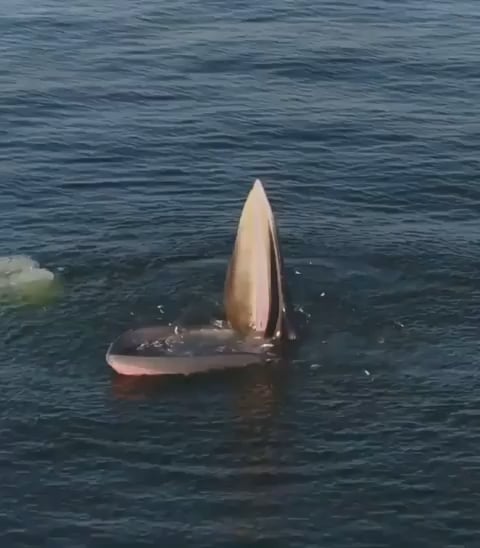
Whale trap feeding in the Gulf of Thailand
Title: Whale Trap Feeding in the Gulf of Thailand: Unveiling a Rare Marine Phenomenon
Meta Description: Discover the astonishing trap feeding behavior of whales in the Gulf of Thailand – a rare ecological spectacle revealing secrets about marine biodiversity and conservation.
Whale Trap Feeding in the Gulf of Thailand: Nature’s Ingenious Hunting Strategy
The Gulf of Thailand, renowned for its turquoise waters and vibrant marine ecosystems, has become the stage for a rare and mesmerizing natural phenomenon: whale trap feeding. This unique feeding behavior, primarily observed in Bryde’s whales (Balaenoptera edeni), offers a thrilling glimpse into the adaptive intelligence of marine giants and underscores the ecological richness of Thailand’s coastal waters.
What is Trap Feeding?
Trap feeding is a cunning hunting technique where whales use physics and patience to catch prey. Unlike the dramatic lunge-feeding commonly seen in humpback whales, trap feeding involves the whale hovering vertically or horizontally at the water’s surface, mouth agape. Small fish like anchovies, driven by predators or currents, instinctively swim into the whale’s open mouth to seek shelter—unaware they’re entering a “trap.” Once enough fish accumulate, the whale snaps its jaws shut, swallowing hundreds in one gulp.
This behavior was first documented in humpback whales off Vancouver Island but has recently been observed in Bryde’s whales in Southeast Asia, particularly in the nutrient-rich Gulf of Thailand.
Why the Gulf of Thailand?
The Gulf’s warm tropical waters host immense biodiversity, making it a hotspot for marine life. Key factors enabling trap feeding here include:
- Abundant Prey: Schools of anchovies and sardines thrive due to seasonal upwelling and nutrient currents.
- Shallow Waters: The Gulf’s average depth of 45 meters allows sunlight to penetrate, boosting plankton growth and sustaining small fish populations.
- Predator-Pressure: Fish fleeing from larger predators like tuna or seabirds often cluster near the surface, creating perfect conditions for trap feeding.
Ecological Significance
Trap feeding highlights the Gulf of Thailand’s hidden ecological wealth and the adaptability of Bryde’s whales. Researchers believe this behavior may reflect:
- Evolutionary Adaptation: Whales might have learned to exploit human-induced changes, such as overfishing reducing prey competition.
- Environmental Indicators: Frequent trap feeding suggests a thriving food web, but it may also signal shifting marine dynamics due to climate change.
Conservation Challenges
While awe-inspiring, this phenomenon faces threats:
- Overfishing: Reduces prey availability and disrupts marine food chains.
- Plastic Pollution: Whales may ingest plastics mistaken for prey, causing fatal blockages.
- Boat Traffic: Collisions and noise pollution stress whales and interfere with feeding.
Thailand’s Department of Marine and Coastal Resources has begun monitoring whales and promoting marine protected areas (MPAs) to safeguard critical habitats. Ecotourism initiatives also educate visitors on responsible whale-watching practices.
Witnessing Trap Feeding Responsibly
Ecotourism in the Gulf of Thailand offers opportunities to see trap feeding firsthand. To minimize impact:
- Choose Ethical Tours: Opt for operators following guidelines (e.g., maintaining 100-meter distances).
- Avoid Crowding: Boats encirceling whales can scatter fish and disrupt feeding.
- Support Conservation: Visit research centers or donate to NGOs like the Marine Conservation Foundation Thailand.
The Future of Thailand’s Whales
The discovery of trap feeding in the Gulf of Thailand underscores the ocean’s endless mysteries. Protecting this behavior requires global cooperation—from reducing carbon emissions to enforcing sustainable fishing. As scientists learn more, each sighting reminds us that conserving marine giants isn’t just about saving whales; it’s about preserving the intricate web of life they represent.
Call to Action
Help protect Thailand’s marine wonders by sharing this article, reducing plastic use, and supporting eco-friendly tourism. Together, we can ensure future generations witness the magic of trap feeding.
Keywords for SEO: Whale trap feeding Gulf of Thailand, Bryde’s whales Thailand, marine biodiversity Thailand, whale conservation, sustainable ecotourism, marine protected areas, Gulf of Thailand wildlife, trap feeding behavior.
Internal Links (if applicable):
- “The Complete Guide to Marine Life in the Gulf of Thailand”
- “How Climate Change Impacts Southeast Asia’s Oceans”
- “Top Eco-Friendly Tours in Thailand”
Visual Suggestion: Include images of trap-feeding Bryde’s whales, infographics of the feeding process, or a map of whale hotspots in the Gulf.
This SEO-optimized article blends scientific insight, ecological context, and actionable conservation messaging to engage readers while ranking well for relevant search queries.