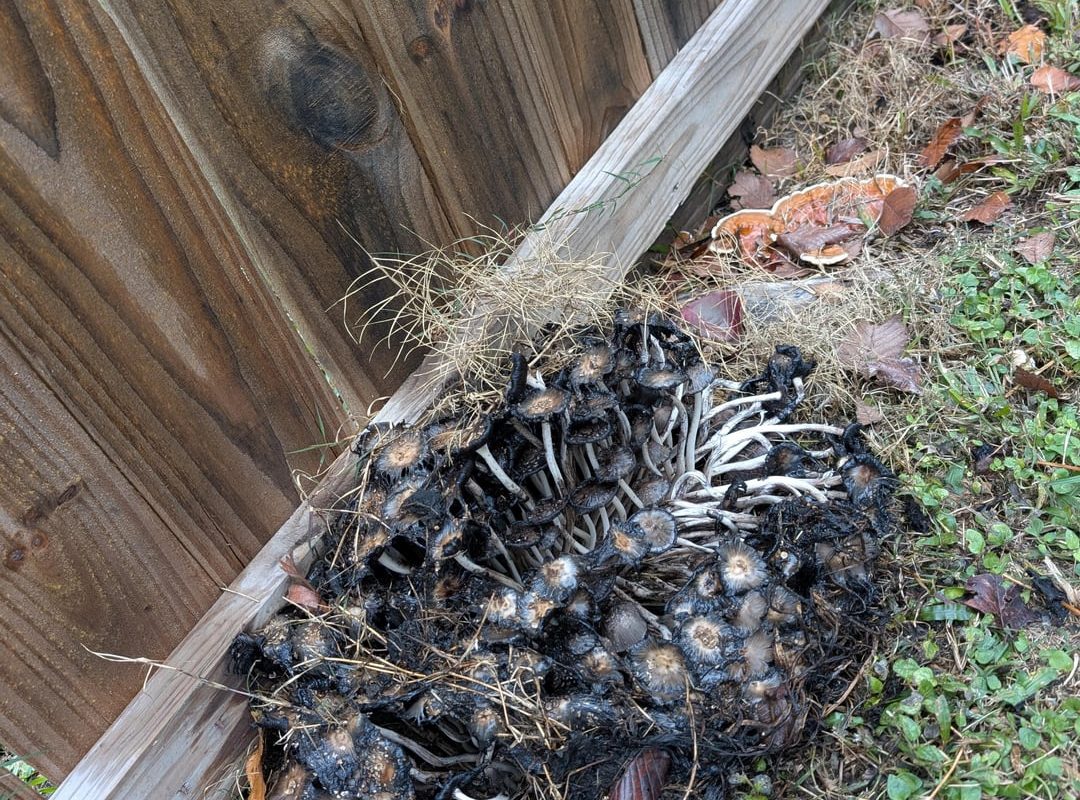
What’s up with this cluster of mushrooms growing in my backyard. Is this just nature doing its things or could I have done something to make this happen? This is the second time a cluster like this has grown in that exact same spot. It’s dead, slimy and stinks.
Why Are Mushrooms Growing in My Backyard? Decoding Nature’s Mystery
Discovering a cluster of mushrooms in your backyard can spark curiosity and concern—especially if they reappear in the same spot, looking slimy, dead, and foul-smelling. Are you unintentionally causing this, or is nature simply running its course? Let’s explore why mushrooms thrive in yards, what their presence means, and how to safely address the issue.
Why Mushrooms Grow in Backyards: Nature’s Tiny Ecosystem Engineers
Mushrooms are the fruiting bodies of fungi living underground. Their sudden appearance is rarely a sign of human error but rather evidence of a hidden network breaking down organic matter. Here’s what fuels their growth:
-
Decaying Organic Matter
Fungi feed on dead wood, tree roots, mulch, or buried debris. If your yard has old tree stumps, excess mulch, or buried construction materials, mushrooms will likely appear—twice in the same spot suggests lingering nutrients there. -
Moisture & Shade
Mushrooms thrive in damp, shaded areas. Overwatering your lawn, poor drainage, or heavy rainfall can create ideal conditions. -
Healthy Soil Biology
Fungi improve soil health by recycling nutrients! Their presence often signals fertile soil, though some species may compete with plants.
Why Is This Mushroom Cluster Slimy, Dead, and Stinky?
The revolting sight of decaying, odorous mushrooms raises red flags. Common culprits include:
- Stinkhorn Mushrooms (Phallaceae Family): Often emit a rotting smell to attract flies, which spread their spores. They grow rapidly, collapse into slime, and vanish—only to return if their food source remains.
- Older Mushrooms: Most mushrooms have short lifespans. As they decay, they become slimy, dark, and smelly.
- Potential Toxicity: Never touch or taste unknown mushrooms! Some toxic species (e.g., Clathrus archeri) mimic this description.
Did I Cause the Mushrooms to Grow?
While nature is the primary driver, certain actions can encourage fungi:
✅ Overwatering or Poor Drainage: Creates persistently damp soil.
✅ Using Wood Mulch: Untreated mulch or wood chips provide a feast for fungi.
✅ Leaving Dead Roots or Logs: Buried wood under lawns is a common trigger.
Rest assured—mushrooms aren’t caused by neglect and rarely harm lawns. They’re simply decomposers doing their job!
How to Remove Mushrooms and Prevent Regrowth
To stop the smelly cycle without harming your yard’s ecosystem:
- Remove Visible Mushrooms: Wear gloves, gently pull them out (including stems), and discard in sealed bags. Don’t mow over them—this spreads spores!
- Reduce Moisture: Improve drainage, avoid overwatering, and aerate compacted soil.
- Clear Organic Debris: Dig out buried wood, old roots, or excess mulch from the area.
- Sunlight Exposure: Trim overhanging branches to increase light in shaded spots.
Caution: Fungicides are rarely effective and harm beneficial soil life. Focus on fixing the conditions, not just the mushrooms.
When to Worry: Red Flags
While most backyard mushrooms are harmless, consult a professional if:
- Pets or children ingest them (contact Poison Control immediately).
- Mushrooms grow near edible plants or vegetable gardens.
- You suspect toxic species (e.g., destroying angels, death caps).
The Bottom Line
A recurring cluster of dead, smelly mushrooms is usually nature’s cleanup crew recycling organic waste—not your fault. While unsettling, they highlight your soil’s health. By managing moisture and debris, you’ll discourage future growth without disrupting your yard’s balance. Embrace this quirky side of ecology—or take simple steps to reclaim your spot!
Meta Description: “Wondering why slimy, stinky mushrooms keep growing in your backyard? Learn why fungi thrive there, whether you’re to blame, and how to safely remove them without harsh chemicals.”
Keywords: backyard mushrooms, why mushrooms grow in yard, mushroom cluster in lawn, slimy stinking mushrooms, remove mushrooms from yard, mushrooms growing same spot, stinkhorn fungus