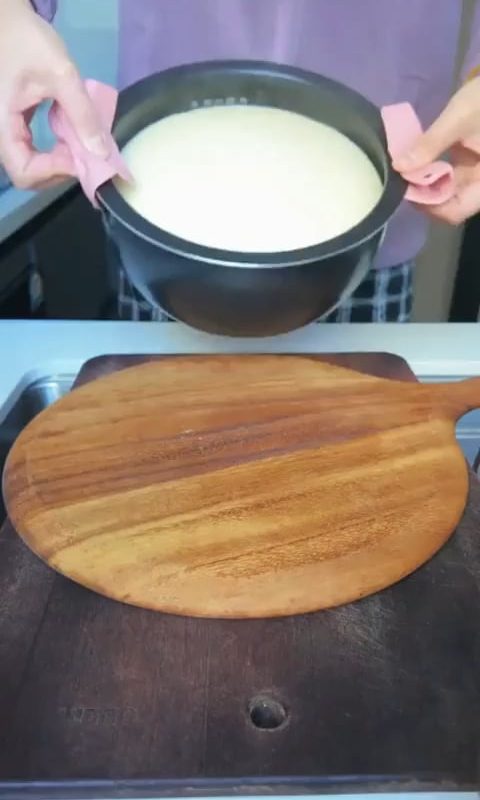
when your cake come out flawless
The Sweet Satisfaction: What It Means When Your Cake Comes Out Flawless (And How to Replicate That Magic Every Time)
There’s no feeling quite like pulling a cake out of the oven and realizing it’s perfect. The edges are golden but not burnt, the top springs back gently to the touch, and the aroma alone promises greatness. A flawless cake isn’t just luck—it’s the result of precision, understanding, and a few baking secrets. Whether you’re a beginner or a seasoned baker, achieving cake perfection is a milestone worth celebrating (and repeating!).
In this guide, we’ll explore why your cake turned out impeccably, how to spot the signs of baking success, and practical tips to ensure every future bake rises to the occasion.
What Does a “Flawless” Cake Look Like? The 3 Hallmarks of Success
A flawless cake isn’t just pretty—it’s structurally sound, moist, and flavorful. Here’s how to recognize one:
-
The Visual Perfection
- Even Rise: The cake has domed slightly or sits perfectly level (no sunken centers or lopsided slopes).
- Golden Hue: Edges and top are uniformly golden, without dark spots or pale patches.
- Tactile Test: The surface springs back when lightly pressed—no sticky or doughy residue.
-
The Texture Triumph
- Moist Crumb: When cut, the interior is tender and moist, not dry or gummy.
- No Tunnel Vision: Air pockets (tunnels) are minimal, indicating proper mixing technique.
- Fluffy Yet Dense Enough: Light but holds its shape—ideal for layering or frosting.
-
The Flavor Win
- Balanced sweetness and pronounced flavor (vanilla? chocolate? citrus?) without any bitterness or raw aftertaste.
Why Did Your Cake Come Out Perfect? 5 Behind-the-Scenes Reasons
Success leaves clues! Here’s why this bake was a triumph:
-
Ingredient Prep Was On Point
- Room-Temperature Ingredients: Cold eggs or butter can sabotage texture. Your patience paid off!
- Precise Measuring: Too much flour = dryness; too little = collapse. You nailed the ratios.
-
The Mixing Method Mattered
- Creaming butter and sugar properly (until pale and fluffy) incorporated air for lift.
- Gentle folding of dry ingredients prevented gluten overdevelopment (a common cause of toughness).
-
Oven Accuracy Played Hero
- Your oven temperature was likely calibrated correctly. Even a 25°F discrepancy can ruin cakes.
- No frequent door-opening! Heat stayed consistent for even baking.
-
Pan Choices Made a Difference
- Light-colored pans promote even browning. Dark pans can over-bake edges.
- Proper greasing/flouring (or parchment paper) ensured easy release without sticking.
-
Timing Was Everything
- You pulled the cake out at the right moment—not underbaked (soggy) or overbaked (dry).
How to Replicate Flawless Cakes: 5 Pro Tips for Consistency
Turn your lucky strike into a repeatable masterpiece:
-
Invest in an Oven Thermometer
Most oven dials lie! A $10 thermometer ensures the temperature matches the settings. -
Weigh Ingredients (Don’t Just Cup-and-Scoop)
Flour compaction varies. A kitchen scale guarantees accuracy (±2 grams matters!). -
Rotate Mid-Bake
For even browning, rotate pans 180 degrees halfway through baking (unless using a convection oven). -
Use the Toothpick Test Wisely
Insert a toothpick near the center—it should emerge with a few moist crumbs (not wet batter or bone-dry). -
Cool Like a Pro
- Let cakes rest in pans for 10–15 minutes before transferring to a wire rack.
- Cool completely before frosting to prevent melting or tearing.
FAQs: Solving Cake Mysteries
Q: Why did my cake sink after rising?
A: Often due to underbaking, overmixing, or opening the oven door too early.
Q: How do I fix dry cake layers?
A: Brush with simple syrup (equal parts sugar + water) before frosting for moisture.
Q: Why is the top cracked?
A: Oven too hot! Lower temperature by 25°F next time, or use a heating core for dense batters.
Final Thoughts: Celebrate Your Victory—Then Bake Again!
A flawless cake is a testament to your skills. Whether it was meticulous prep, intuitive timing, or a dash of baking intuition, you’ve unlocked the formula. Now, replicate it! Keep a baking journal noting oven temps, brand of flour, and bake times—these details help troubleshoot future bakes.
The best part? Every perfect cake builds confidence. So slice that masterpiece, savor the crumb, and share it proudly. After all, #CakeWins are meant to be celebrated!
Ready to level up? Explore our guides on [Foolproof Frosting Techniques] and [The Science of Cake Moisture] to turn flawless cakes into showstoppers!
Meta Description: Discover why your cake came out flawless and how to replicate perfection every time! Learn the science behind even rises, moist crumbs, and bakery-quality results.