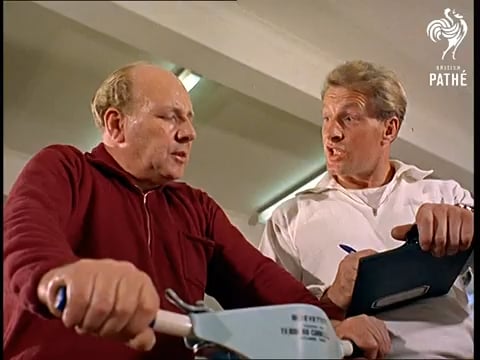
Working out at the gym in 1966.
Meta Title: Pumping Iron in the Swingin’ Sixties: What Gym Culture Looked Like in 1966
Meta Description: Step back in time to 1966! Discover how gyms operated, the equipment used, and the fitness trends that defined workouts during the golden age of bodybuilding.
Working Out at the Gym in 1966: A Journey to the Golden Age of Iron
The 1960s were a transformative decade—rock ’n’ roll, space races, and cultural revolutions dominated the zeitgeist. But nestled in the shadows of these icons was a quieter movement: the birth of modern fitness culture. By 1966, gyms (or “health clubs,” as they were often called) were far from the sleek, tech-filled spaces we know today. Instead, they were gritty, intense, and driven by a pure passion for strength. Let’s revisit what it was like to work out in 1966.
The Gyms: Dungeons of Iron and Sweat
In 1966, commercial gyms were rare and niche. Most were small, no-frills spaces—often tucked into basements, warehouses, or converted garages. These “dungeons” catered primarily to bodybuilders, weightlifters, and athletes.
- Muscle Beach Legacy: California’s Venice Beach was already a mecca for fitness pioneers. Gold’s Gym, opened just a year earlier in 1965, was gaining traction as a hub for legends like Larry Scott (the first Mr. Olympia) and a young Arnold Schwarzenegger.
- Amenities? What Amenities?: Forget saunas, smoothie bars, or Wi-Fi. Gym floors were concrete, mirrors were scarce, and ventilation was often an open window. Equipment was rudimentary, and the air smelled of leather, sweat, and chalk.
- Membership Demographics: Women were a rarity—gyms were overwhelmingly male-dominated. Fitness for women at the time leaned toward home aerobics or light calisthenics, influenced by icons like Jack LaLanne.
Equipment: Bare Bones Basics
High-tech machines and guided systems were nonexistent. Workouts revolved around raw strength and functional movements:
-
Free Weights Rule: Barbells, dumbbells, and plate-loaded machines were king. Iconic equipment included:
- York Barbells: The industry standard, favored by Olympic lifters.
- Universal Machines: Early pulley-based cable systems, seen as cutting-edge for the era.
- Primitive Benches: Adjustable benches for presses, often welded by hand.
-
No Cardio Corners: Treadmills and ellipticals hadn’t yet entered mainstream gyms. For conditioning, athletes ran outdoors, jumped rope, or hit punching bags.
-
DIY Vibes: Many gyms featured homemade equipment. Think tractor tires for flips, thick ropes for climbing, and sandbags for functional training.
Training Philosophy: Lift Heavy, Eat Big
1966 was the heyday of classic bodybuilding and strength-focused routines. Influenced by icons like Reg Park and Bill Pearl, workouts prioritized:
- Split Routines: Bodybuilders trained one muscle group per day (e.g., “chest Monday,” “back Tuesday”).
- Low Reps, High Volume: Sets of 5-10 reps for mass, with pyramid sets (increasing weight each set) as a staple.
- Full-Bone Exercises: Squats, deadlifts, bench presses, rows, and overhead presses formed the core of every program. Isolation moves? Rare.
Supplements? Minimalist:
- Protein powder (often unpalatable chalky mixes).
- Whole foods like eggs, steak, and milk—the “gallon-a-day” diet was legendary.
- Steroids were creeping into the sport but remained taboo and unregulated.
The Culture: Brotherhood and Grunt Work
Gyms in 1966 weren’t just fitness centers—they were social clubs built on camaraderie and competition.
- No Phones, No Egos: Distractions were nonexistent. Lifters shared tips, spotted each other, and bonded over shared goals.
- Magazine Mania: Muscle & Fitness (founded by Joe Weider in 1946) and Strength & Health were bibles for routines and nutrition.
- Soundtrack: Radios played Motown, The Beatles, or The Rolling Stones—but most gyms relied on the clang of weights and grunts of effort.
The Fashion: Function Over Style
Workout gear was utilitarian:
- Cotton Everything: Baggy sweatshirts, gray sweatpants, or basic shorts.
- Leather Belts: Worn for heavy lifts, often handcrafted.
- Footwear: Converse Chuck Taylors or wrestling shoes—no Air Jordans yet!
How 1966 Shaped Modern Fitness
The ethos of 1966 laid groundwork for today’s fitness boom:
- Rise of Bodybuilding: Competitions like Mr. Olympia (founded in 1965) brought prestige to the sport.
- Health Consciousness: Jack LaLanne’s TV show popularized exercise for longevity.
- Functional Focus: The era’s emphasis on compound lifts resonates in today’s CrossFit and powerlifting trends.
Final Rep: A Nostalgic Takeaway
Working out in 1966 wasn’t about luxury or Insta-worthy aesthetics—it was about grit, passion, and the pursuit of raw strength. While today’s gyms offer convenience and variety, the spirit of ’66 reminds us that greatness is built with simple tools, iron will, and a community that pushes you to lift harder.
Whether you’re a vintage fitness buff or a modern athlete, there’s something timeless about the clang of a barbell and the smell of chalk—a legacy that started in dungeons over half a century ago.
Keywords for SEO: 1966 gym culture, retro fitness, vintage workout equipment, bodybuilding history, 1960s health clubs, Golden Era bodybuilding, old-school workouts