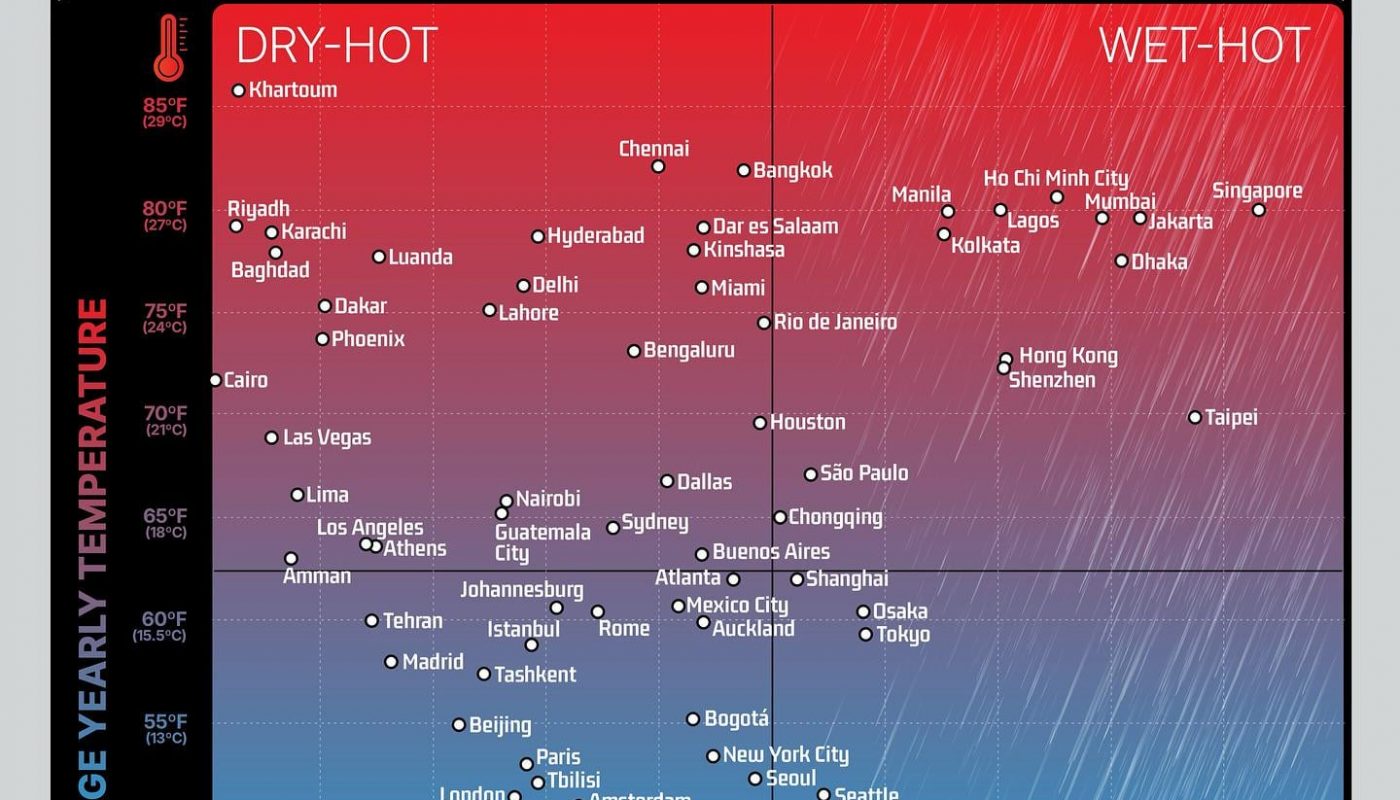
World cities by climate
Title: Exploring World Cities by Climate: Your Guide to Global Weather Patterns
Meta Description: Discover how the world’s major cities are categorized by climate. From tropical paradises to polar extremes, explore what makes each city unique in terms of weather and seasons.
Introduction
Climate plays a pivotal role in shaping the lifestyle, culture, and even architecture of cities around the globe. Whether you’re planning a trip, relocating, or simply curious about how weather patterns define urban life, understanding world cities by climate can offer valuable insights. This guide breaks down major global destinations into their climatic zones, highlighting key characteristics, seasonal trends, and what makes each city stand out.
What Determines a City’s Climate?
Climate classification relies on factors like temperature, precipitation, humidity, and seasonal variations. The Köppen-Geiger system, the most widely used model, categorizes climates into five primary groups:
- Tropical (hot and humid year-round)
- Arid/Dry (low rainfall, extreme temperatures)
- Temperate (moderate seasons with warm summers and mild winters)
- Continental (dramatic seasonal shifts with cold winters and warm summers)
- Polar (bitterly cold, with minimal sunlight in winter)
Next, let’s explore iconic cities within each category.
1. Tropical Climate Cities
Characterized by warm temperatures (averaging 18°C/64°F or higher) and abundant rainfall, tropical cities often feature lush greenery and vibrant ecosystems.
- Rio de Janeiro, Brazil
- Climate Type: Tropical savanna (Aw)
- Highlights: Hot summers, mild winters, and rainy seasons from December to March. Famous for its beach culture and Carnival festivities.
- Singapore
- Climate Type: Tropical rainforest (Af)
- Highlights: Equatorial warmth year-round, high humidity, and frequent afternoon thunderstorms. A hub for business and green urban design.
- Mumbai, India
- Climate Type: Tropical wet and dry (Am)
- Highlights: Monsoon-dominated (June–September), with sweltering pre-monsoon heat and cooler winters.
Best For: Sun-seekers and travelers who enjoy vibrant street life and outdoor adventures.
2. Arid/Dry Climate Cities
These cities endure limited rainfall and extreme temperature swings between day and night.
- Dubai, UAE
- Climate Type: Hot desert (BWh)
- Highlights: Scorching summers (up to 45°C/113°F), mild winters, and almost no rain. A futuristic oasis built around air-conditioned comfort.
- Phoenix, USA
- Climate Type: Hot desert (BWh)
- Highlights: One of America’s hottest cities, with relentless summer heat and pleasant winter temperatures ideal for hiking.
- Lima, Peru
- Climate Type: Mild desert (BWh/BWk)
- Highlights: Minimal rainfall, mild temperatures year-round, and persistent coastal fog (“garúa”).
Best For: Warmth lovers who prefer low humidity and sunny skies.
3. Temperate Climate Cities
Temperate zones enjoy four distinct seasons without extreme heat or cold. Ideal for diverse outdoor activities.
- Barcelona, Spain
- Climate Type: Mediterranean (Csa)
- Highlights: Mild, wet winters and hot, dry summers. Perfect for beach visits in July and cultural tours in spring.
- Sydney, Australia
- Climate Type: Humid subtropical (Cfa)
- Highlights: Warm summers, cool winters, and even rainfall distribution. Iconic beaches and outdoor festivals thrive in its balanced climate.
- Cape Town, South Africa
- Climate Type: Mediterranean (Csb)
- Highlights: Dry summers, wet winters, and legendary scenery. Winter (June–August) brings rain but fewer tourists.
Best For: Travelers seeking variety – from snowy winters to sunny summers.
4. Continental Climate Cities
These cities experience sharp seasonal contrasts with warm-to-hot summers and cold, snowy winters.
- Toronto, Canada
- Climate Type: Humid continental (Dfa)
- Highlights: Freezing winters (-10°C/14°F) and hot, humid summers (25°C/77°F). A multicultural hub with dynamic seasonal festivals.
- Moscow, Russia
- Climate Type: Hemiboreal (Dfb)
- Highlights: Subzero winters (down to -20°C/-4°F) and brief, warm summers. Famous for its snowy landscapes and historic architecture.
- Beijing, China
- Climate Type: Monsoon-influenced humid continental (Dwa)
- Highlights: Dry, frigid winters and hot, rainy summers. Spring and autumn offer pleasant sightseeing weather.
Best For: Those who embrace winter sports and seasonal transitions.
5. Polar Climate Cities
These lie near the poles or at high elevations, enduring long, harsh winters and short, cool summers.
- Reykjavik, Iceland
- Climate Type: Subpolar oceanic (Cfc)
- Highlights: Chilly year-round (averaging 1–12°C/34–54°F), with near-24-hour daylight in summer and aurora-filled winters.
- Murmansk, Russia
- Climate Type: Subarctic (Dfc)
- Highlights: Polar nights in winter (no sunrise for 40 days) and midnight sun summers. A gateway to Arctic exploration.
- Ushuaia, Argentina
- Climate Type: Subpolar oceanic (Cfc)
- Highlights: The world’s southernmost city, with cool summers and snowy winters. A launchpad for Antarctic cruises.
Best For: Adventurers and aurora chasers seeking otherworldly landscapes.
Choosing Your Ideal Climate City
When selecting a city based on climate, consider:
- Lifestyle Preferences: Do you thrive in heat or prefer snowy winters?
- Health Considerations: Humidity affects respiratory health; dry heat may suit arthritis sufferers.
- Activities: Skiing or beaches? Festivals or cozy indoor cafes?
Cities like San Francisco (mild Mediterranean) or Lisbon (sunny Atlantic) offer year-round appeal for those seeking balance.
Frequently Asked Questions
Q1: Which world city has the best weather year-round?
A: San Diego, USA, boasts a Mediterranean-like climate with mild temperatures (15–25°C/59–77°F) and minimal rain.
Q2: What is the rainiest major city?
A: Hilo, Hawaii (USA), averages 3,200 mm (126 inches) annually. Among non-tropical cities, Bergen, Norway, is Europe’s rainiest.
Q3: Which cities never get snow?**
A: Tropical cities like Singapore, Mumbai, and Cairo almost never see snowfall.
Conclusion
From the steamy jungles of Rio to the icy vistas of Reykjavik, world cities offer a stunning diversity of climates. Understanding these patterns not only helps travelers pack appropriately but also reveals how weather shapes culture and daily life. Whether you crave eternal sunshine or dream of a winter wonderland, there’s a city on this planet perfectly suited to your climate preferences.
Keyword Tags: world cities by climate, climate classification, best climate cities, Köppen climate zones, cities with good weather