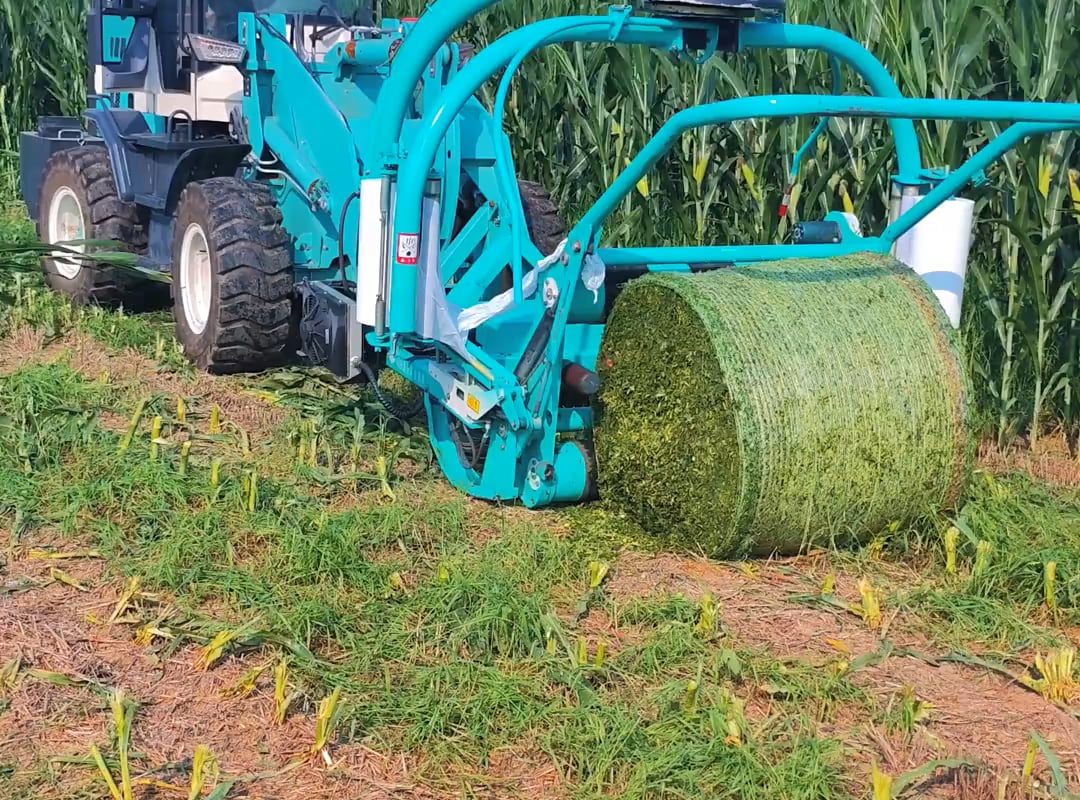
wrapping chopped grass into a big plastic bale
The Ultimate Guide to Wrapping Chopped Grass into Plastic Bales: Benefits, Process & Equipment
Plastic-wrapped bales of chopped grass, also known as baled silage or haylage, are revolutionizing forage preservation for farmers worldwide. This efficient method combines the convenience of baling with the nutritional benefits of fermentation, creating high-quality livestock feed while minimizing waste. In this comprehensive guide, we’ll break down how wrapping grass into plastic bales works, its key advantages, and best practices for success.
Why Wrap Grass in Plastic? The Science of Silage
When freshly chopped grass is tightly compressed into bales and sealed in plastic wrap, it undergoes anaerobic fermentation (without oxygen). This process preserves nutrients, locks in moisture, and significantly reduces spoilage compared to traditional dry hay.
- Key Benefits:
- ⭐ Nutrient Retention: Fermentation preserves proteins, sugars, and vitamins better than sun-drying.
- ⭐ Weatherproof: Plastic protects against rain, mold, and pests—ideal for humid climates.
- ⭐ Faster Harvesting: Wrap grass at 40-60% moisture (vs. 15-20% for hay)—cutting field drying time by days.
- ⭐ Flexibility: Smaller bales suit small farms; large bales (4×5 ft or bigger) maximize efficiency.
Step-by-Step: How to Wrap Chopped Grass into Plastic Bales
1. Cutting & Conditioning
- Mow grass (e.g., ryegrass, alfalfa, clover) at peak nutrition—early flowering stage.
- Condition stems to accelerate moisture loss using a roller or flail.
2. Baling at Optimal Moisture
- Aim for 50-55% moisture content (too dry: poor fermentation; too wet: clostridial spoilage).
- Use a chopping baler with a kernel processor for finer chop consistency, boosting fermentation.
3. Wrapping the Bales
- Wrap immediately after baling to prevent spoilage.
- Plastic Layers: Apply 6-8 layers of UV-stabilized stretch film (e.g., Silotite®) using a bale wrapper.
- Rotation: In-line wrappers handle 30+ bales/hr; individual wrappers rotate bales for 360° coverage.
4. Storage & Fermentation
- Store bales on leveled ground, avoiding sharp debris.
- Fermentation takes 2-3 weeks. Properly wrapped bales last 12-18 months.
Essential Equipment for Baled Silage
| Tool | Purpose |
|---|---|
| Chopping Baler | Harvests and chops grass into dense, uniform bales. Brands: John Deere, Claas. |
| Bale Wrapper | Applies plastic wrap. Types: Individual (single bales) vs. In-line (multiple bales). |
| Silage Film | Specialized 25-micron plastic; black/white to block UV and reduce heating. |
| Moisture Tester | Critical for pre-baling moisture checks. (Tip: Squeeze test—grass should drip slightly). |
Solving Common Challenges
- Plastic Tears? Patch immediately with UV-resistant tape. Check for rodent/insect damage.
- Poor Fermentation? Ensure tight baling, adequate moisture, and fast wrapping. Add inoculants to boost lactic acid bacteria.
- Disposing of Plastic: Recycle via agricultural plastic collection programs—never burn!
Why Farmers Choose Wrapped Grass Bales
- Cost-Effective: Less equipment than pit silage. No need for barn storage.
- Sustainability: Up to 90% dry matter recovery vs. 70% in traditional hay.
- Feed Quality: Livestock prefer the sweet, tangy taste of silage—boosting milk/meat yields.
Final Tips for Success
- Test Grass Quality – Use a forage lab to analyze dry matter, pH (<4.5 ideal), and protein.
- Monitor Weather – Avoid rained-on grass to prevent botulism risk.
- Invest in Training – Wrapper calibration and bale density impact longevity.
Wrapping chopped grass into plastic bales maximizes efficiency, nutrition, and profitability in modern farming. With the right tools and timing, this method offers a weather-resilient alternative to haymaking or bunker silage—transforming your forage into premium feed.
Newsletter Call-to-Action
🔥 Want more agritech tips? Subscribe for guides on bale wrappers, inoculants, and regenerative grazing! 🔥