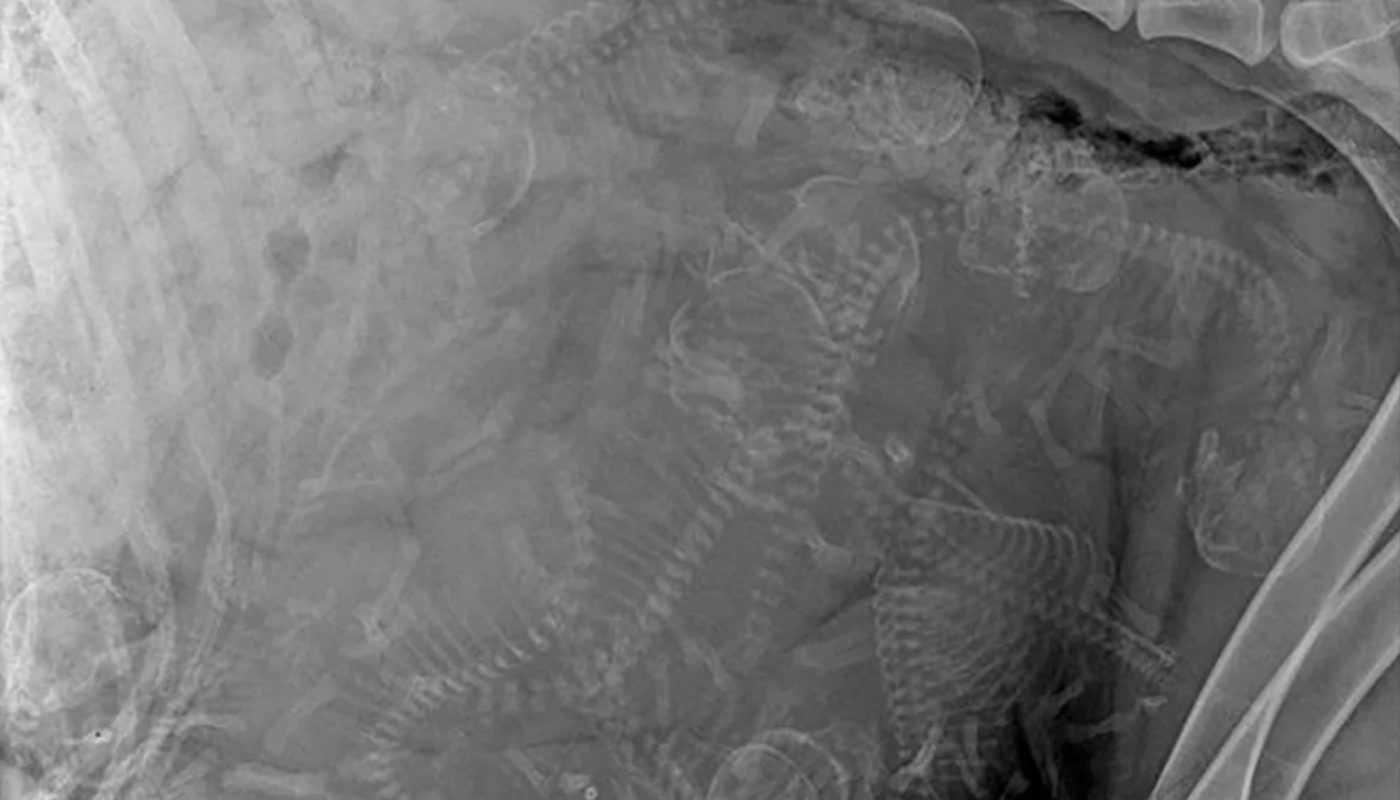
X-Ray of pregnant dog. Not sure how many puppies?
X-Ray of Pregnant Dog: How It Helps When You’re Unsure How Many Puppies to Expect
Wondering how many puppies your dog is carrying? An X-ray (radiograph) is one of the most reliable and commonly recommended methods to estimate litter size, assess puppy positioning, and prepare for a safe delivery—especially when you’re unsure what to expect. In this guide, we’ll cover how X-rays help during canine pregnancy, what to expect, safety concerns, and alternatives to consider.
Why Would a Pregnant Dog Need an X-Ray?
X-rays are typically recommended in the final trimester of a dog’s pregnancy (around Day 45–55 post-breeding). At this stage, puppies’ skeletons mineralize enough to be visible on imaging. A vet may suggest an X-ray to:
- Count fetal skeletons to estimate litter size.
- Check for risks like oversized puppies or abnormal positioning.
- Identify complications (e.g., a retained puppy during labor).
- Plan for emergencies, such as a C-section.
How Accurate Is an X-Ray for Counting Puppies?
While X-rays are the gold standard for estimating litter size, accuracy depends on several factors:
- Overlapping puppies: Skeletons can overlap, making it hard to distinguish individuals.
- Fetal movement: Active pups may shift during imaging.
- Breed size: Small litters in large breeds (e.g., Great Danes) are easier to count than large litters in small breeds (e.g., Dachshunds).
Tip: Vets often take multiple angles (e.g., side and belly views) to improve accuracy. Expect a margin of error of ±1–2 puppies.
Is It Safe to X-Ray a Pregnant Dog?
Yes, when performed correctly. Modern digital X-rays use minimal radiation, and vets take precautions like:
- Shielding the dog’s thyroid/abdomen with lead aprons.
- Using the lowest necessary radiation dose.
- Limiting sessions to 1–2 brief scans late in pregnancy.
Risks are low, but talk to your vet if your dog has health issues or if early-term X-rays are suggested (rarely done due to fetal sensitivity).
Pros vs. Cons of Pregnancy X-Rays
| Pros | Cons |
|---|---|
| Confirms pregnancy. | Requires sedation if dogs are anxious. |
| Estimates litter size. | Minor radiation exposure. |
| Detects delivery risks. | Not 100% accurate for puppy count. |
| Helps plan for birth complications. | Less effective early in pregnancy. |
When Should You Avoid X-Rays?
- Early pregnancy: Skeletons aren’t visible before Day 42. Opt for ultrasound instead.
- High-risk pregnancies: Dogs with infections or heart conditions may need gentler options.
- Owner concerns: If you prefer zero radiation, discuss alternatives.
Ultrasound vs. X-Ray: Which Is Better?
Two main imaging tools are used in canine pregnancy:
- Ultrasound
- Best for: Early pregnancy detection (Day 21+), checking fetal heartbeats, and viability.
- Limitation: Poor at counting puppies (accuracy: ~40%).
- X-Ray
- Best for: Late-term puppy count, skeletal development, and birth planning.
Verdict: Many vets recommend both—ultrasound early on and X-rays near delivery.
Preparing Your Dog for an X-Ray
- Fasting: Withhold food 8–12 hours before in case sedation is needed.
- Comfort: Bring a favorite blanket to reduce stress.
- Timing: Schedule after Day 45 for clear results.
FAQs About X-Rays in Pregnant Dogs
Q: Can an X-ray tell if my dog needs a C-section?
A: Yes! It can spot puppies too large for the birth canal or abnormally positioned.
Q: How much does it cost?
A: Typically $100–$300, depending on location and clinic.
Q: Can I X-ray my dog at home?
A: No—this requires veterinary expertise and specialized equipment.
Final Tips for Dog Owners
- Trust your vet: They’ll recommend imaging based on your dog’s needs.
- Focus on health: An X-ray’s slight risks are outweighed by its life-saving insights.
- Keep records: Save the X-ray images to share with emergency vets if birthing issues arise.
Whether your dog is expecting 3 puppies or 10, an X-ray ensures you’re prepared for a smooth delivery. Always consult your vet to decide the best approach for your furry family!
🔍 Want more info? Check out our guides on [Signs of Labor in Dogs] and [Newborn Puppy Care].
Disclaimer: This content is for informational purposes only. Always consult a licensed veterinarian for medical advice.