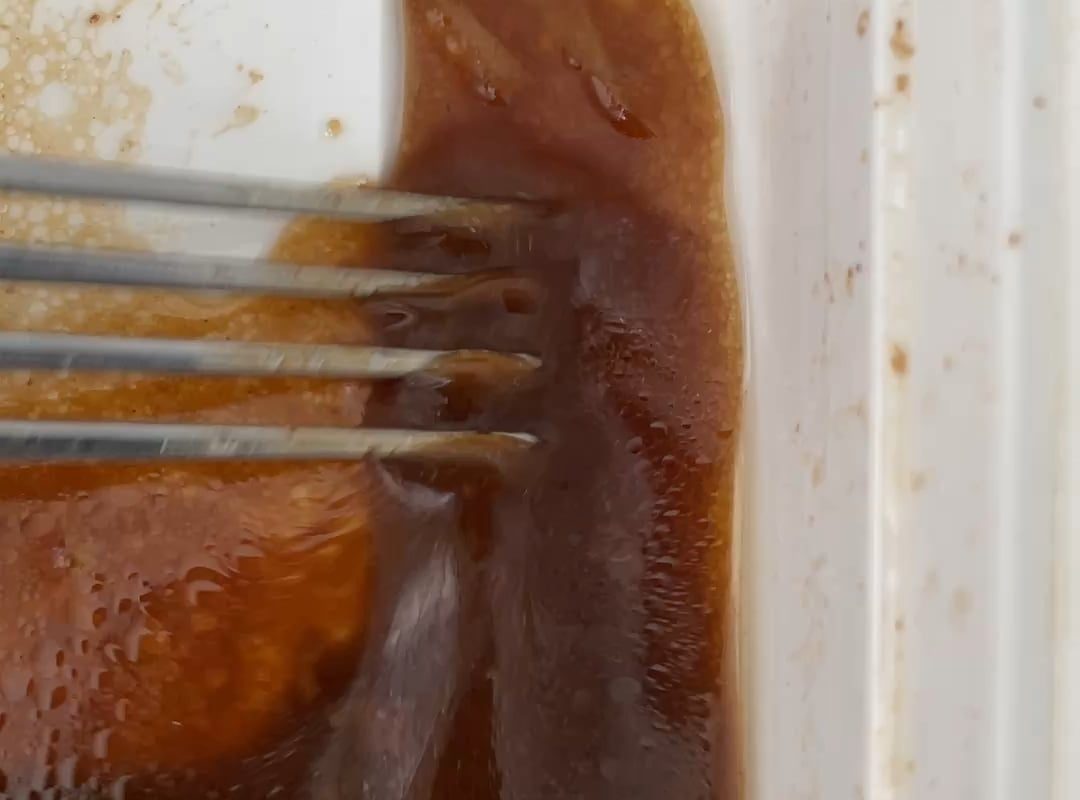
You can see the fat mixed in the sauce separating
Title: Why Is Fat Separating in My Sauce? (And How to Fix It)
Ever notice an unappetizing layer of oil pooling on your pasta sauce or gravy? Or maybe tiny droplets of fat floating in your otherwise velvety cheese sauce? This common kitchen frustration, known as sauce separation, happens when fats and liquids break apart instead of staying blended. The good news? It’s preventable—and fixable! In this guide, we’ll dive into why fat separation happens and share chef-approved tricks to save your sauces.
The Science Behind Sauce Separation
Sauces are often emulsions: mixtures of fat and water-based liquids (like broth, tomatoes, or wine) that are naturally reluctant to blend. When an emulsion breaks, fat rises to the surface. This happens due to:
- Temperature extremes: High heat destabilizes emulsions.
- Rapid cooling or reheating: Sudden temperature changes shock the sauce.
- Lack of emulsifiers: Ingredients like mustard, egg yolks, or starch bind fat and liquid.
- Over-stirring or under-stirring: Agitation affects stability.
Common sauces prone to separation include tomato-based sauces (marinara), cream sauces, gravies, and cheese sauces.
Top Causes of Fat Separation in Sauces
-
High Heat
Boiling emulsified sauces forces fat molecules to expand and break free.
Fix: Simmer sauces gently—never boil. -
Quick Temperature Changes
Adding cold cream to hot sauce (or reheating too fast) shocks the emulsion.
Fix: Temper ingredients—gradually warm dairy or broth before adding. -
Insufficient Emulsifiers
Without binders (like flour, cornstarch, or egg yolks), fat and liquid split.
Fix: Add 1 tsp mustard, a roux, or a slurry (cornstarch + water) to stabilize. -
Over-Stirring After Cooking
Vigorous stirring as sauces cool can rupture delicate emulsions.
Fix: Stir gently off-heat or let sauces rest before serving. -
Wrong Fat-to-Liquid Ratio
Too much fat overwhelms the sauce’s ability to hold it in suspension.
Fix: Balance richness with acid (lemon juice, vinegar) or broth.
How to Prevent Fat Separation
▶️ Use Emulsifying Agents
- Mustard or mayo: Works wonders in vinaigrettes and creamy sauces.
- Egg yolks: Ideal for Hollandaise or carbonara.
- Starches: Flour (roux) or cornstarch (slurry) thicken and stabilize.
▶️ Add Fat Slowly
Whisk oil or butter into sauces gradually, letting it incorporate fully.
▶️ Control Temperature
- Keep sauces at a low simmer.
- Reheat slowly on low heat and avoid microwaving creamy sauces.
▶️ Balance Ingredients
Acidic components (wine, tomatoes) help emulsify fats—don’t skip them!
▶️ Let Sauces Rest
Allow sauces to sit for 2–3 minutes off-heat; fat will redistribute.
How to Fix a Separated Sauce (Quick Fixes!)
-
Re-Emulsify
Whisk in 1–2 tbsp of hot water or broth while heating the sauce gently. -
Add an Emulsifier
Stir in a teaspoon of Dijon mustard, mayo, or heavy cream. -
Use a Thickener
Mix 1 tbsp cornstarch with 2 tbsp cold water, then whisk into the sauce. -
Stir in Fat Slowly
For oily sauces, remove from heat and whisk in fat bit by bit. -
Blend It
Use an immersion blender to force the emulsion back together.
Pro Tip: Embrace Imperfection
Some dishes, like rustic soups or chili, benefit from a little fat floating on top—it adds flavor! But for smooth sauces, these tricks ensure silky, cohesive results.
Final Takeaway
Fat separation is a fixable hiccup, not a kitchen disaster! By controlling heat, using emulsifiers, and adding fats slowly, you’ll keep sauces perfectly blended. Next time you spot oil pooling, stay calm—grab your whisk and save the dish!
Keywords for SEO: prevent sauce separation, fix oily sauce, why sauces break, emulsion in cooking, how to fix broken sauce, fat separation in gravy, creamy sauce troubleshooting, save split sauce, avoid oily pasta sauce, cooking emulsion tips.