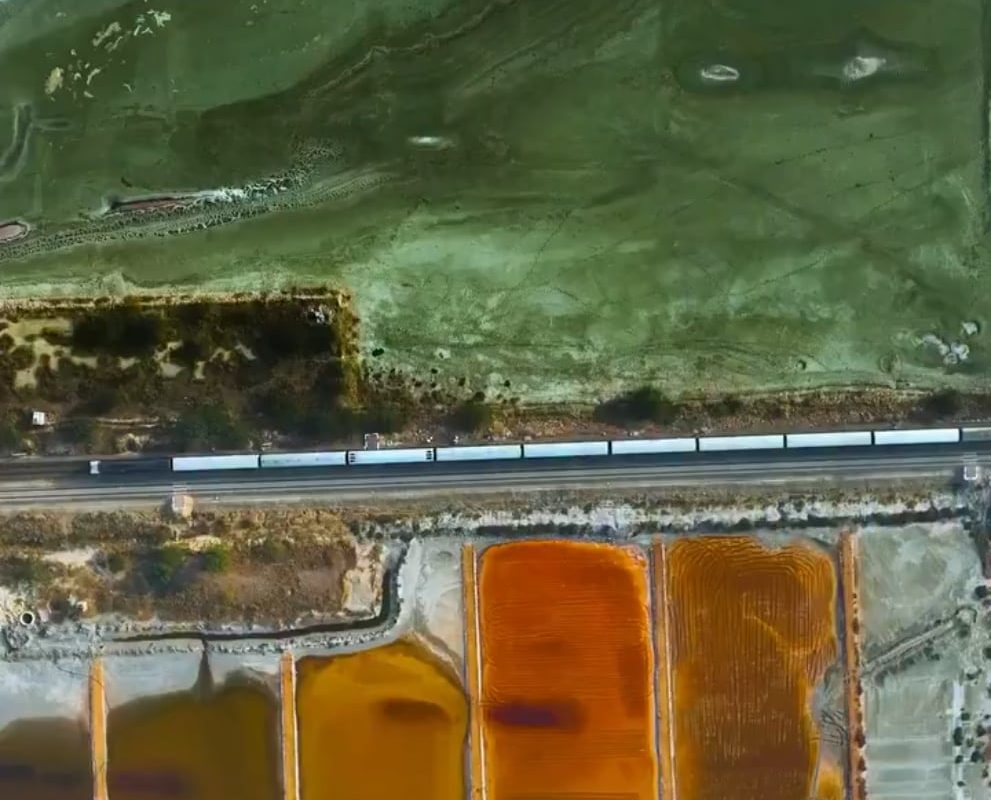
A Train passing through the salt extraction area of sambhar Lake in the Indian state of Rajasthan
Title: A Scenic Journey: The Train Ride Through Sambhar Lake’s Salt Pans in Rajasthan
Meta Description: Discover the mesmerizing train journey through Sambhar Lake, Rajasthan—India’s largest saltwater lake. Explore the blend of natural beauty, cultural heritage, and salt extraction traditions in this unique travel experience.
Introduction: Rajasthan’s Hidden Gem on Rails
Rajasthan, India’s “Land of Kings,” is celebrated for its deserts, palaces, and vibrant culture. Yet one of its most surreal experiences lies off the beaten track: a train ride through the Sambhar Lake salt extraction area. This journey offers travelers a front-row seat to a starkly beautiful landscape where the gleaming white salt pans stretch endlessly beneath the Rajasthani sun. Whether you’re a photographer, a culture enthusiast, or simply seeking tranquility, this route is a visual masterpiece and a testament to human ingenuity.
Sambhar Lake: India’s Salt Bowl
Sambhar Lake, Rajasthan’s crown jewel of saline ecosystems, holds the title of India’s largest inland salt lake. Spanning 230 square kilometers across Jaipur, Nagaur, and Ajmer districts, it produces over 9% of India’s salt. For centuries, communities have harnessed the lake’s brine through evaporation techniques, creating intricate geometric salt pans that shimmer like mosaics in the arid landscape.
As your train glides past, you’ll witness workers in vibrant turbans skillfully harvesting salt—a timeless practice unchanged by modernity. The lake is also an ecological haven, attracting migratory birds like flamingos and pelicans during winter, adding bursts of color to the monochrome expanse.
The Train Route: A Symphony of Scenery
The railways cutting through Sambhar Lake connect key cities like Jaipur and Ajmer, making this stretch accessible to travelers on popular routes such as:
- Jaipur–Ajmer Passenger Trains
- Delhi–Mumbai Rail Line (Western Railway zone)
Key Highlights of the Journey:
- The Salt Pan Vista: As the train approaches Sambhar, the terrain transforms into a hypnotic vista of salt evaporation ponds, dyked and divided like a colossal chessboard.
- Wildlife Encounters: Keep your camera ready for flocks of migratory birds nested along the lake’s fringes.
- Cultural Snapshot: Pass through small villages where life revolves around salt harvesting, offering glimpses of Rajasthan’s rural resilience.
Why This Train Ride Stands Out
Unlike Rajasthan’s crowded forts or bustling bazaars, the Sambhar Lake route provides solitude and raw beauty. The juxtaposition of the rust-colored Thar Desert against the blinding white salt flats creates an almost lunar landscape. For photography enthusiasts, the golden hour (dawn/dusk) paints the pans in ethereal hues, making it a bucket-list moment.
Tips for Travelers
- Best Time to Visit: October–March offers pleasant weather and birdwatching opportunities. Summers (April–June) are scorching but showcase the salt harvest at its peak.
- Train Options: Opt for slower passenger trains (e.g., Jaipur–Ajmer MEMU) for unrushed views. Book a window seat on the right side (west-facing) for optimal panoramas.
- Extend Your Trip: Combine your journey with visits to nearby attractions like:
- Sambhar Lake Town: Explore ancient Shakambhari Devi Temple.
- Ajmer Sharif Dargah: A revered Sufi shrine.
- Pushkar: Just 80 km away, famed for its sacred lake and camel fair.
The Ecological & Economic Significance
Beyond its beauty, Sambhar Lake is a lifeline for Rajasthan’s economy. The salt produced here fuels industries nationwide, while the lake’s delicate ecosystem faces challenges like water depletion and pollution. Sustainable tourism—such as respecting workers’ spaces and avoiding plastic—can help preserve this unique environment.
FAQ Section
Q: Which railway station is closest to Sambhar Lake?
A: Nawa City Station (NWC) is the primary stop near the lake’s salt pans.
Q: Can tourists visit the salt extraction sites?
A: Yes! Sambhar Salt Works Limited organizes tours explaining the evaporation process (prior permission required).
Q: How does Sambhar compare to Gujarat’s Rann of Kutch?
A: While the Rann is larger, Sambhar offers an authentic, crowd-free experience steeped in local tradition.
Conclusion: A Journey Through Time and Terrain
A train ride through Sambhar Lake isn’t just a commute—it’s an immersion into Rajasthan’s lesser-known soul. As the wheels clatter past the salt pans, you’ll witness nature, industry, and culture harmonizing in a spectacle that lingers long after the journey ends. Whether you’re tracing India’s rail heritage or chasing unseen landscapes, Sambhar’s saline expanse promises an unforgettable chapter in your travel diary.
Book your ticket, gaze out the window, and let Rajasthan’s salt-stained magic unfold.
Target Keywords: Sambhar Lake train journey, train through salt pans Rajasthan, Sambhar salt lake Rajasthan, scenic train rides India, Rajasthan offbeat travel