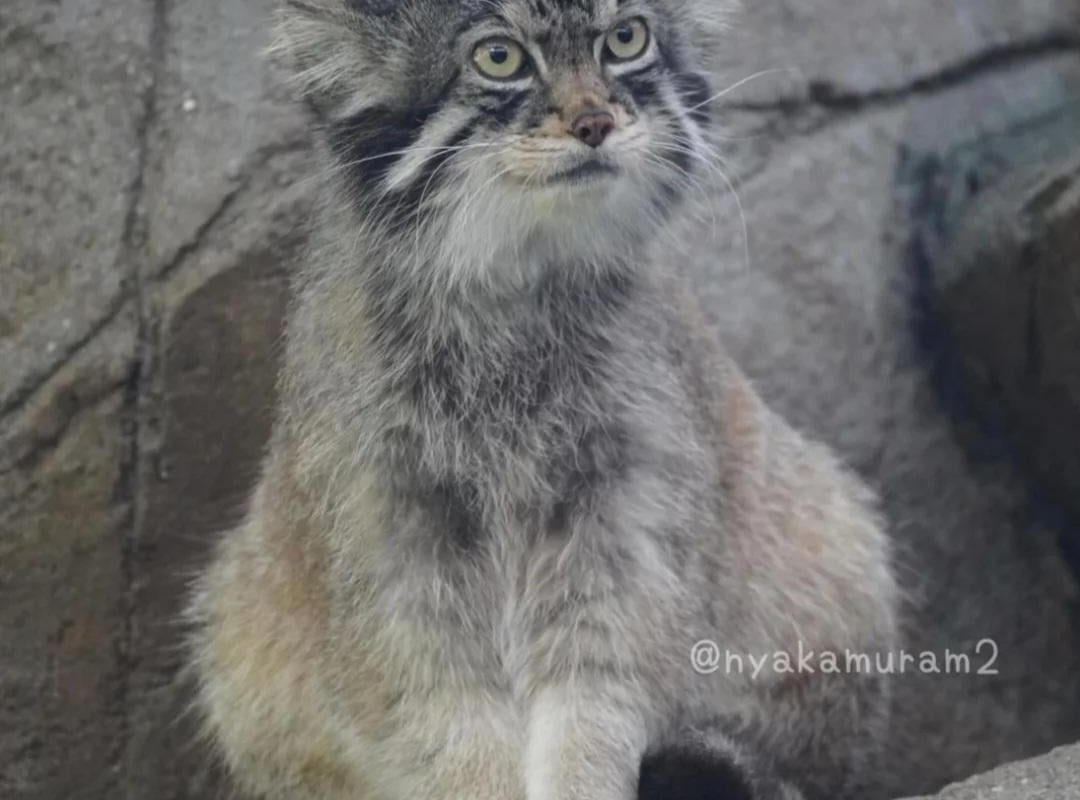
Pallas Cat in their summer vs winter fur
Title: Pallas Cat Fur Transformation: How Their Coat Adapts From Summer to Winter
Meta Description: Discover how Pallas cats (Manuls) survive extreme climates with seasonal fur changes. Explore the differences between their summer and winter coats, plus the science behind this incredible adaptation.
Introduction: The Pallas Cat’s Fluffy Secret to Survival
The Pallas cat (Otocolobus manul), often called the “fluffiest wild cat on Earth,” thrives in some of the harshest environments across Central Asia’s steppes and mountains. One of its most remarkable survival tools? A fur coat that transforms dramatically between summer and winter. In this article, we’ll break down how these enigmatic felines adapt to scorching summers and freezing winters through their incredible coats—and why their fur is key to their survival.
Winter Fur: A Masterclass in Insulation
During winter, Pallas cats resemble fluffy, round balls of fur—a look driven by necessity. Temperatures in their high-altitude habitats can plunge to -50°F (-45°C), and their winter coat is engineered for maximum warmth:
-
Density & Length:
- Their fur grows up to twice as long in winter (around 2 inches/5 cm) compared to summer.
- Underfur density skyrockets, creating a downy underlayer that traps body heat.
- Guard hairs become coarser and thicker, repelling wind and snow.
-
Color & Camouflage:
- Winter coats turn paler and grayer, blending seamlessly with snowy rocks and frost-covered grasslands.
- Dark facial markings (like the iconic “tear streaks”) remain visible, but overall coloration shifts to muted tones.
-
Thermal Benefits:
- The fur even covers their paws, acting as natural “snow boots” against icy terrain.
- Their fluffed-up appearance isn’t just cute—it reduces heat loss by trapping air close to the body.
Summer Fur: Lightweight Survival Mode
As temperatures soar to 100°F (38°C) in summer, Pallas cats shed their heavy winter coats to avoid overheating. Their summer fur is sleek but still functional:
-
Shorter & Sleeker:
- Fur shortens to less than 1 inch (2.5 cm) and lies flat against the body for better airflow.
- The dense underfur thins significantly, preventing insulation overload.
-
Warmer Color Palette:
- Summer coats adopt ochre, russet, or sandy tones, matching the arid grasslands and rocky slopes.
- Darker banding on the tail and faint stripes on the body become more pronounced.
-
Practical Trade-Offs:
- While less insulating, the shorter fur still protects against UV radiation and abrasive terrain.
- Sparse fur on the belly helps regulate temperature when lying on cool ground.
Summer vs. Winter Fur: Key Differences
| Feature | Winter Fur | Summer Fur |
|---|---|---|
| Length | 2 inches (5 cm) long | <1 inch (2.5 cm) |
| Density | Ultra-thick underfur | Thin, breathable underlayer |
| Color | Pale gray, muted tones | Sandy, russet, striped |
| Weight | Heavy (15% of body weight!) | Lightweight |
| Function | Heat retention, camouflage | Cooling, UV protection |
Why Do Pallas Cats Change Their Fur?
-
Temperature Regulation:
Their fur acts as a thermostat—thick for winter insulation, thin for summer ventilation. -
Camouflage:
Seasonal color shifts help them stay hidden from predators (eagles, wolves) and prey (pikas, voles). -
Molting Cycle:
Twice a year, Pallas cats undergo rapid molting. Spring shedding can make them look scraggly temporarily!
Habitat Pressures & Climate Impact
Pallas cats inhabit extreme climates from Mongolia to Siberia, where seasonal shifts are brutal. However, climate change threatens this delicate balance:
- Warmer winters may disrupt their molting cycles, leaving them mismatched to their environment.
- Habitat loss reduces the space they need to thrive, making fur adaptations less effective.
Conservation: Protecting the Fluffiest Wild Cat
Listed as Near Threatened by the IUCN, Pallas cats face risks from poaching, rodenticides, and landscape fragmentation. Protecting their habitats ensures these unique felines can continue their ancient cycle of fur transformation.
Conclusion: Nature’s Perfect Winter Coat
The Pallas cat’s fur isn’t just adorable—it’s a marvel of evolutionary engineering. By transforming from a dense winter parka to a sleek summer jacket, this small wild cat epitomizes resilience in Earth’s most unforgiving ecosystems. Whether camouflaged in snow or dust, their fur ensures they remain masters of survival—one season at a time.
Keywords for SEO: Pallas cat fur, Manul coat changes, summer vs winter fur adaptations, Pallas cat winter coat, how Pallas cats stay warm, Pallas cat camouflage, fluffy wild cats, seasonal fur adaptation.
Engagement Prompt: Love wild cats? Share this article to spread awareness about the mysterious Pallas cat! 🐾❄️