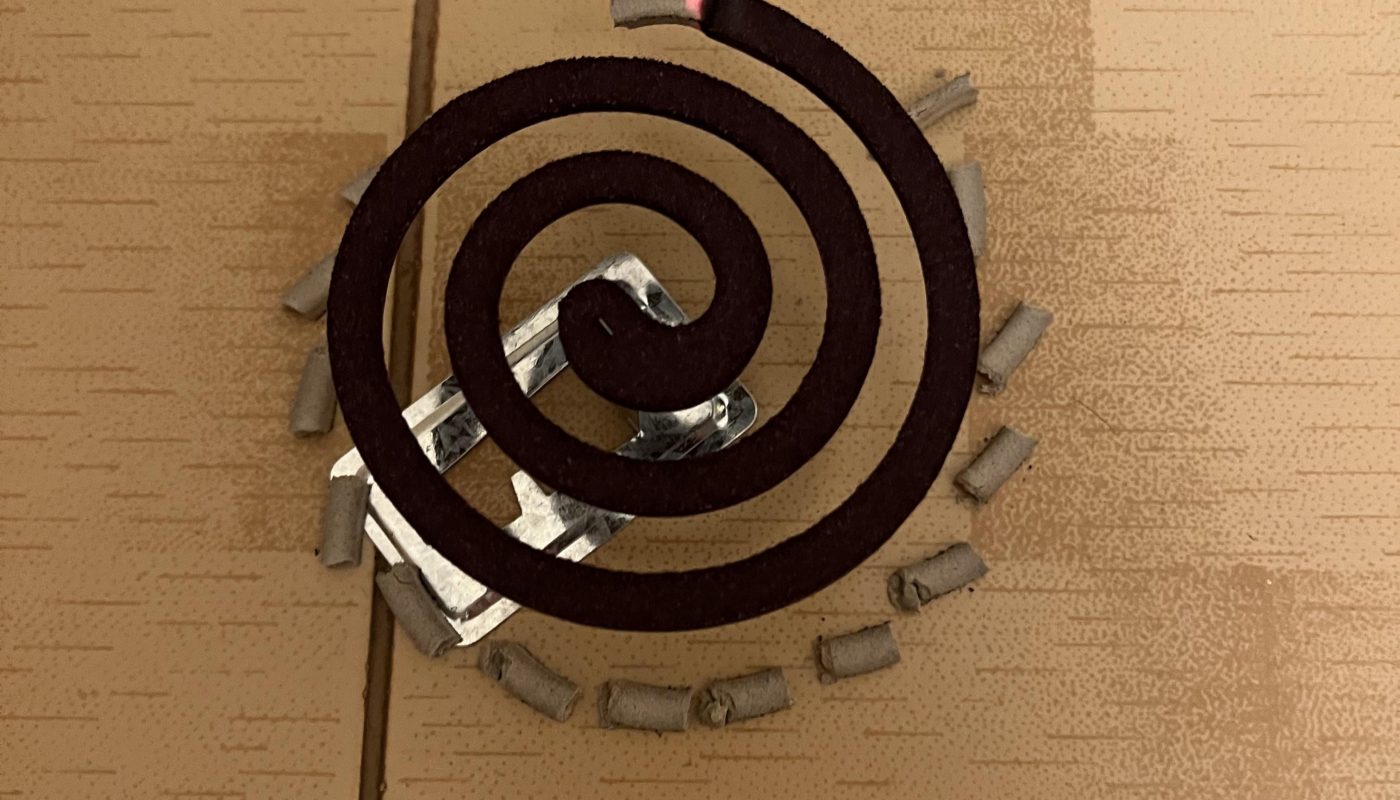
The way the ash falls from the anti mosquito “espiral”
Title: Understanding How Ash Falls from Mosquito Repellent Coils (Espirales) – A Complete Guide
Meta Description: Discover the science behind how ash forms and falls from mosquito repellent coils (espirales), including safety tips and factors affecting their combustion.
Introduction: The Mosquito Coil (Espiral) Phenomenon
Mosquito repellent coils, commonly known as “espirales” in Spanish-speaking regions, have been a go-to solution for warding off mosquitoes for over a century. These compact spirals are designed to slowly burn, releasing insect-repelling smoke. But one curious aspect of their design is the ash they leave behind. Why and how does ash fall as an espiral burns? Let’s dive into the mechanics and science behind this process.
How Mosquito Coils Work: Combustion & Ash Formation
Mosquito coils consist of dried paste made from pyrethrum (a natural insecticide), binding agents like sawdust, and other additives. When lit, the coil undergoes slow combustion, releasing smoke that repels or kills mosquitoes.
The Combustion Process:
- Ignition: The tip is lit, and heat travels outward along the spiral.
- Pyrolysis: The heat breaks down chemical compounds into volatile gases.
- Oxidation: These gases react with oxygen, creating smoke and ash residue.
Ash is the non-combustible remnant of the coil—minerals, fillers, and binding agents that don’t vaporize.
Why Does Ash Fall from the Coil?
Ash accumulates and falls due to three key factors:
1. Gravity & Structural Weakening
As the coil burns, its structure weakens. The ash, lacking adhesive strength, crumbles under its own weight or due to vibrations (e.g., wind, movement).
2. Airflow & Environmental Factors
- Breezes lift and dislodge loose ash.
- Humidity can make ash heavier, accelerating its fall.
3. Coil Design
The spiral shape exposes more surface area to air, allowing ash to shed evenly instead of clumping.
The Ash Falling Pattern: Slow and Steady
Unlike fast-burning materials, mosquito coils are engineered for slow combustion (6–8 hours). Ash falls in a predictable pattern:
- Inner Ring Ash: Falls first as the coil burns inward.
- Outer Ring Ash: Remains intact until the flame progresses.
- Uniform Trails: Ash often collects in a spiral pattern beneath the coil holder.
Safety Concerns with Falling Ash
While ash is non-toxic, improper handling poses risks:
- Fire Hazard: Hot ash can ignite flammable surfaces (wood, fabric).
- Indoor Air Quality: Ash particles may irritate lungs if inhaled.
Safety Tips:
✅ Place coils on non-flammable holders (ceramic, metal).
✅ Use outdoors or in well-ventilated areas.
✅ Keep away from children, pets, and dry foliage.
FAQs About Mosquito Coil Ash
Q: Is mosquito coil ash toxic?
A: Ash itself isn’t toxic but may contain traces of insecticides. Avoid ingestion or prolonged inhalation.
Q: Why does ash sometimes stay intact?
A: High-quality coils with tighter binders produce firmer ash that falls less frequently.
Q: Can I reuse ash?
A: No—ash has no repellent properties after burning. Dispose of it safely.
Conclusion: The Science Behind Fallen Ash
The falling ash from an espiral mosquito coil is a natural result of its combustion process. Its slow-burn design ensures consistent mosquito protection while leaving behind harmless mineral residue. By using coils responsibly—prioritizing ventilation and fire safety—you can enjoy a bite-free environment without unnecessary risks.
Keywords for SEO: Mosquito coil ash, espiral mosquito ash, mosquito coil combustion, how espirales work, mosquito coil safety, ash formation, repel mosquitoes, burning mosquito coils.
Optimized for Search Engines: This article targets keywords like “mosquito coil ash,” “espiral mosquito,” and “how mosquito coils work” to rank for queries related to mosquito repellent safety and mechanics. Visual headers and FAQs improve readability and SEO performance.