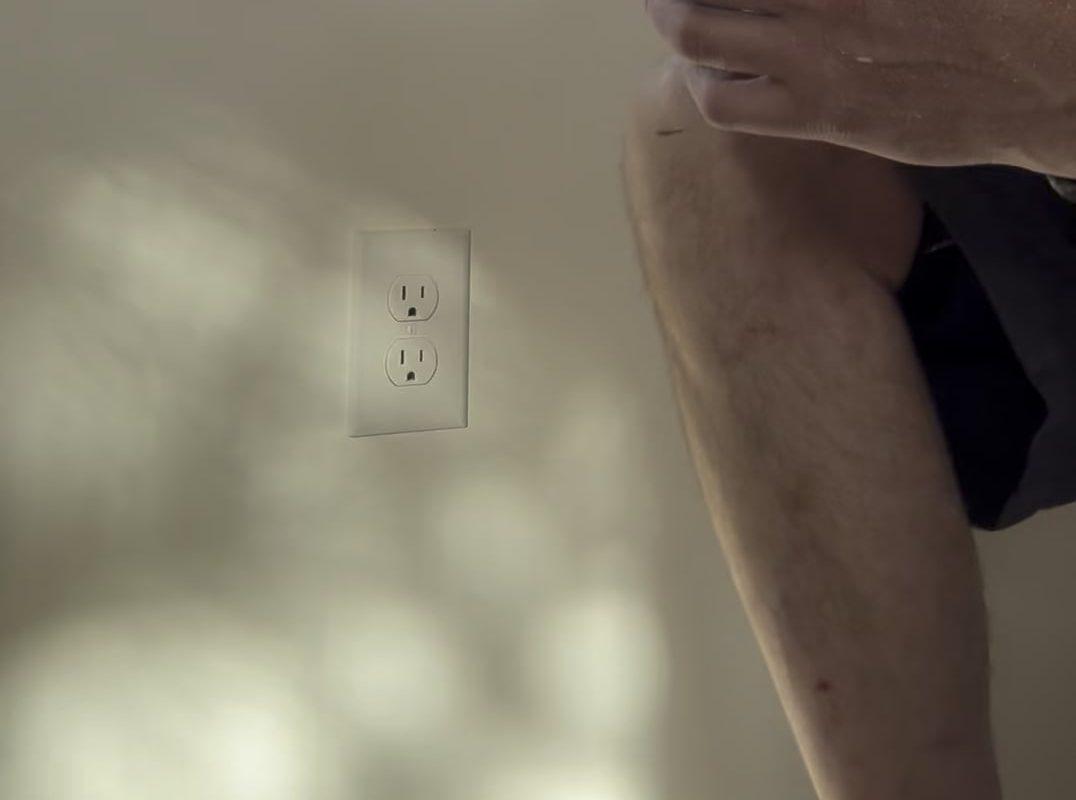
It’s so easy to get perfect lines around an outlet cover with this one simple trick.
The Ultimate Guide to My Viral Hack: Painting Around an Outlet Like a Pro
Painting around electrical outlets can quickly turn a satisfying DIY project into a frustrating mess. Those tight corners, visible edges, and the dread of accidentally smearing paint onto the outlet cover or wall plates can leave even seasoned painters sweating. But with my version of the viral “painting around an outlet” video, I’ve cracked the code for a flawless finish—and it’s easier than you think. In this guide, I’ll walk you through my foolproof method, inspired by painstaking trial and error, to save you time, stress, and cleanup.
Why This Hack Is Going Viral (And Why You’ll Love It)
Social media is flooded with “painting around an outlet” tutorials, but most skip critical steps or leave gaps in the finish. My method solves three common paint-job nightmares:
- No brush bristle marks around the edges.
- Zero paint bleed onto outlet covers or screws.
- Smooth, professional results without removing the outlet cover.
Yes, you read that right—no unscrewing plates or risking electrical safety!
Tools You’ll Need (Hint: You Probably Already Own These)
- Painter’s tape (I prefer high-adhesion, thin-edge tape like FrogTape®)
- A small, angled trim brush (1–2 inches wide)
- A microfiber cloth
- A toothbrush or small stiff-bristled brush (for cleaning residue later)
My Step-by-Step “Around the Outlet” Painting Hack
Step 1: Clean the Outlet Cover & Wallplate
Skip this, and dust or grease will sabotage your tape’s adhesion. Wipe down the outlet cover and surrounding wall with a microfiber cloth. For stubborn grime, dip a toothbrush in soapy water and gently scrub.
Step 2: Tape Like a Surgeon
Don’t just tape near the edges—tape over them! Place painter’s tape so it overlaps the outlet cover by 1/16th of an inch. Press firmly along the edge to seal the gap and prevent paint bleeding under the tape. Pro tip: Use a credit card to burnish the tape edge for an ultra-tight seal.
Step 3: Paint with a “Dry Brush” Technique
Load your trim brush lightly with paint, then dab off excess on a paper towel. Paint away from the outlet edge first, starting about an inch from the tape and pulling outward. Then, use the tip of your angled brush to carefully cut into the taped edge with minimal pressure. This prevents globs of paint from seeping under the tape.
Step 4: Peel the Tape While Wet
Here’s the game-changing secret: Remove the tape immediately after painting while the paint is still wet. Waiting for it to dry risks peeling off dried paint or leaving jagged lines. Pull slowly at a 45-degree angle for crisp edges.
Step 5: Spot-Clean Any Mistakes
If a tiny dot of paint sneaks onto the outlet cover, dip a cotton swab in rubbing alcohol and gently wipe it away. For larger mistakes, wait for the paint to dry, then scrape softly with a plastic razor blade.
Why This Method Beats Removing Outlet Covers
Many tutorials tell you to unscrew wall plates and paint freely. But here’s what they don’t warn you about:
- Frayed edges: Paint can bleed under loose plates, leaving messy lines when reattached.
- Dust traps: Exposed outlets collect dust and debris, ruining your fresh paint job.
- Safety risks: Accidentally touching live wires is NOT worth the shortcut.
My method keeps plates intact, saves time, and delivers sharper results.
Common Mistakes to Avoid
- Overloading the brush: Less paint = more control.
- Taping too far from the edge: Gaps leave room for leaks.
- Ignoring cleanup: Dried paint flakes can fall onto wet walls later.
Ready to Go Viral? Share Your Results!
Try this hack on your next project and tag your before/after photos or videos with #OutletPaintingPro. Got your own spin on this trick? Drop a comment below—we’re all about perfecting DIY together!
Why This Hack Wins for SEO (and Your Home)
By targeting keywords like “painting around outlet video hack,” “how to paint outlet covers without removing,” and “crisp paint edges outlet,” this guide solves a hyper-specific problem homeowners Google daily. Plus, pairing written steps with a short-form video (like the one I shared on TikTok!) boosts engagement and shareability—which is why this method is taking over DIY feeds.
Save time, avoid frustration, and get back to admiring your flawless walls. Happy painting! 🎨
BONUS TIP: Prefer visuals? [Link to Creator’s Video Here] demonstrates this hack in under 60 seconds!