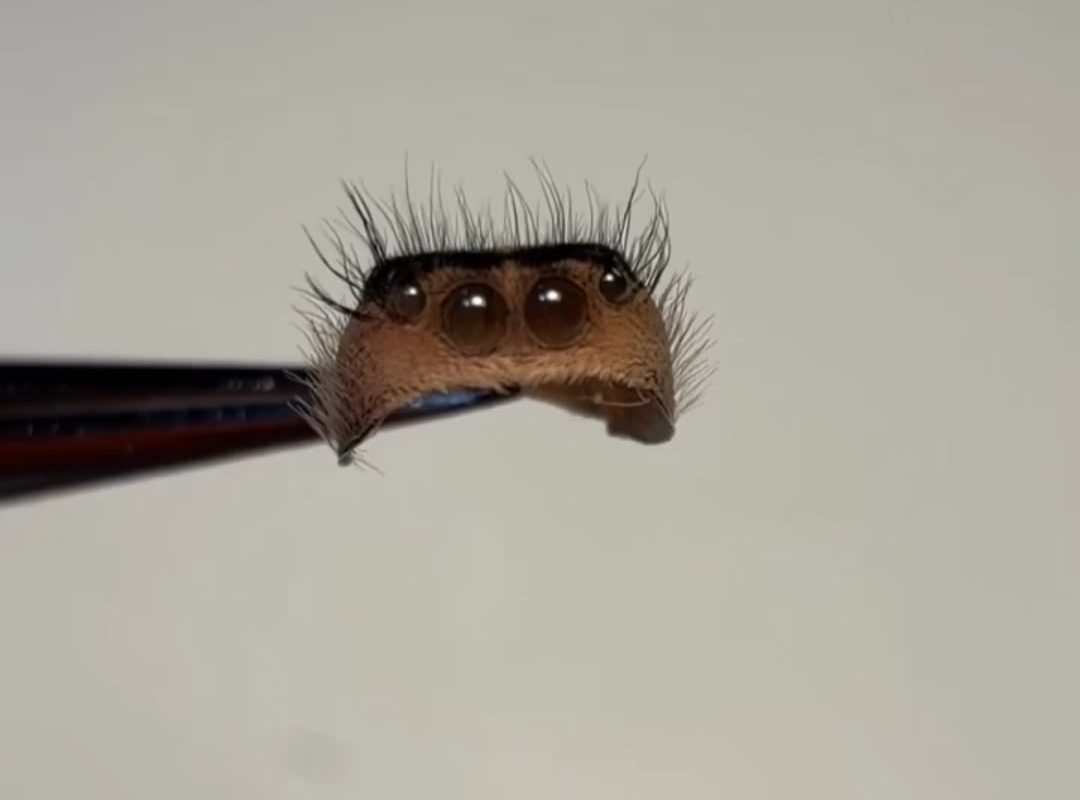
Jumping spider molt
The Fascinating Process of Jumping Spider Molting: A Complete Guide
Jumping spiders (family Salticidae) are among nature’s most agile and charismatic arachnids, captivating enthusiasts with their curious behavior and acrobatic hunting skills. But behind their energetic antics lies a critical biological process: molting. In this article, we’ll explore the intricacies of jumping spider molting, why it’s essential, and how to support your eight-legged friend during this vulnerable phase.
What Is Molting?
Molting, or ecdysis, is the process by which spiders shed their rigid exoskeleton to accommodate growth or repair damage. Unlike mammals, spiders have an external skeleton (exoskeleton) made of chitin, which doesn’t stretch as they grow. To expand in size, they must periodically discard their old exoskeleton and form a new, larger one.
Jumping spiders typically molt 5–10 times throughout their lives, depending on the species and gender (females molt more than males). The final molt marks their transition to adulthood, after which they stop growing.
The Molting Process: Step-by-Step
1. Pre-Molt Preparation
Days or weeks before molting, a jumping spider displays subtle changes:
- Reduced appetite: It stops eating to empty its digestive tract.
- Lethargy: Less movement and web-spinning.
- Color changes: The abdomen may darken as the new exoskeleton forms beneath the old one.
- Web-building: Many create a thick, silken “molting mat” to safely anchor themselves.
2. The Actual Molt
During this phase (which lasts several hours), the spider:
- Flips onto its back or side.
- Splits the old exoskeleton along the cephalothorax (head-body segment).
- Carefully wriggles out, starting with the legs and ending with the abdomen.
- Expands its soft new exoskeleton by pumping fluid (hemolymph) into its limbs.
3. Post-Molt Recovery
The spider remains still for hours as its new exoskeleton hardens. It’s highly vulnerable during this time:
- Avoid disturbances: Handling or feeding can injure it.
- Hydration is key: Mist the enclosure lightly to prevent dehydration.
- Fasting: It won’t eat until its exoskeleton fully hardens (1–3 days).
Why Is Molting Vital for Jumping Spiders?
- Growth: Enables size increases after each molt.
- Rejuvenation: Regenerates lost limbs or damaged body parts.
- Maturity: Final molts allow males to develop mating organs and females to prepare for egg-laying.
Common Molting Challenges & Solutions
- Stuck Molt: If the spider struggles to shed its exoskeleton, improper humidity is often the culprit.
- Fix: Gently raise humidity by misting, but never manually pull off the old exoskeleton.
- Incomplete Limb Regeneration: Lost legs may regrow smaller initially, reaching full size after subsequent molts.
las- Death During Molting: Stress, dehydration, or illness can lead to fatal complications.
Pro Tip: Maintain 60–80% humidity in the enclosure and provide soft surfaces (like leaves or moss) to cushion falls.
How to Tell If Your Jumping Spider Is About to Molt
Watch for these telltale signs:
- Refusal of food for days.
- Hiding in a silken retreat.
- Dull or cloudy appearance (due to fluid separating the old and new exoskeletons).
- Abdominal shrinkage as resources shift to molting.
FAQs About Jumping Spider Molting
Q: How often do jumping spiders molt?
Young spiderlings molt every 2–3 weeks; adults molt less frequently.
Q: Can jumping spiders die during molting?
Yes—especially if conditions are too dry or they’re disturbed.
Q: Do adult jumping spiders molt?
No. Once sexually mature, they no longer molt.
Q: Should I remove the old exoskeleton?
Leave it—spiders may eat it to recycle nutrients!
In Summary
Molting is a remarkable, high-stakes process that allows jumping spiders to grow, heal, and mature. By understanding their needs—privacy, humidity, and minimal interference—you can ensure your tiny acrobat navigates this phase safely. Whether you’re a pet owner or a nature lover, appreciating this delicate dance of renewal underscores the awe-inspiring resilience of these miniature hunters.
Meta Description: Discover how jumping spiders molt, why it’s crucial for their growth, and how to care for them during this delicate process. A complete guide to spider ecdysis!
Target Keywords: jumping spider molt, spider molting process, jumping spider care, spider exoskeleton, spider growth stages.
Boost your spider-keeping knowledge and share this guide to help others appreciate these tiny marvels! 🕷️✨