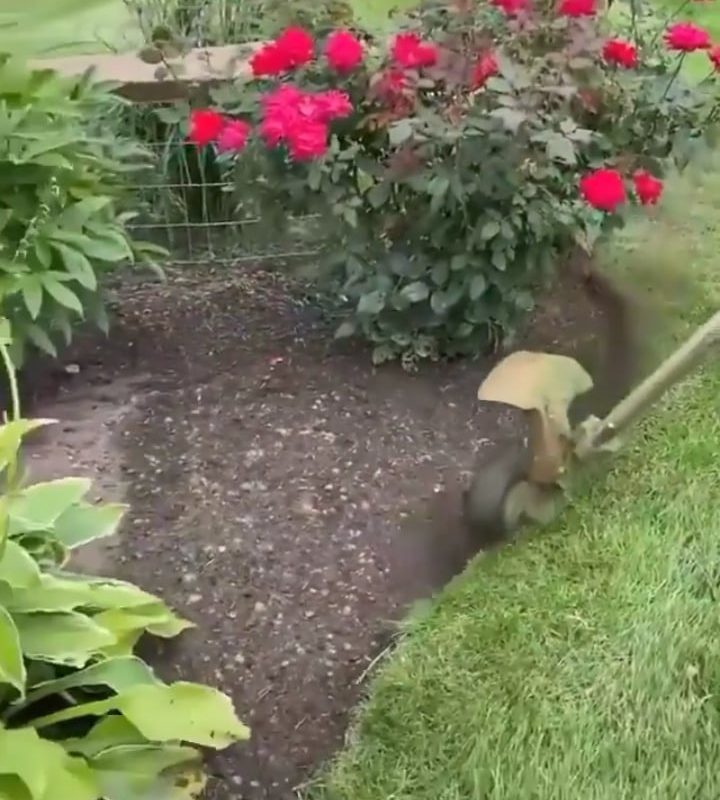
Trimming the Lawn
Title: Trimming the Lawn: How to Achieve Crisp Edges and a Polished Look
Meta Description: Learn the art of trimming your lawn for a professional finish. Discover tools, techniques, and tips to maintain sharp edges and boost curb appeal.
Why Trimming Is Essential for a Perfect Lawn
Mowing your lawn is just one piece of the puzzle. To create a truly polished yard, trimming is critical. While mowing cuts the bulk of the grass, trimming tackles the areas your mower can’t reach: edges, fences, tree bases, and tight corners. Neglecting these spots leaves your lawn looking unkempt, no matter how well-mowed it is.
In this guide, you’ll learn how to trim like a pro, ensuring a manicured look that enhances your home’s curb appeal.
Trimming vs. Mowing: What’s the Difference?
- Mowing: Covers the main expanse of grass with a lawnmower.
- Trimming: Uses handheld or stick tools (like string trimmers or edgers) to shape borders, tidy edges, and clean up hard-to-reach spots.
Pro Tip: Trim before you mow. This prevents grass clippings from hiding uneven edges and gives you greater precision.
Tools You’ll Need for Flawless Trimming
- String Trimmer (Weed Whacker): Ideal for trimming grass along fences, walls, and obstacles.
- Lawn Edger: Creates sharp, defined borders along driveways, sidewalks, and garden beds.
- Hand Shears: Perfect for precision work around delicate plants or tight spaces.
- Safety Gear: Gloves, goggles, and closed-toe shoes protect against debris.
Did You Know? Battery-powered or electric trimmers are quieter and eco-friendly, while gas models offer more power for large yards.
Step-by-Step Guide to Trimming Your Lawn
1. Prepare the Area
- Remove sticks, rocks, and toys to avoid damaging your trimmer.
- Mark delicate plants or irrigation systems with small flags.
2. Master the Trimming Technique
- Hold the trimmer parallel to the ground and swing it steadily in arcs.
- Avoid digging into the soil—keep the trimmer head slightly above the surface.
- For vertical edges (e.g., walls), angle the trimmer vertically and move upward.
3. Edge Like a Pro
- Use an edger to cut a clean line along walkways or garden beds.
- Follow existing edges if possible, or redefine them for a fresh look.
4. Safety First
- Always wear protective gear.
- Never trim in wet conditions—wet grass clumps and reduces visibility.
How Often Should You Trim?
- For most lawns, trim every 1–2 weeks during peak growing season (spring/summer).
- Reduce frequency in fall/winter when growth slows.
Key Takeaway: Regular trimming prevents overgrowth, reduces cleanup time, and keeps edges crisp.
Common Trimming Mistakes to Avoid
- Cutting Too Short: Scalping grass weakens roots and invites weeds.
- Ignoring Edges: Frayed borders ruin the lawn’s polished appearance.
- Using Dull Blades: Replace string trimmer lines or edger blades regularly for cleaner cuts.
Conclusion
Trimming transforms a good lawn into a great one. By pairing it with regular mowing, you’ll achieve a lush, balanced yard with magazine-worthy edges. Invest in quality tools, follow safety protocols, and trim consistently—your home’s exterior will thank you!
SEO Keywords: Trimming the lawn, lawn edging, grass trimming, lawn maintenance, how to trim lawn edges, string trimmer techniques, lawn care tips.
Internal Linking Suggestions: Link to related articles like “Best Lawn Mowing Practices” or “How to Choose a String Trimmer.”
Image Alt Text Suggestions: “Man trimming lawn edges with a string trimmer,” “Clean lawn border after edging.”
Ready to elevate your yard? Grab your trimmer and get started today! 🌿