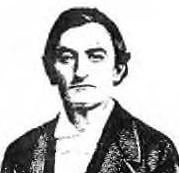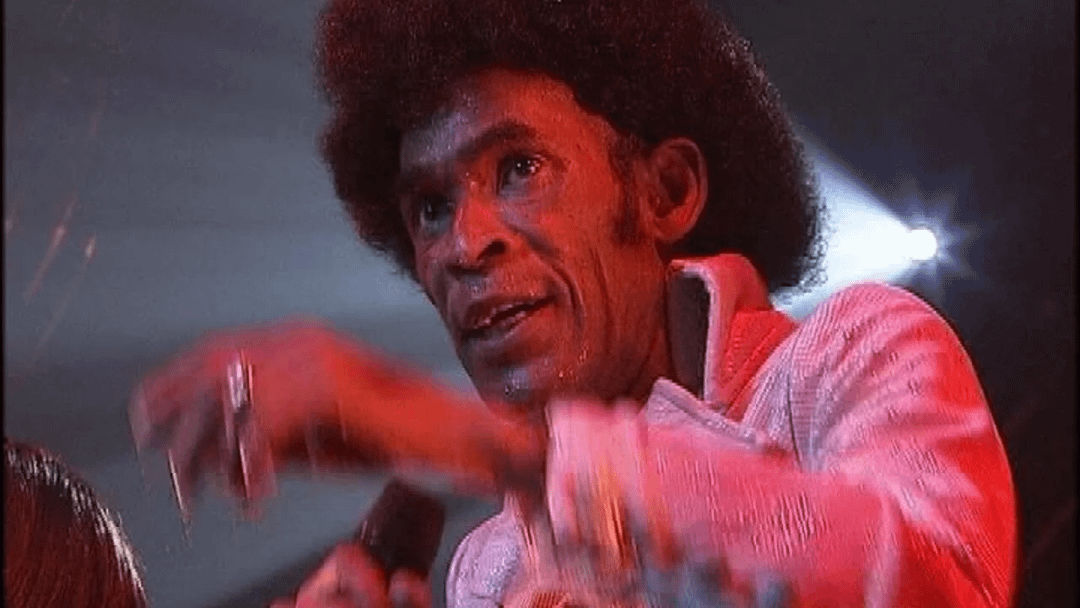
Bobby Farrell, member of the group Boney M., famous for the song Rasputin, died on the 30th of December in St. Petersburg, the same date and place that Grigori Rasputin died.
Title: Bobby Farrell of Boney M.: The Eerie Coincidence Linking His Death to Rasputin’s Legend
Meta Description: Discover the chilling story of Bobby Farrell, Boney M. member and voice of “Rasputin,” who died on the same date and in the same city as the infamous Russian mystic.
The Uncanny Death of Bobby Farrell: A Twist of Fate with Rasputin
Bobby Farrell, the charismatic dancer and frontman of the iconic 1970s disco group Boney M., left behind a legacy intertwined with mystery. Best known for hits like “Rasputin,” Farrell’s own death on December 30, 2010, sent shivers through the music world. Why? He passed away in St. Petersburg, Russia—on the exact date and in the same city as Grigori Rasputin, the historical figure immortalized in Boney M.’s globally beloved song.
This eerie coincidence has fueled fascination among fans and historians alike, blurring the lines between pop culture and fate. In this article, we explore Bobby Farrell’s life, the phenomenon of “Rasputin,” and the haunting parallels that tie his death to Russian history.
Bobby Farrell: The Face & Voice of Boney M.
Born in Aruba in 1949, Bobby Farrell rose to fame as a key member of Boney M., the Eurodisco sensation masterminded by producer Frank Farian. Though the group’s vocals were often provided by studio singers (including Farian himself), Farrell became the visual embodiment of the band on stage. His electrifying dance moves, flamboyant costumes, and magnetic energy cemented Boney M.’s reputation as one of the era’s most unforgettable acts.
Hits like “Daddy Cool,” “Ma Baker,” and “Sunny” catapulted the group to global fame, but “Rasputin” (1978) became their most culturally enduring track. The song fused disco beats with Russian folk melodies, chronicling the life and controversial death of Grigori Rasputin, the mystic advisor to Russia’s Romanov family. Ironically, Farrell—though lip-syncing—brought Rasputin’s enigmatic persona to life, unaware of the strange destiny awaiting him decades later.
Grigori Rasputin vs. Bobby Farrell: A Macabre Timeline
1. The Death of Rasputin (December 30, 1916)
Grigori Rasputin, the “Mad Monk” of Russia, was assassinated in St. Petersburg (then Petrograd) by nobles seeking to end his influence over Tsar Nicholas II. His death was gruesome and shrouded in legend—according to folklore, he survived poisoning, gunshots, and drowning before finally succumbing.
2. The Death of Bobby Farrell (December 30, 2010)
Exactly 94 years later, Bobby Farrell died of heart failure at age 61 in a St. Petersburg hotel room after performing a show. Though his death was attributed to natural causes, the timing and location sparked immediate comparisons to Rasputin’s demise. Farrell had no known health crisis beforehand, making the event feel even more surreal.
“Rasputin”: The Song That Fueled a Legacy
Boney M.’s “Rasputin” remains a cult classic, blending disco with Eastern European instrumentation and storytelling. The lyrics dramatize Rasputin’s life—his influence, scandals, and violent end—with Farrell embodying the character in music videos and live performances. Decades later, the song regained viral fame on platforms like TikTok, introducing a new generation to Boney M.’s music.
Farrell often joked about the song’s dark theme but embraced its popularity, performing it worldwide until his final days. Little did he know how profoundly his own story would mirror Rasputin’s mythos.
Why the Coincidence Captures Imagination
The symmetry of Farrell’s death is more than a footnote—it’s a narrative ripe for interpretation. Fans and media have spun theories ranging from cosmic irony to supernatural connections. While historians dismiss Rasputin’s “curse” as folklore, the parallel undeniably adds a layer of mystique to Farrell’s legacy.
Beyond the coincidence, Farrell’s death highlights his enduring impact on music. His performances bridged cultures and genres, turning Boney M. into a symbol of 70s euphoria and cross-continental appeal.
Bobby Farrell’s Legacy Today
Though he passed over a decade ago, Bobby Farrell’s influence lives on:
- “Rasputin” Revivals: The song resurfaces in memes, remixes, and TV shows (e.g., The Crown), keeping Boney M. relevant.
- Disco Nostalgia: Boney M. streams millions of times monthly, proving the timelessness of their upbeat anthems.
- A Story for the Ages: The Rasputin-Farrell coincidence remains a pop culture enigma, discussed in documentaries and trivia forums.
Conclusion: When Life Mirrors Art
Bobby Farrell’s unexpected death in St. Petersburg on December 30, 2010, is a poignant footnote in music history. Whether viewed as a twist of fate or mere happenstance, it forever binds him to the legend of Rasputin—a figure he helped immortalize. Through his artistry, Farrell turned history into dance-floor magic, leaving behind a legacy as unforgettable as the mystery surrounding his final days.
“Ra-ra-Rasputin, lover of the Russian queen…” — the lyrics endure, as does the mystique of the man who brought them to life.
Keywords for SEO: Bobby Farrell, Boney M., Rasputin song, Grigori Rasputin, Bobby Farrell death, December 30 coincidence, St. Petersburg death, disco legend, 70s music, pop culture mysteries.
Image Suggestion: Pair article with a split image of Bobby Farrell performing in Boney M. attire alongside a historical portrait of Grigori Rasputin.