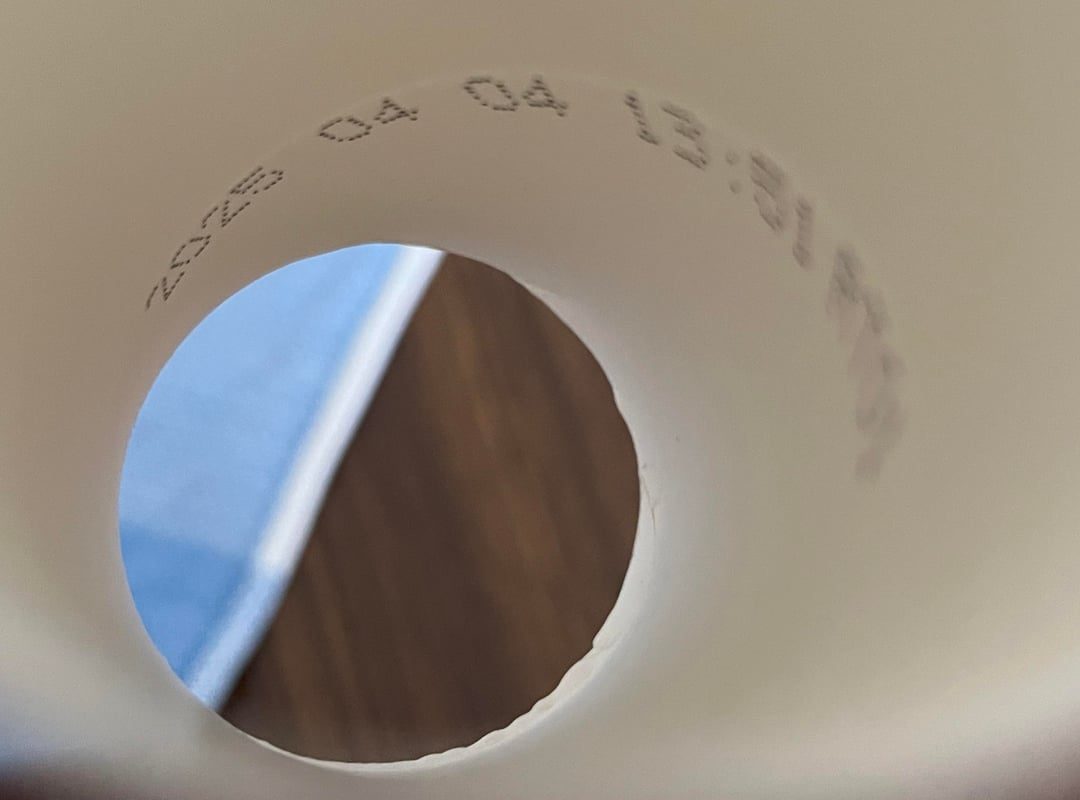
– In Australia,
**Date** is also slang for asshole/bum/ anus …
Guaranteeing every roll will reach its
*Use By Date*
**Date Roll** is also slang for Toilet paper, With the internal printing – a **Date Roll** is exactly what it is.
Amazing, It could be said Aussie slang was prescient.
Title: Toilet Paper Expiration? The Hidden Manufacturing Dates Inside Cardboard Tubes & How to Use Them
Toilet paper seems like one of those household essentials that never expires—until you pull out an old, dusty roll from the back of the closet and notice it feels brittle, discolored, or even moldy. What many people don’t realize is that hidden inside the cardboard cylinder of your toilet paper is a manufacturing date code. While not an official expiration date, this code provides a key clue to its shelf life. Here’s how to decode it and what it means for your toilet paper’s longevity.
The Secret Code Inside Your Toilet Paper Tube
When you finish a roll of toilet paper, take a closer look at the cardboard tube’s interior. Many major brands (like Charmin, Cottonelle, or Scott) print a series of numbers, letters, or symbols there. This isn’t random—it’s often the manufacturing date.
These codes vary by brand, but they usually include:
- A production year (e.g., “23” for 2023).
- A month or week number (e.g., “06” for June or “24” for the 24th week).
- Sometimes a factory code or batch number.
For example, a code like 230324 might translate to March 24, 2023, or the 24th week of 2023, depending on the brand’s system. Check the manufacturer’s website or contact customer service to confirm their coding format.
Why Toilet Paper Isn’t “Forever Fresh”
Toilet paper isn’t perishable like food, but it does degrade over time due to:
- Environmental exposure: Humidity, heat, or moisture can weaken fibers and lead to mold or mildew.
- Dust and pests: Poorly stored paper in garages or basements can attract insects or rodents.
- Loss of function: Older TP may become brittle, scratchy, or less absorbent.
While manufacturers rarely specify expiration dates, industry experts agree that well-stored toilet paper lasts 1-2 years with minimal quality loss. Beyond that, the risk of deterioration rises—which is why that hidden manufacturing date matters.
How to Calculate a Toilet Paper “Use By Date”
- Find the code: Check the inner cardboard tube after finishing a roll.
- Decode the date: Identify the year and month/week (contact the brand if uncertain).
- Add 1-3 years: Based on ideal storage conditions, consider:
- 1 year: For homes in humid climates or non-climate-controlled storage (e.g., sheds, garages).
- 2-3 years: For TP kept in cool, dry, and sealed containers (like plastic bins or closets).
Example: If your toilet paper was manufactured in May 2022:
- Ideal storage: “Use by” May 2025 (3 years).
- Humid storage: “Use by” May 2023 (1 year).
4 Tips to Extend Your Toilet Paper’s Lifespan
- Avoid Moisture: Store TP away from bathrooms (steam), basements, or leak-prone areas.
- Seal It: Keep bulk packs in airtight plastic containers to block pests and dust.
- Rotate Stock: Use older rolls first and label boxes with purchase/manufacture dates.
- Skip Extreme Temperatures: Never store TP in attics, cars, or garages where heat or cold fluctuates.
FAQ: Toilet Paper Shelf Life Secrets
Q: Does toilet paper ever go bad?
A: It doesn’t “expire” like food, but its quality will decline after 2+ years. Mold or pests make it unsafe to use.
Q: Is discolored toilet paper dangerous?
A: Yellowing or spotting may signal mold or aging. Discard it to avoid skin irritation or allergies.
Q: Can I stockpile toilet paper?
A: Yes! For long-term storage, keep unopened packs in climate-controlled spaces and rotate yearly.
Q: How does recycled toilet paper hold up?
A: It’s often less durable than virgin paper and may degrade faster. Check the manufacturer’s code and store carefully.
Key Takeaway: It’s All About Storage + Dates
While your toilet paper won’t come with a “best by” label, its hidden manufacturing date is your best tool for estimating shelf life. Decode the tube’s secret numbers, prioritize smart storage, and you’ll avoid the crumble-and-crisis of expired rolls. Whether you’re a bulk shopper or simply cleaning out Grandma’s linen closet, remember: even TP has a ticking clock!
Pro Tip: Next time you buy toilet paper, snap a photo of the packaging barcode and the tube code to track dates digitally!
(Boost your home preparedness! Share this guide to help others crack the toilet paper date code.)