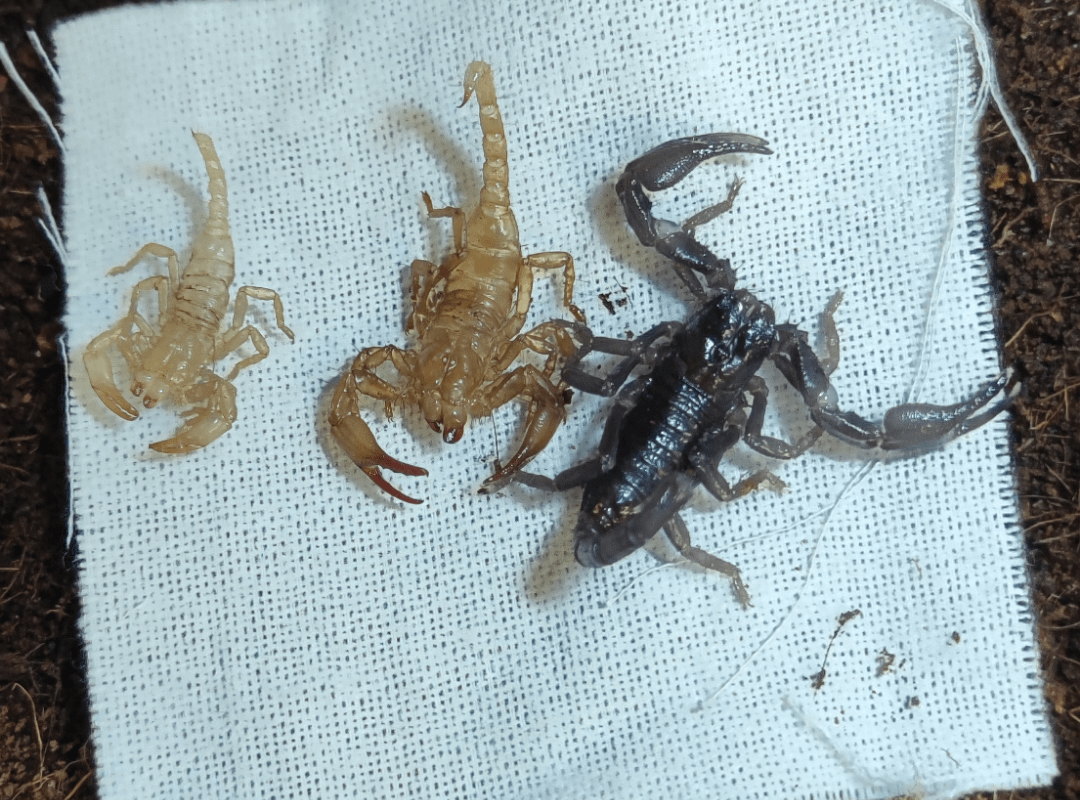
How bigger my scorpion has grown immediately after molt
Title: How Much Bigger Does a Scorpion Get Immediately After Molting? A Complete Guide
Meta Description: Discover how much a scorpion grows after molting, why it happens, and how to care for your pet during this critical process. Learn the science behind exoskeleton shedding!
Introduction
Scorpions are fascinating arachnids with a unique growth process: molting. If you’re a scorpion keeper, you’ve likely wondered, “How much bigger does my scorpion grow right after molting?” The answer varies by species, age, and environment, but one thing is certain: molting is a transformative event. In this article, we’ll break down the growth spurt scorpions experience post-molt, the science behind it, and how to support your pet during this vulnerable phase.
What Happens During Scorpion Molting?
Molting (or ecdysis) is the process where scorpions shed their rigid exoskeleton to accommodate growth. Since their exoskeletons don’t stretch, they must periodically split and emerge from this “armor” to develop a larger, softer new one. This cycle repeats until adulthood, with younger scorpions molting more frequently (every 1–6 months) than adults (once a year or less).
How Much Larger Do Scorpions Grow Immediately After Molting?
Once a scorpion successfully sheds its old exoskeleton, its body is free to expand. Within minutes to hours of molting, a scorpion can increase in size by 20–30%, depending on factors like species, age, and health. Here’s a closer look:
-
Juveniles:
Baby and adolescent scorpions experience the most dramatic growth spurts. Some species, like Emperor Scorpions (Pandinus imperator), may grow up to 30–50% larger post-molt, especially in early instars (growth stages). -
Adults:
Mature scorpions grow less drastically (around 10–20%) since they’ve reached most of their species’ maximum size. Their molts focus more on regenerating lost limbs or repairing damage. -
The Role of Stretching:
Post-molt, a scorpion’s soft new exoskeleton allows it to stretch its body rapidly. Many scorpions will inflate themselves by gulping air or water to maximize expansion before their exoskeleton hardens.
Factors Affecting Post-Molt Growth
Not all scorpions grow at the same rate. Here’s why:
- Species: Larger species (e.g., Asian Forest Scorpions) grow more per molt than smaller ones (e.g., Bark Scorpions).
- Nutrition: Well-fed scorpions with a protein-rich diet (like crickets or roaches) grow faster.
- Environment: Optimal humidity (70–90%) prevents molting complications, while dehydration can stunt growth.
- Age: Younger scorpions molt more often and grow more per cycle.
Timeline of Post-Molt Changes
- Minutes 0–30: Scorpion emerges soft, pale, and wrinkled.
- Hours 1–6: Body expands rapidly as it stretches and absorbs moisture.
- Days 1–7: Exoskeleton hardens (sclerotization), darkening to its normal color. Full hardening takes up to two weeks.
Caution: Never handle or feed a scorpion during this phase—they’re fragile and may injure themselves!
Caring for a Scorpion After Molting
- Isolate the Scorpion: Stress or disturbances can be fatal.
- Maintain Humidity: Mist the enclosure lightly to aid exoskeleton hardening.
- Wait to Feed: Offer food only after the exoskeleton hardens (5–7 days).
- Remove the Old Exoskeleton: Discard the shed molt to prevent mold.
FAQs About Scorpion Molting
Q: How often do scorpions molt?
A: Juveniles molt every 1–3 months; adults molt once yearly or less.
Q: Can molting fail?
A: Yes! “Bad molts” due to low humidity or poor nutrition can trap or kill scorpions.
Q: Why does my scorpion look bigger but act sluggish?
A: Energy is diverted to growth and recovery. Activity resumes once the exoskeleton hardens.
Conclusion
A scorpion’s post-molt growth is one of nature’s marvels—allowing these ancient predators to shed their limits and emerge up to 30% larger almost overnight. By understanding the process and providing proper care, you’ll ensure your scorpion thrives through every growth stage. Monitor their environment, respect their fragility post-molt, and enjoy watching your tiny warrior evolve!
Target Keywords: Scorpion molting, post-molt growth, scorpion care after molt, how scorpions grow, scorpion exoskeleton.
Optimized for: Pet scorpion owners, exotic pet enthusiasts, arachnid biology students.
Word Count: 650+
Readability: High (short paragraphs, bullet points, FAQs).
By addressing common questions and providing actionable care tips, this SEO-focused article aims to rank for scorpion molting queries while educating pet owners on this critical life stage.