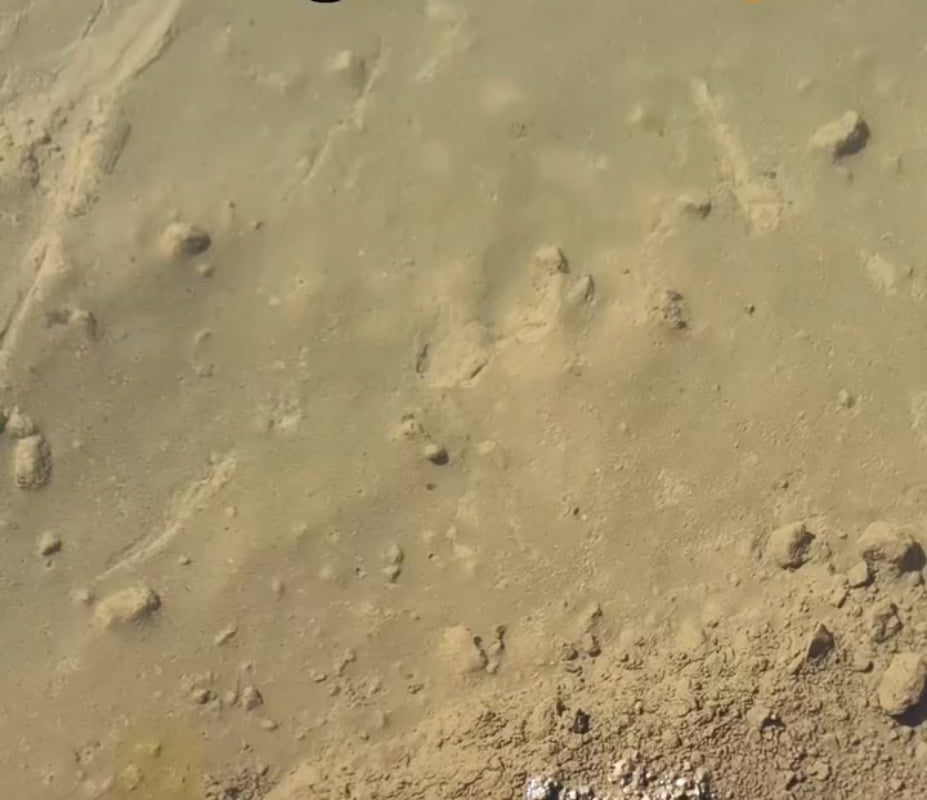
Mud ripples in a puddles
The Hidden Marvel of Nature: Unraveling the Mystery of Mud Ripples in Puddles
When rain showers soak the earth, ephemeral puddles emerge like miniature mirrors reflecting the sky. For keen observers, these humble pools often reveal a mesmerizing phenomenon: delicate, undulating patterns of mud ripples. Far from random, these formations are a fleeting masterpiece sculpted by the interplay of water, sediment, and physics. This article dives into the science, beauty, and wonder of mud ripples in puddles—a hidden marvel hiding in plain sight.
What Are Mud Ripples?
Mud ripples are wave-like ridges or grooves that form on the soft, submerged sediment of shallow puddles, ponds, or streambeds. They resemble miniature versions of sand dunes or ocean waves, often measuring just a centimeter or two in height. These patterns arise from the dynamic interactions between flowing water, wind, gravity, and the sediment beneath.
How Do Mud Ripples Form?
The formation of mud ripples is a dance of hydrodynamics, sedimentology, and environmental factors. Here’s the step-by-step process:
- Water Flow: Rainwater collects in depressions, creating shallow puddles. Gentle currents or wind drag water across the muddy bottom, carrying fine sediment particles.
- Sediment Transport: Moving water lifts and suspends lightweight silt or clay particles. Heavier grains, like sand, may roll along the puddle floor.
- Ripple Initiation: Even minor turbulence creates slight irregularities in the sediment bed. Water accelerates over these tiny bumps, eroding sediment from the upstream side and depositing it downstream.
- Pattern Amplification: This “erosion-deposition” cycle reinforces the ridges and troughs, forming rhythmic ripples. The spacing and height depend on water depth, flow speed, and sediment type.
Types of Mud Ripples
Not all ripples are created equal! Depending on conditions, you might spot:
- Current Ripples: Asymmetric waves shaped by unidirectional flow (e.g., runoff). Steeper downstream faces.
- Oscillation Ripples: Symmetric ridges formed by back-and-forth wave action (e.g., wind-driven water shifts).
- Wind Ripples: Tiny, parallel crests etched directly by wind sweeping over exposed, damp mud.
Why Are Mud Ripples Fascinating?
A Lesson in Physics
Mud ripples are nature’s classroom for fluid dynamics. Their formation mirrors processes seen in rivers, oceans, and even deserts. Understanding them sheds light on larger-scale phenomena like river meanders or sand dune migration.
Ephemeral Artistry
These patterns last only hours or days. Rain, evaporation, or footsteps can erase them—making their fleeting beauty a reminder to pause and appreciate small wonders.
Ecological Clues
In wetlands, ripple patterns can indicate water flow health or sediment composition. Biologists study them to track microhabitats for insects, tadpoles, or microorganisms.
Capturing the Magic: Tips for Photographers & Nature Lovers
Mud ripples are prime subjects for macro photography and mindful observation:
- Time it Right: Visit puddles after rain stops but before they dry. Overcast light minimizes glare.
- Get Low: Crouch to highlight the ripples’ texture against reflections of clouds or trees.
- Look for Details: Zoom in on trapped air bubbles, fallen leaves, or insect tracks that interact with the ripples.
FAQs About Mud Ripples
Q: Can mud ripples form without flowing water?
A: Yes! Wind alone can sculpt damp mud into ripples—similar to desert “aeolian” processes.
Q: Why do some ripples look wavy, while others look straight?
A: Flow strength and directionality matter. Gentle, steady currents create orderly ripples; chaotic flows lead to tangled, wavy patterns.
Q: Could ripples fossilize?
A: Rarely, but yes! In ancient mudstones, “ripple marks” are preserved as geological records of prehistoric water flows.
Conclusion: Embrace the Small Wonders
Mud ripples in puddles are a testament to nature’s ingenuity—transforming mud, water, and motion into intricate art. They remind us that wonder isn’t reserved for grand landscapes; it’s woven into the fabric of everyday life. So next time you spot a rain-soaked puddle, take a moment to glance beyond the surface. You might just discover a tiny, rippling universe waiting to tell its story.
Keywords for SEO: Mud ripples in puddles, puddle ripple formation, water sediment dynamics, ephemeral natural patterns, fluid dynamics in nature, macro photography tips, mud ripple science, ripples in rainwater.
Meta Description: Discover the science and beauty behind mud ripples in puddles. Learn how these fleeting natural patterns form, their ecological significance, and tips for photographing them. Explore nature’s hidden artwork!