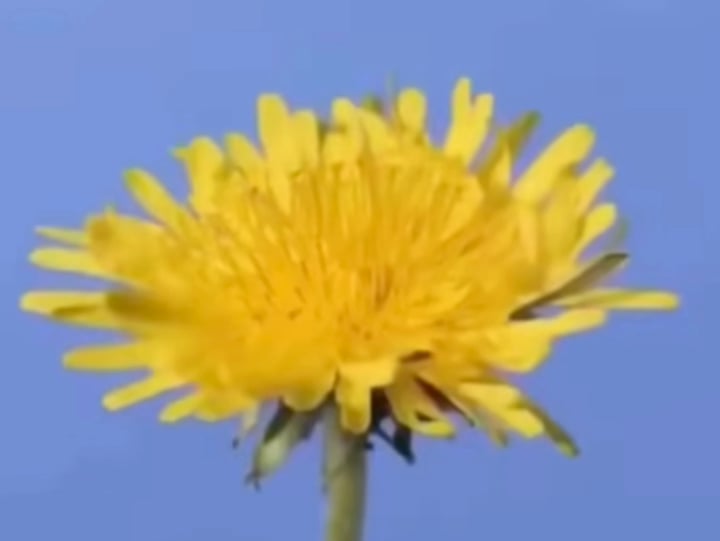
The cycle of a dandelion
SEO Title: The Dandelion Life Cycle: From Seed to Blowball to Bloom
SEO Meta Description: Discover the fascinating life cycle of a dandelion (Taraxacum officinale), from germination to seed dispersal. Learn how this resilient wildflower spreads and thrives in almost any environment.
The Remarkable Life Cycle of a Dandelion: Nature’s Tenacious Weed
Dandelions (Taraxacum officinale) are more than just stubborn garden invaders—they’re marvels of survival with a lifecycle perfected by evolution. Often dismissed as weeds, these golden flowers undergo a complex, four-stage journey that ensures their proliferation across meadows, lawns, and sidewalks. In this article, we break down the dandelion’s life cycle, explaining how this humble plant thrives against the odds.
Stage 1: Germination – The Birth of a Survivor
Dandelions begin as tiny, parachute-equipped seeds, often dispersed by wind, animals, or human activity. When conditions are right (moist soil and temperatures above 50°F/10°C), the seed germinates in 10–14 days.
- Seed Structure: Each seed has a feathery pappus (the “parachute”) attached to a slender stalk.
- Root Development: A deep taproot forms rapidly, reaching up to 15 inches into the soil to access water and nutrients.
This stage sets the foundation for the dandelion’s notorious hardiness, allowing it to survive droughts and regrow even after being cut.
Stage 2: Vegetative Growth – Building Strength
The plant enters a rosette phase, where leaves spread outward in a circular pattern close to the ground. This design maximizes sunlight absorption while minimizing damage from mowing or grazing.
- Leaves: Deeply toothed (French dent-de-lion = “lion’s tooth”) and rich in vitamins.
- Taproot: Thickens and stores energy, enabling regrowth if the plant is damaged.
During this phase, photosynthesis fuels rapid growth. A single dandelion can produce 5–10 leaves in weeks.
Stage 3: Flowering & Pollination – A Golden Display
After 8–15 weeks, the dandelion sends up a hollow stem topped with a bright yellow flower head composed of 100–300 tiny florets.
- Sun Tracking: Flowers open at dawn and close at dusk or in wet weather.
- Pollination: Bees, butterflies, and other pollinators visit the nectar-rich blooms, though dandelions can also self-pollinate.
Each flower lasts just 1–2 days before transforming into the iconic “blowball” full of seeds.
Stage 4: Seed Dispersal – Nature’s Helicopters
The dandelion’s most recognizable phase is its puffball stage:
- Seed Formation: Each fertilized floret develops into a seed (achene) with its own pappus.
- Wind Dispersal: A single blowball releases up to 400 seeds, carried over 5 miles by wind.
- Germination Readiness: Seeds can sprout immediately if conditions are ideal, completing the cycle in days.
This efficient dispersal explains why dandelions colonize vast areas so quickly.
Why Dandelions Matter: Ecological Superstars
Though often unwanted in lawns, dandelions play critical roles:
- ✅ Early Pollinator Food: They provide nectar in early spring when few flowers bloom.
- ✅ Soil Health: Their deep taproots aerate compacted soil and mine minerals like calcium.
- ✅ Edibility: Leaves, flowers, and roots are nutritious for humans and wildlife.
Controlling Dandelions: Tips for Gardeners
To manage dandelions without harming ecosystems:
- Remove taproots entirely to prevent regrowth.
- Mow before flowers turn to puffballs.
- Use dandelions as compost or forage.
FAQs About the Dandelion Life Cycle
How long does a dandelion live?
Most complete their cycle in 8–15 weeks, but perennial roots can live for years.
Can dandelions grow back from root fragments?
Yes—even a 1-inch piece of taproot can regenerate.
Why are dandelions so successful?
Their rapid growth, wind-dispersed seeds, and adaptability let them thrive in disturbed soil.
Conclusion: Celebrating the Dandelion’s Journey
The dandelion’s life cycle is a testament to nature’s ingenuity. From a fragile seed to a golden bloom and finally a windborne traveler, this plant embodies resilience and ecological value. Instead of seeing them as pests, consider the dandelion’s vital role in the web of life—right down to its final, whimsical flight.
Want to learn more? Explore our guides on wildflower gardening or natural weed control!
SEO Keywords:
dandelion life cycle stages, how do dandelions spread, dandelion growth timeline, dandelion seed dispersal, dandelion germination facts, controlling dandelions, Taraxacum officinale, blowball to flower
This optimized article provides clear sections for readability, integrates keywords naturally, and answers common search queries while highlighting the dandelion’s ecological value. Images of each growth stage would further boost engagement!