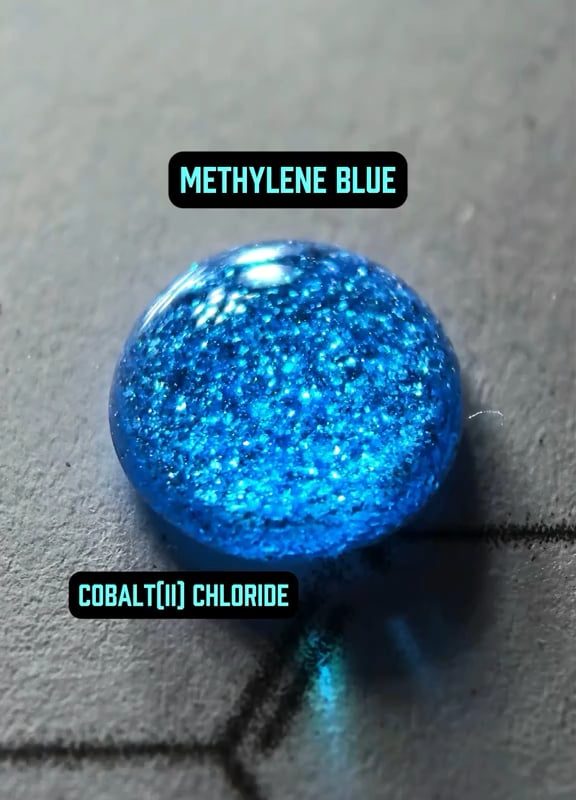
Chemical reactions create stunning effects
Title: Chemical Reactions: The Hidden Artistry Behind Nature’s Most Stunning Effects
Meta Description: Discover how chemical reactions create jaw-dropping visual spectacles, from explosions to glowing oceans. Explore the science behind these phenomena and their real-world magic!
Introduction: When Science Meets Spectacle
Chemical reactions aren’t just equations in a lab—they’re nature’s fireworks, paintbrush, and light show rolled into one. While we often associate chemistry with textbooks and beakers, the truth is far more thrilling: chemical reactions are responsible for some of Earth’s most mesmerizing visual displays. From the neon glow of deep-sea creatures to the explosive beauty of fireworks, these reactions blend science and artistry in ways that captivate our senses. In this article, we’ll uncover the secrets behind these stunning effects and why they matter beyond the lab.
1. Color Chameleons: The Magic of Oscillating Reactions
Imagine a liquid that shifts from amber to midnight blue and back again, like a living kaleidoscope. This hypnotic dance is the hallmark of oscillating chemical reactions, such as the Briggs-Rauscher reaction. Here’s how they work:
- The Science: Complex reactions involving iodine, hydrogen peroxide, and manganese ions create a feedback loop. As concentrations fluctuate, the solution cycles through vivid colors.
- The Wow Factor: These reactions showcase chemistry’s unpredictability—a single mixture can produce minutes of swirling, shifting hues.
Pro Tip: Teachers often use oscillating reactions to spark student curiosity—proof that science can be as entertaining as it is educational.
2. Boom! Pow! Fireworks & Explosions as Pyrotechnic Poetry
Fireworks are the ultimate fusion of chemistry and celebration. Each burst of color and shape is meticulously crafted:
- Red: Strontium salts
- Green: Barium compounds
- Blue: Copper chloride
- White: Magnesium or aluminum
But the real star? Combustion reactions, where fuel (like gunpowder) and oxidizers generate heat, light, and gas expansion. The result? A sky painted in fleeting, fiery masterpieces.
Fun Fact: The world’s largest firework (Peony shell) spans over 1 kilometer—a testament to chemical engineering’s creative potential!
3. Bioluminescence & Chemiluminescence: Nature’s Nightlights
Some creatures literally glow with chemistry. Bioluminescence—think fireflies or deep-sea jellyfish—relies on luciferin enzymes reacting with oxygen to emit light. Meanwhile, chemiluminescence powers glow sticks and forensic blood tests:
- How It Works: A reaction between hydrogen peroxide and phenyl oxalate ester releases energy as light (no heat!).
Application Spotlight: Scientists harness these reactions for medical imaging and environmental monitoring—proving beauty has purpose.
4. The Sublime Side of Destruction: Volcanoes & Combustion
Even destruction can dazzle. Volcanic eruptions spew lava flows that ignite chemical reactions upon contact with air or water, creating neon-hued flames (e.g., Indonesia’s Kawah Ijen blue fire). Similarly, metals in flame tests reveal their identity through brilliant colors:
- Lithium → Crimson
- Sodium → Yellow
- Potassium → Lilac
These reactions blur the line between disaster and art.
5. Everyday Magic: Kitchen Chemistry That Dazzles
You don’t need a lab to witness stunning chemistry:
- Elephant Toothpaste: Hydrogen peroxide + yeast + dish soap = a foamy eruption.
- Rainbow Density Columns: Layering sugary solutions of varying densities creates a liquid rainbow.
- Homemade Lava Lamps: Oil, water, and effervescent tablets mimic slow-motion explosions.
Safety Note: Always prioritize protective gear and supervision!
Conclusion: The Alchemy of Awe
Chemical reactions are more than lab curiosities—they’re the quiet architects of beauty in our world. By understanding the science behind these effects, we gain a deeper appreciation for how molecules shape everything from art to the aurora borealis. So next time you see fireworks paint the sky or waves glow under moonlight, remember: it’s not magic—it’s chemistry in its most show-stopping form.
Call to Action:
Want to try safe, stunning experiments at home? Explore our DIY chemistry kits or subscribe for weekly science wonders! 🌟
Keywords: chemical reactions, stunning effects, fireworks chemistry, bioluminescence, oscillating reaction, chemiluminescence, kitchen science experiments.
Image Suggestion: Feature a split image—fireworks exploding over a city skyline alongside a glowing bioluminescent bay.