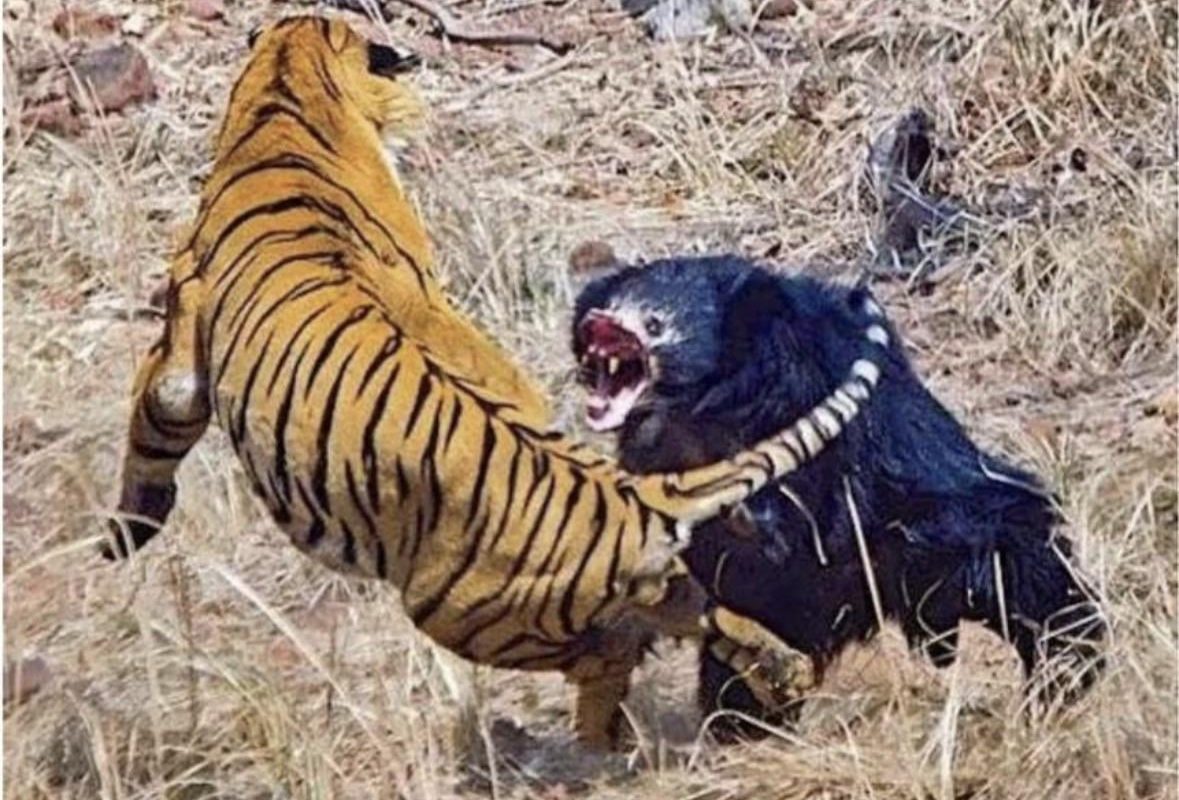
The sloth bears found in India, and the inspiration for Baloo in The Jungle Book, are considered to be the most aggressive bear species in the world.
Title: Sloth Bears of India: The Surprising Truth Behind Baloo’s Real-Life Inspiration
Meta Description: Discover why India’s sloth bears—the real-life inspiration for The Jungle Book’s Baloo—are considered the world’s most aggressive bears. Explore their behavior, habitat, and conservation.
Introduction: From Beloved Character to Fierce Reality
When Rudyard Kipling penned The Jungle Book in 1894, he depicted Baloo as a wise, easygoing mentor to Mowgli. Real-life sloth bears (Melursus ursinus), the species that inspired Baloo, couldn’t be more different. Native to India, Sri Lanka, and Nepal, these elusive bears boast shaggy coats, long claws, and a reputation as the most aggressive bear species on Earth. Defying their sleepy name (derived from their slow, sloth-like movements), sloth bears fiercely defend their territory and cubs—making them far more unpredictable than their fictional counterpart.
In this article, we delve into the fascinating world of India’s sloth bears, uncovering why their aggression has earned them global notoriety, how they survive in the wild, and what’s being done to protect them.
Sloth Bears 101: Habitat, Diet, and Distinctive Traits
Where They Roam:
Primarily found in India’s forests and grasslands, sloth bears thrive in regions like Karnataka, Madhya Pradesh, and Odisha. They prefer scrub forests, rocky outcrops, and termite-rich terrain, avoiding dense rainforests.
What They Eat:
Unlike other bears, sloth bears are myrmecophagous—meaning ants and termites make up 95% of their diet. Their long, curved claws tear open termite mounds, and their protrusible lips and lack of upper incisors allow them to suck insects like a vacuum.
Unique Adaptations:
- Noisy Foragers: Their loud snuffling and grunting can be heard from over 100 meters away.
- Built for Defense: Long claws (up to 4 inches), powerful forelimbs, and a muscular shoulder hump equip them for digging and combat.
- Protective Mothers: Females carry cubs on their backs for up to 9 months—a rare behavior among bears.
Baloo vs. Reality: Why Sloth Bears Are Far from “The Bare Necessities”
Kipling likely based Baloo on the sloth bears he encountered in India’s Seoni region (modern-day Madhya Pradesh). But while Disney’s portrayal is endearing, real sloth bears are solitary, short-tempered, and prone to unprovoked attacks.
Why Are They So Aggressive?
- Evolutionary Defense: With apex predators like tigers and leopards sharing their habitat, sloth bears evolved to attack first rather than flee.
- Poor Eyesight: Their blurred vision makes them quick to perceive threats, leading to defensive charges.
- Human Conflict: Encroachment into bear territory triggers attacks; over 100 attacks on humans are reported annually in India.
Key Fact: In a 2018 study by Indian wildlife researchers, sloth bears were responsible for more fatal attacks on humans than tigers or leopards in regions like Mysore.
Conservation Status: A Fight to Survive
Listed as Vulnerable by the IUCN, India’s sloth bear population has declined by 40–50% over the last 30 years due to:
- Habitat loss from agriculture and urbanization.
- Poaching for bile, claws, and cubs (used in dancing bear shows, now banned in India).
- Human-bear conflicts, often ending in fatal retaliations.
Hope on the Horizon:
- Project Sloth Bear: Launched in India, this initiative focuses on habitat restoration and anti-poaching measures.
- Community Education: NGOs like Wildlife SOS train villagers to avoid confrontations and secure food sources.
- Eco-Tourism: Responsible wildlife tours in parks like Daroji Sloth Bear Sanctuary (Karnataka) fund conservation.
Living with Sloth Bears: Safety Tips for Locals & Travelers
- Avoid Dense Brush: Sloth bears often hide in thick vegetation—stick to open trails.
- Do NOT Run: Back away slowly while facing the bear; running triggers their chase instinct.
- Secure Food: Keep campsites clean to avoid attracting bears seeking easy meals.
Conclusion: Respecting Nature’s Paradox
India’s sloth bears embody a paradox: they inspired one of fiction’s most beloved characters, yet defy that gentleness with raw, untamed ferocity. Their aggression isn’t malice—it’s a survival tactic honed over millennia in a shrinking wilderness. By supporting conservation and educating communities, we can ensure these extraordinary bears remain part of India’s natural heritage.
Call to Action: Share this article to raise awareness! Follow wildlife organizations like Wildlife SOS or Project Sloth Bear to learn how you can help protect this iconic species.
Keywords for SEO: Sloth bears India, Baloo inspiration, most aggressive bears, sloth bear attacks, sloth bear conservation, Melursus ursinus, Indian wildlife facts, Jungle Book real bears.