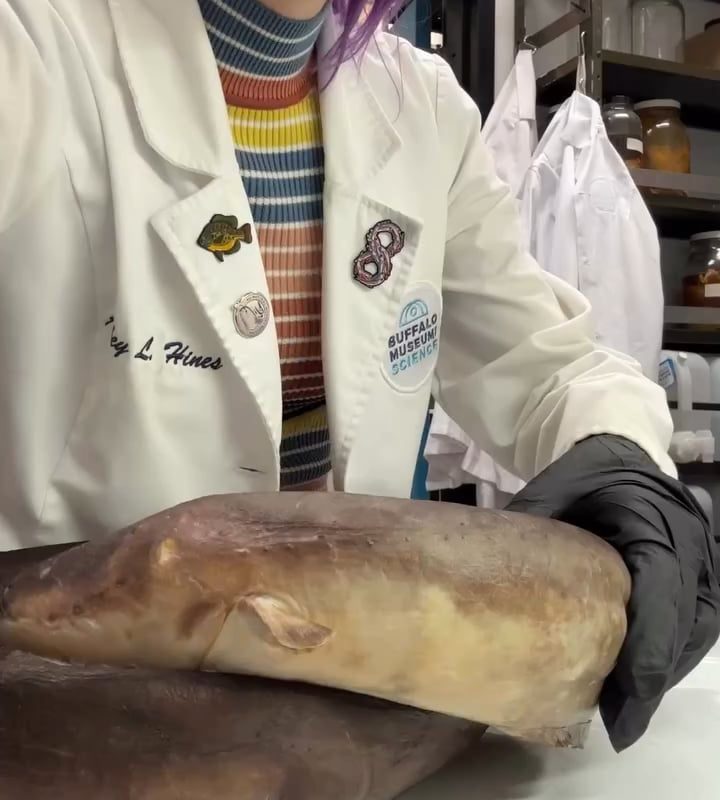
Electric eel secret
Meta Title: The Shocking Secrets of the Electric Eel: Science, Survival, and Superpowers
Meta Description: Uncover the electrifying secrets of electric eels—how they generate power, why they don’t shock themselves, and their surprising role in scientific breakthroughs.
The Electric Eel Secret: Nature’s Living Battery Revealed
The electric eel (Electrophorus electricus) is one of nature’s most astonishing creations. Capable of delivering shocks up to 860 volts—enough to stun a horse—this Amazonian predator has fascinated scientists and adventurers for centuries. But beyond its shocking reputation lies a trove of biological secrets, from its misunderstood anatomy to revolutionary applications in medical science. Dive into the mysteries of this aquatic powerhouse and discover why the electric eel is far more than just a “zappy” fish.
Secret #1: Not an Eel at All!
Despite its name, the electric eel is not a true eel. It’s actually a type of knifefish, closely related to catfish and carp. This misclassification persisted for centuries until DNA studies revealed its true lineage.
- Unique Anatomy: Electric eels have elongated bodies (up to 8 feet long) and lack scales, pelvic fins, and a dorsal fin.
- Breathing Air: They surface every 10 minutes to gulp oxygen, making them obligate air-breathers—a survival adaptation in low-oxygen Amazon waters.
Secret #2: The Science Behind the Shock
Electric eels generate electricity using specialized organs called electrocytes, which make up 80% of their body.
How It Works:
- Electrocyte Cells: Thousands of stacked electrocytes act like tiny batteries.
- Nervous System Activation: When hunting or defending, the brain signals these cells to release sodium ions.
- Electrical Surge: This creates a charge gradient, discharging a high-voltage current in milliseconds.
Types of Shocks:
- Low Voltage (10V): Used for navigation and sensing prey (similar to echolocation).
- High Voltage (600–860V): Hunting or self-defense, paralyzing prey with neuromuscular disruption.
Secret #3: Why Don’t Electric Eels Electrocute Themselves?
This is the ultimate evolutionary puzzle. Scientists discovered two key adaptations:
- Insulating Fat Layer: Vital organs (brain, heart) are wrapped in fatty tissue, resisting current flow.
- Current Direction: Shocks emit outward, bypassing their bodies. But if injured, they can harm themselves—a rare occurrence in the wild.
Secret #4: Hunting Like a Predator Jedi
Electric eels are ambush masters, using electricity as both a weapon and a tool:
- Remote Control Takedown: They curl around prey to create a closed circuit, maximizing shock efficiency.
- “Double Tap” Strategy: A 2021 study revealed they emit high-voltage pulses to force hidden prey to twitch, revealing their location.
Secret #5: Powering Human Innovation
Electric eel biology inspires breakthroughs in biotechnology:
- Bio-Batteries: Researchers mimic electrocytes to create soft, flexible power sources for medical implants.
- Neurological Studies: Their shock mechanisms help scientists model epilepsy and nerve signaling.
The Dark Secret: A Threatened Species
Despite their superpowers, electric eels face mounting threats:
- Habitat Loss: Amazon deforestation disrupts their freshwater ecosystems.
- Overfishing: Often caught for aquariums or studied excessively.
Dare to Discover More?
Next time you hear “electric eel,” remember: they’re a masterpiece of evolution, hiding scientific marvels beneath their shocking exterior. From bioengineering to neurology, their secrets continue to spark innovation—proving that nature’s mysteries are the ultimate source of inspiration.
Keywords for SEO:
Electric eel secret, how do electric eels generate electricity, electric eel hunting, bioelectricity, electrophorus electricus, Amazon rainforest animals, electrocytes, bio-battery, electric eel facts
Engagement Prompt:
💡 Did you know electric eels can leap out of water to shock threats? Share your favorite animal superpower in the comments!
Optimize your curiosity—nature’s secrets are always charged with surprises! ⚡