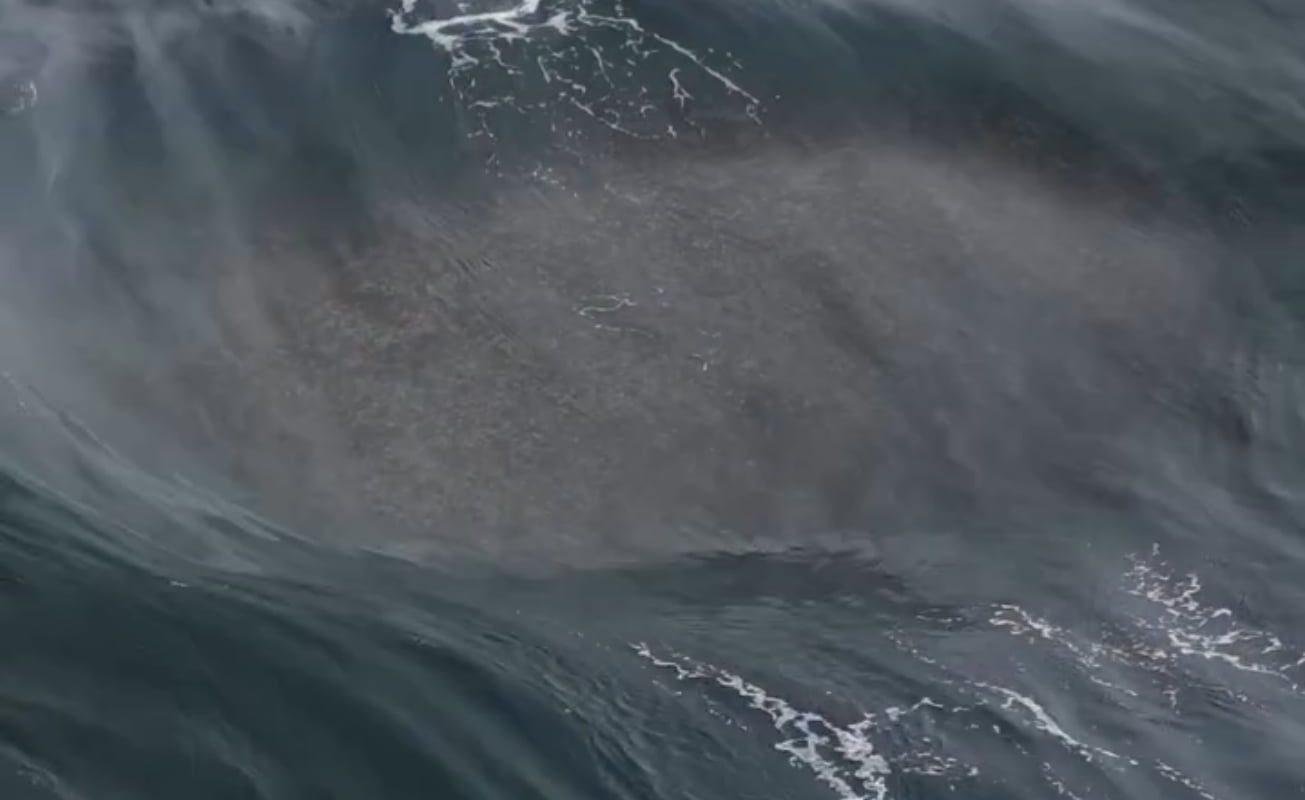
A powerful wave uprising due to small waves colliding to a big rock under water
The Hidden Force of Nature: How a Submerged Rock Sparks a Powerful Wave Uprising
Have you ever wondered how the ocean transforms tiny ripples into a towering wall of water? The secret lies in an extraordinary phenomenon where small waves collide with underwater obstacles, triggering a dramatic “wave uprising” that defies expectations. This hidden dance of physics—occurring beneath the surface—holds the power to reshape coastlines, challenge sailors, and fascinate scientists. In this deep dive, we’ll explore how a modest underwater rock becomes the catalyst for nature’s breathtaking hydraulic spectacle.
The Science Behind the Wave Uprising
When small waves travel across the ocean, they carry energy—invisible force that moves water molecules in rhythmic patterns. But when these waves encounter a massive submerged rock, chaos and creation collide. Here’s how it unfolds:
- Wave Compression: As waves approach the rock, their undulating motion is disrupted. The rock acts like a submerged wall, forcing the waves to compress tightly against its surface.
- Energy Concentration: The collision redirects the waves’ energy upward, much like squeezing a watermelon seed between your fingers. Trapped wave energy has nowhere to go but up.
- Constructive Interference: Smaller waves merging at the rock’s edges amplify one another (a process called wave superposition). Their combined energy ignites a sudden vertical surge—the “uprising.”
The result? A towering wave erupting far beyond the size of its humble predecessors.
Key Factors That Turn Tiny Waves into Giants
Not all underwater rocks trigger this phenomenon. Specific conditions turn a quiet seabed into a wave machine:
- Rock Size & Shape: Large, steep-sided rocks (like pinnacles or ridges) disrupt water flow most dramatically.
- Water Depth: Shallower depths force energy upward more efficiently. Waves in 10–30 feet of water amplify fastest.
- Wave Consistency: Uniform waves (e.g., from steady winds) synchronize energy better than choppy seas.
Real-World Example: California’s Mavericks Reef is infamous for this effect. Small Pacific swells strike its submerged ledge, triggering 60+ foot waves coveted by big-wave surfers.
The Ripple Effect: Environmental and Human Impacts
Wave uprisings aren’t just awe-inspiring—they shape ecosystems and human activity:
- Coastal Erosion: Concentrated wave energy scours shorelines, accelerating cliff collapses.
- Marine Life Havens: Turbulent zones around rocks oxygenate water, attracting plankton, fish, and whales.
- Navigation Hazards: Ships risk destabilization when crossing sudden “wave hotspots” caused by hidden rocks.
Where to Witness Nature’s Underwater Powerhouses
These oceanic “wave incubators” exist worldwide. Notable sites include:
- Nazaré Canyon, Portugal: Underwater trenches magnify swells into record-breaking 100-foot waves.
- Cortes Bank, USA: A seamount 100 miles offshore turns gentle rollers into skyscraper-sized walls.
- Ship Stern Bluff, Australia: Submerged cliffs near Tasmania unleash explosive Southern Ocean energy.
Conclusion: Respect the Unseen Force
The next time you see waves crashing ashore, remember: their power often begins far below, where silent rocks turn liquid into legend. This dynamic interplay of physics—small waves vs. immovable obstacles—reveals nature’s genius for transforming subtle energy into raw, jaw-dropping force.
Call to Action:
Observe wave patterns on your next beach visit. Notice how underwater geography—visible as darker patches near shore—alters wave height and behavior. Share your photos or videos of wave uprisings with #PowerUnderPressure!
Meta Title: How Underwater Rocks Create Massive Wave Uprisings | Ocean Physics Explained
Meta Description: Discover how small waves colliding with submerged rocks unleash powerful wave uprisings. Explore the science, impacts, and top sites to witness this phenomenon.
By blending fluid dynamics with real-world drama, this article targets keywords like “wave uprising formation,” “underwater rock wave amplification,” and “ocean wave energy collision,” positioning it for SEO success while captivating readers hungry for natural wonders.