It is very
Unlocking the Art and Science of Knolled Electronics: A Deep Dive Inside Your Devices
In the world of electronics, aesthetics and functionality often collide—but few practices capture this intersection as strikingly as knolled electronics. Whether you’re a tech enthusiast, designer, or simply curious about what lies beneath the surface of your gadgets, knolling offers a mesmerizing way to explore the hidden beauty of electronic components. In this article, we’ll unpack what knolled electronics are, why they matter, and how this technique is revolutionizing design, repair, and education.
What Is Knolling? A Brief Introduction
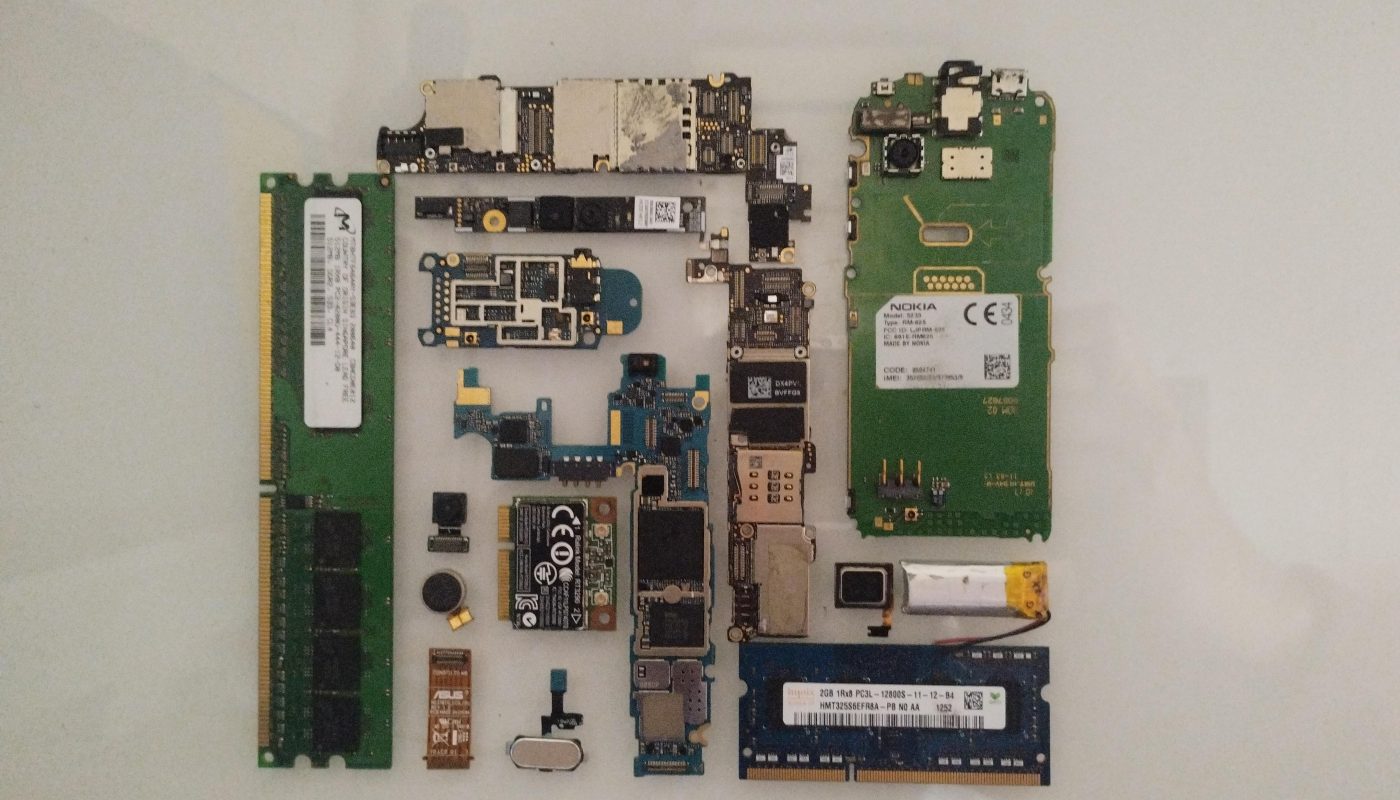
Knolling (derived from the word “knoll”) is the meticulous process of arranging objects at precise 90-degree angles and photographing them from above. The technique was popularized by artist Tom Sachs and later adopted by engineers, designers, and hobbyists to organize and showcase disassembled objects. When applied to electronics, knolling transforms circuit boards, wires, and components into visual blueprints—revealing the intricate architecture of devices like smartphones, laptops, or game consoles.
Why Knoll Electronics? 5 Key Benefits
- Educational Insight: Knolling lays bare the anatomy of electronics, making it easier to understand how parts interact. Students and engineers use knolled images as learning tools to study circuitry or troubleshoot issues.
- Repair & Recycling: iFixit and other repair advocates use knolled teardowns to empower users to fix devices instead of discarding them. Organized layouts highlight screws, connectors, and fragile components.
- Art & Design: The precision of knolled electronics creates hypnotic imagery, blending engineering with minimalistic art. It’s no wonder tech companies like Apple and Google have embraced knolled visuals in marketing.
- Inventory Management: For makers or repair shops, knolling acts as a reference guide to track components during reassembly.
- Transparency: Consumers increasingly demand to know what’s inside their devices—knolling answers that call with radical clarity.
How to Knoll Electronics: A Step-by-Step Guide
Want to create your own knolled masterpiece? Follow these steps:
1. Disassemble Safely
- Tools needed: Precision screwdrivers, spudgers, tweezers, and an anti-static mat.
- Caution: Discharge static electricity, unplug batteries, and document each step (photos help!).
2. Clean and Organize
- Remove dust and thermal paste. Group similar parts (screws, capacitors, ICs) for consistency.
3. Arrange with Precision
- Lay components flat on a neutral background (white or black works best).
- Align edges parallel or perpendicular, keeping spacing uniform.
4. Photograph from Above
- Use natural light or soft artificial lighting to minimize shadows.
- Shoot straight down with a DSLR or high-quality smartphone camera.
Real-World Applications of Knolled Electronics
- Tech Journalism: Sites like iFixit and The Verge use knolled teardowns to review device build quality and repairability.
- Product Design: Engineers knoll prototypes to optimize layouts and reduce manufacturing complexity.
- Art Installations: Artists like Todd McLellan and Greg McClellan elevate e-waste into thought-provoking displays.
- Social Media: Instagram and Pinterest are flooded with viral knolled tech photos—#Knolling has over 500K+ posts!
The Future of Knolled Electronics
As sustainability becomes a priority, knolling gains new relevance. Schools integrate it into STEAM programs, while startups use it to design modular electronics. Even AI is getting involved: machine learning tools can now “auto-knoll” disassembled parts in digital workflows.
FAQs About Knolled Electronics
Q: Do I need professional tools to start knolling?
A: No! Beginner-friendly kits (like iFixit’s Pro Tech Toolkit) make knolling accessible.
Q: Can I knoll old or broken devices?
A: Absolutely—knolling e-waste is a creative way to repurpose or recycle components.
Q: What’s the best device to knoll for beginners?
A: Start with simple gadgets like a computer mouse or USB charger before tackling smartphones.
Conclusion: The Beauty of Seeing Inside
Knolled electronics do more than satisfy curiosity—they bridge the gap between art and engineering, democratize repair, and celebrate the hidden elegance of technology. By organizing chaos into order, we gain a deeper appreciation for the devices that power our lives.
Ready to explore? Grab a screwdriver, disassemble an old device, and share your knolled creation with the world!
Keywords for SEO: Knolled electronics, electronics teardown, circuit board knolling, disassembled electronics, tech repair guide, iFixit knolling, electronic components, minimalist tech art, gadget photography, DIY electronics.
By incorporating these keywords naturally into headers and content, this article is optimized to rank for tech-savvy audiences seeking visual and technical insights into electronics.