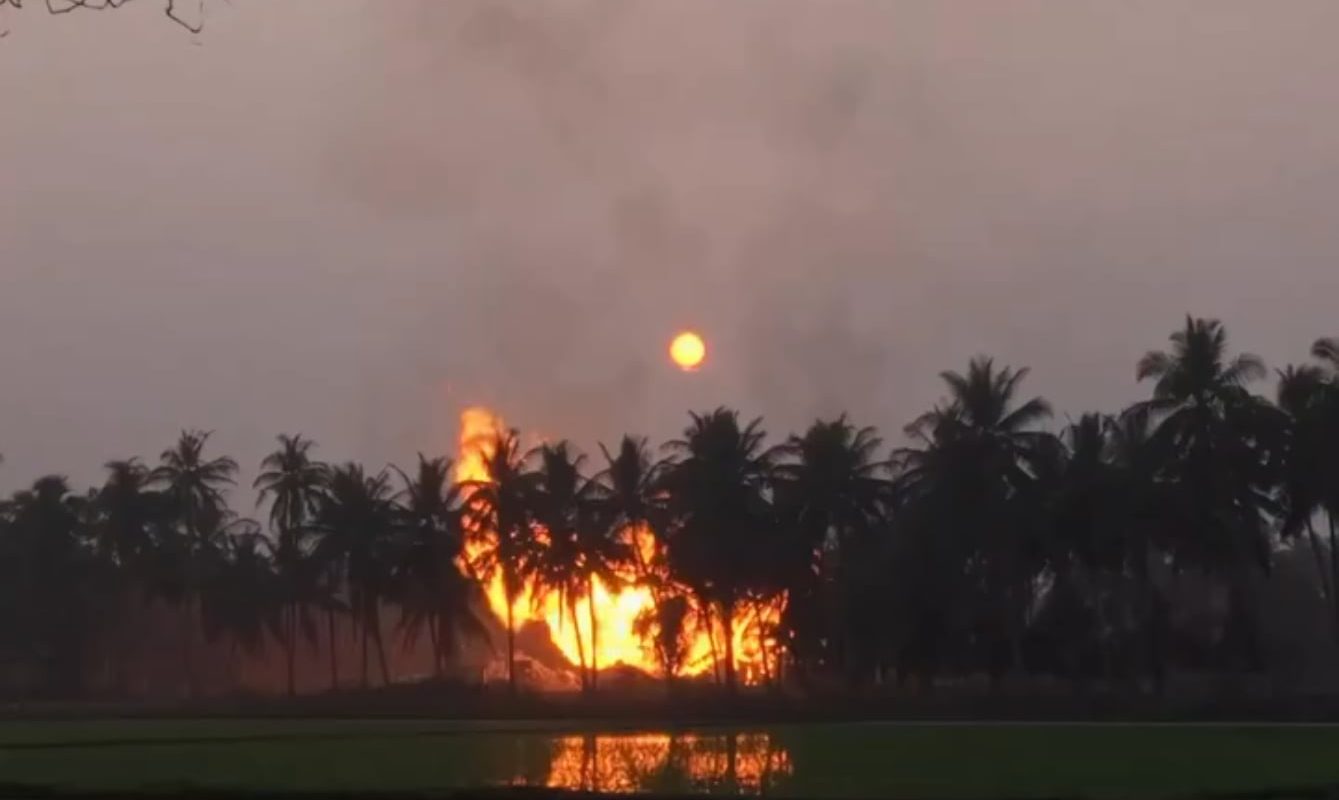
Massive gas leak in Andhra Pradesh, India.
Meta Title: Massive Gas Leak in Andhra Pradesh: Causes, Impact & Lessons Learned
Meta Description: Explore the 2020 massive gas leak in Andhra Pradesh, India—uncovering causes, casualties, environmental impact, and key safety lessons from the LG Polymers disaster.
Massive Gas Leak in Andhra Pradesh, India: Tragedy, Response, and Key Takeaways
In the early hours of May 7, 2020, residents of Visakhapatnam, Andhra Pradesh, woke up to one of India’s worst industrial disasters in recent history—a massive gas leak from the LG Polymers chemical plant. The incident claimed lives, hospitalized hundreds, and raised urgent questions about industrial safety regulations. This article dives into the timeline, causes, aftermath, and long-term lessons of this catastrophic event.
What Happened? Timeline of the Gas Leak Disaster
At approximately 2:30 AM, styrene gas—a toxic chemical used to make plastics—began leaking from LG Polymers’ facility in the Gopalapatnam neighborhood. The colorless gas quickly engulfed nearby villages, including RR Venkatapuram and Naiduthota, while residents slept. Key details:
- Chemical Involved: Styrene monomer (a carcinogen causing dizziness, nausea, and respiratory failure).
- Affected Area: 3-km radius, impacting over 5,000 people.
- Immediate Response: Locals fled in panic; emergency teams evacuated victims wearing improvised masks.
Causes of the Andhra Pradesh Gas Leak
Investigations revealed critical lapses:
- Storage Failure: Styrene tanks lacked temperature controls during a COVID-19 lockdown shutdown, causing polymerization and pressure buildup.
- Safety Negligence: No automated leak detection systems or alarms.
- Proximity to Homes: The plant operated dangerously close to residential zones since 1961, violating modern safety norms.
Human and Environmental Toll
- Deaths: 12 fatalities, including two children and an elderly woman exposed to high gas concentrations.
- Hospitalizations: 500+ treated for burns, breathing difficulties, and neurological damage.
- Environmental Damage: Stored styrene contaminated soil and water, harming agriculture and livestock.
- Long-Term Health Risks: Survivors reported chronic lung issues and vision problems months later.
Government Response and Accountability
- Emergency Measures: NDRF teams deployed; 800+ evacuated. Free medical camps and compensation of ₹1 crore per victim’s family.
- Legal Actions: LG Polymers managers arrested for negligence under IPC Section 304 (culpable homicide).
- NGT Intervention: The National Green Tribunal fined LG Polymers ₹50 crore for environmental damage and ordered a health registry for affected communities.
- Policy Reforms: Andhra Pradesh mandated safety audits for all hazardous industries post-disaster.
Lessons from the Visakhapatnam Gas Leak
The tragedy exposed systemic failures and spurred critical reforms:
- Emergency Preparedness: Factories must install real-time gas monitoring and community alert systems.
- Land Use Zoning: Hazardous industries must relocate away from residential areas.
- Transparency: Regular safety drills and public disclosure of risk assessments are non-negotiable.
- Compensation Clarity: India’s Bhopal Gas Tragedy Act needs modernization to expedite victim support.
FAQs About the Andhra Pradesh Gas Leak
Q1: What gas leaked in Visakhapatnam?
Styrene monomer, a flammable liquid chemical that vaporizes at room temperature.
Q2: Was LG Polymers held responsible?
Yes—the plant was temporarily shut, fined ₹50 crore, and faced criminal charges.
Q3: How can such leaks be prevented?
Robust storage protocols, automated sensors, and stricter enforcement of industrial zoning laws.
Q4: Did COVID-19 worsen the impact?
Yes—lockdown delays in maintenance contributed to the accident.
The Road Ahead: Industrial Safety in India
The Andhra Pradesh gas leak remains a grim reminder that economic growth must not outpace safety standards. As India pushes rapid industrialization, reinforcing oversight, empowering local communities, and adopting global best practices (e.g., EU’s Seveso Directive) are vital to prevent future tragedies.
Keywords for SEO:
Andhra Pradesh gas leak, LG Polymers disaster, styrene gas leak, Vizag gas leak, industrial accident India, chemical leak 2020, Visakhapatnam tragedy, NGT fine LG Polymers.
By understanding this disaster, we honor its victims and advocate for a safer, more accountable industrial future. Stay informed—share this article to spread awareness!
*Sources*: National Green Tribunal reports, Andhra Pradesh Government Bulletins, Indian Express archives.